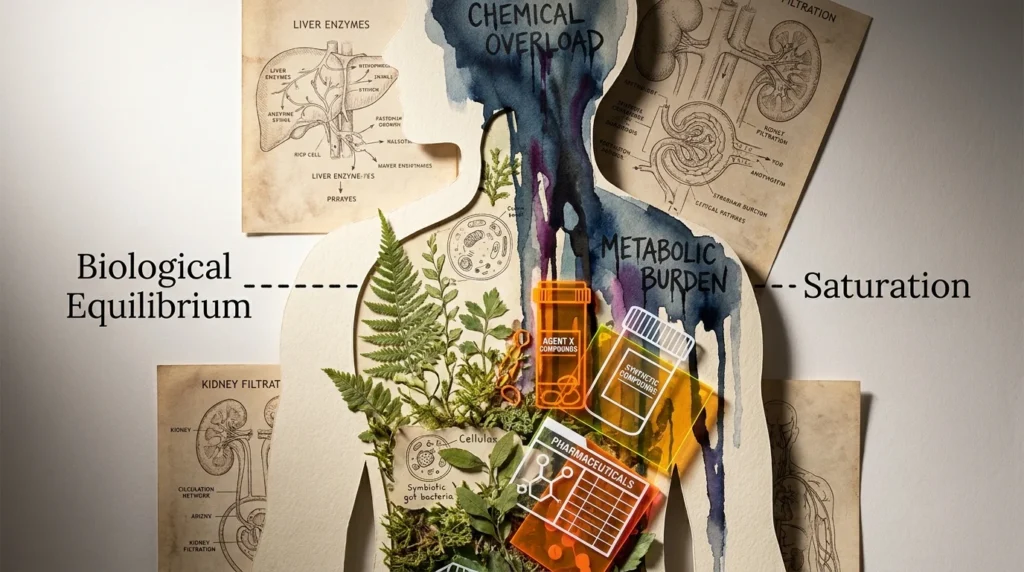
Taking too many prescriptions fundamentally disrupts your body’s biological equilibrium and delicate cellular ecosystems. You can protect your long-term health by learning the physiological signals of over-medication and bringing these exact observations to your next clinical visit. When you introduce five or more synthetic compounds into your bloodstream, your liver enzymes and kidney filtration networks face an immense metabolic burden. This chemical overload often triggers cascading biological effects that mimic natural aging or spontaneously generate entirely new diseases. By understanding the intricate biology of pharmacological interactions, you can recognize when your internal systems suffer from saturation and partner directly with your physician to prune unnecessary chemical interventions safely and efficiently.

The Internal Ecosystem Under Pressure
Your body operates as a sophisticated, self-regulating ecosystem. Trillions of cells communicate through precise chemical messengers, while symbiotic bacteria in your gut synthesize vital nutrients and manage localized immunity. When you introduce pharmaceutical agents into this environment, you alter the foundational biochemistry of these systems. Regarding the biological challenge of over medication seniors often experience, the cellular environment faces a highly specialized form of metabolic stress. Physicians prescribe medications to resolve specific biochemical disruptions; however, stacking multiple drugs forces your physiological infrastructure to process, distribute, and eliminate competing chemical compounds simultaneously.
The human liver utilizes a specific family of enzymes, primarily the cytochrome P450 network, to metabolize external toxins and therapeutic drugs. When you swallow a handful of pills, these enzymes must break down each compound at a highly specific rate. If two drugs require the exact same enzyme for processing, a biological traffic jam occurs. One drug remains in your bloodstream far longer than intended, amplifying its physiological effects to a potentially toxic level. Your kidneys, responsible for filtering waste products into your urine, also experience profound strain when forced to clear excessive pharmaceutical debris. Over time, this constant filtration demand accelerates cellular wear and tear within your delicate renal tubules.

8 Signs Your Cellular Environment is Overwhelmed

Unexplained Cognitive Fog and Memory Disruption
Neurotransmitters guide every thought, memory, and physical movement you execute. Anticholinergic drugs, commonly prescribed for sleep, allergies, or overactive bladders, directly block acetylcholine, a crucial chemical messenger required for learning and cognition. When multiple prescriptions carry anticholinergic properties, the cumulative burden deeply suppresses your neurological function. You might experience this as sudden memory lapses, severe confusion, or difficulty tracking ordinary conversations. Rather than representing a natural sign of neurological aging, this cognitive dampening frequently signals a highly saturated neurochemical environment crying out for a thorough medication review 60+ demographic patients absolutely require.

Chronic Fatigue and Mitochondrial Depression
Your mitochondria function as microscopic power plants inside your cells, generating the adenosine triphosphate needed for daily energy. Certain classes of medications, particularly specific statins and beta-blockers, interfere directly with mitochondrial respiration or deplete essential cellular coenzymes like CoQ10. If you wake up exhausted despite sleeping deeply or find your stamina completely vanishing by midday, you must consider your pharmaceutical load. This type of deep-tissue fatigue occurs because your cells literally lack the chemical currency required to sustain basic metabolic processes.
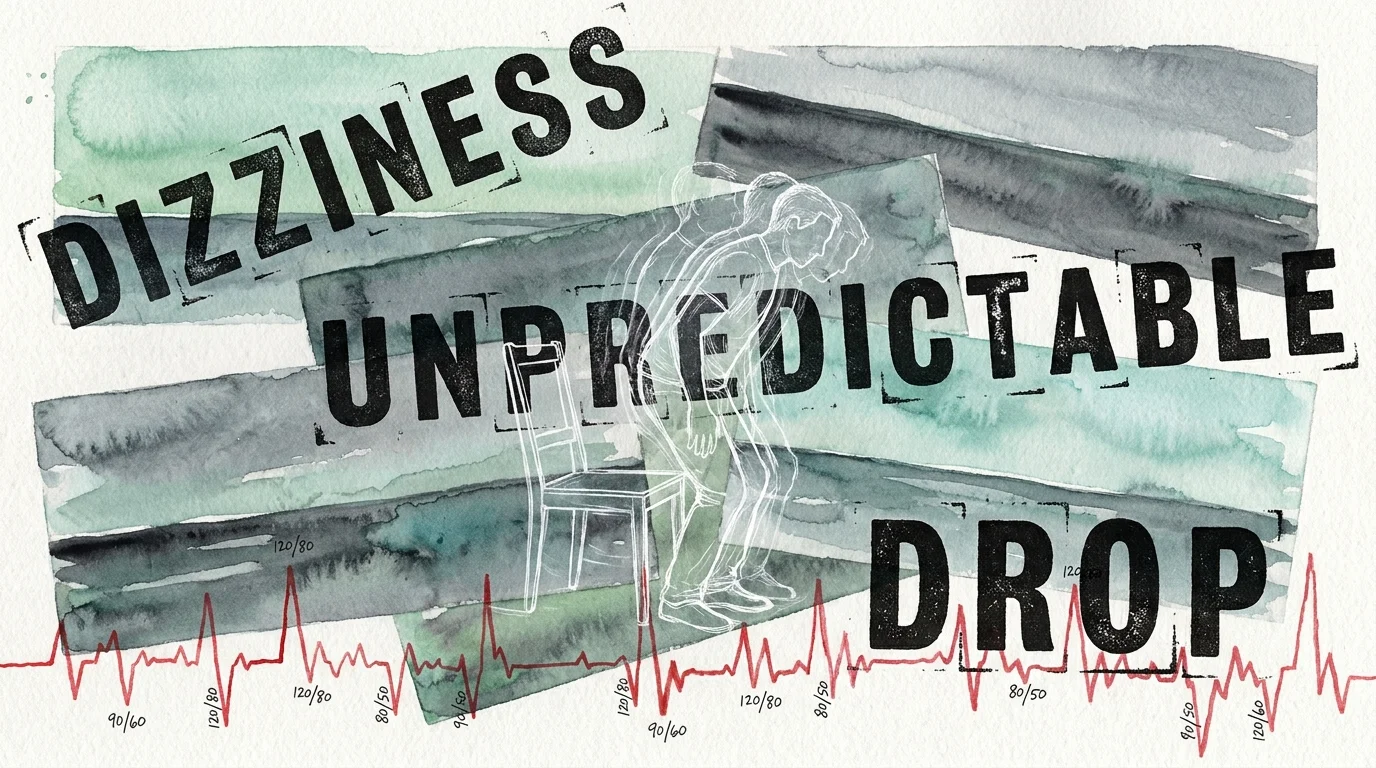
Unpredictable Dizziness and Orthostatic Hypotension
Blood pressure regulation requires split-second communication between your heart, blood vessels, and brain stem. When you stand up, your cardiovascular system immediately constricts blood vessels to pump blood upward against gravity. Antihypertensives, diuretics, and certain antidepressants violently disrupt these autonomic reflexes. If you experience the room spinning or feel dangerously lightheaded when standing, your medications are likely paralyzing your natural vascular responsiveness. This mechanical disruption heavily drives fall statistics among older populations, morphing a life-saving blood pressure medication into a severe physical hazard.
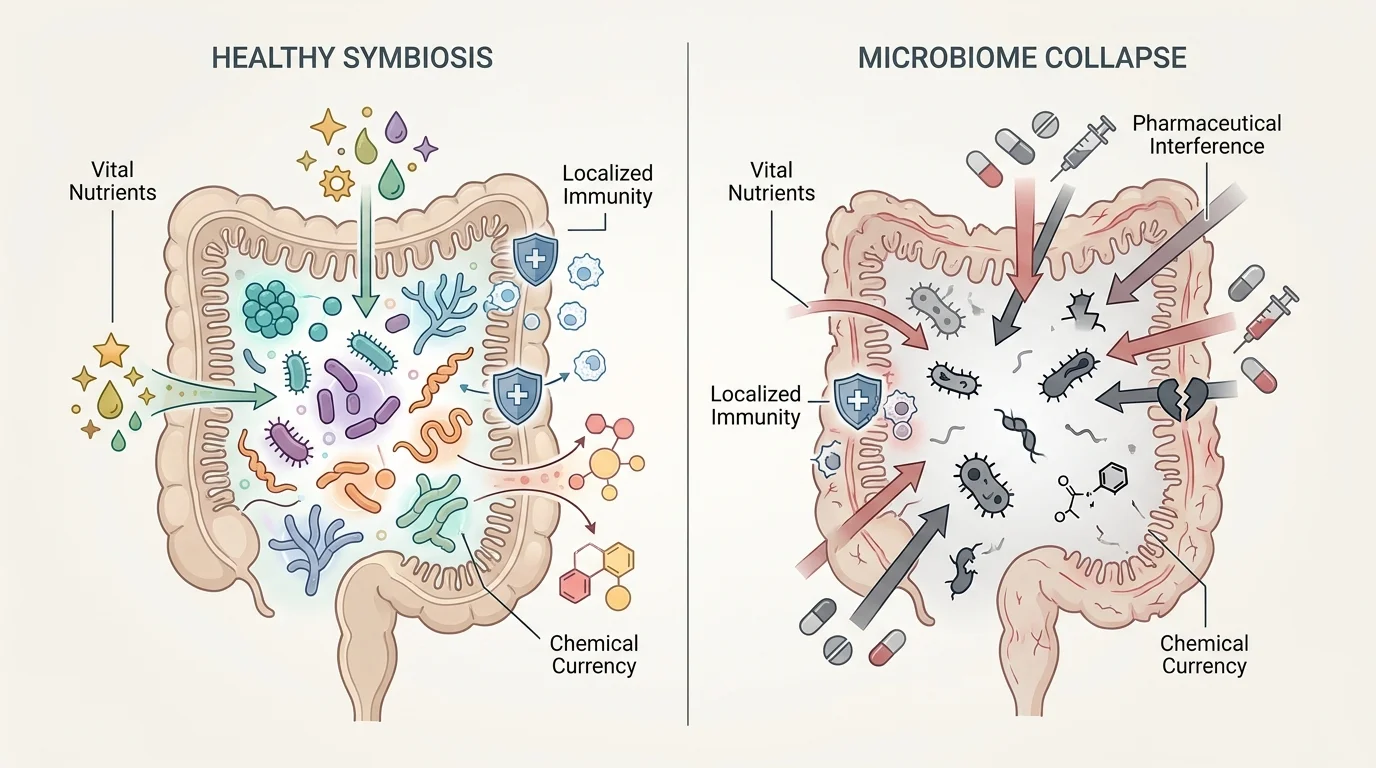
Severe Gastrointestinal Distress and Microbiome Collapse
Your digestive tract houses a vast, complex bacterial ecosystem that manages digestion, synthesizes vitamins, and regulates systemic inflammation. Antibiotics famously decimate these populations, but proton pump inhibitors, nonsteroidal anti-inflammatory drugs, and synthetic hormones also aggressively alter the pH and microbial balance of your gut. Chronic nausea, sudden food intolerances, or unpredictable bowel habits often indicate that your intestinal flora can no longer sustain a healthy biological baseline. Restoring this delicate balance requires actively scaling back the chemical compounds poisoning your microscopic allies.

Sudden Muscle Weakness and Cramping
Electrolytes act as the electrical conduction system for your vast muscular network. Diuretics, prescribed to flush excess fluid from your tissues, frequently drag essential potassium, magnesium, and calcium out through your urine. Without these critical ions, your muscle fibers systematically misfire, leading to painful cramps, involuntary twitches, or generalized weakness. If opening a jar or climbing a single flight of stairs suddenly feels like a monumental physical challenge, your daily medications might be starving your musculoskeletal system of necessary electrical transmitters.
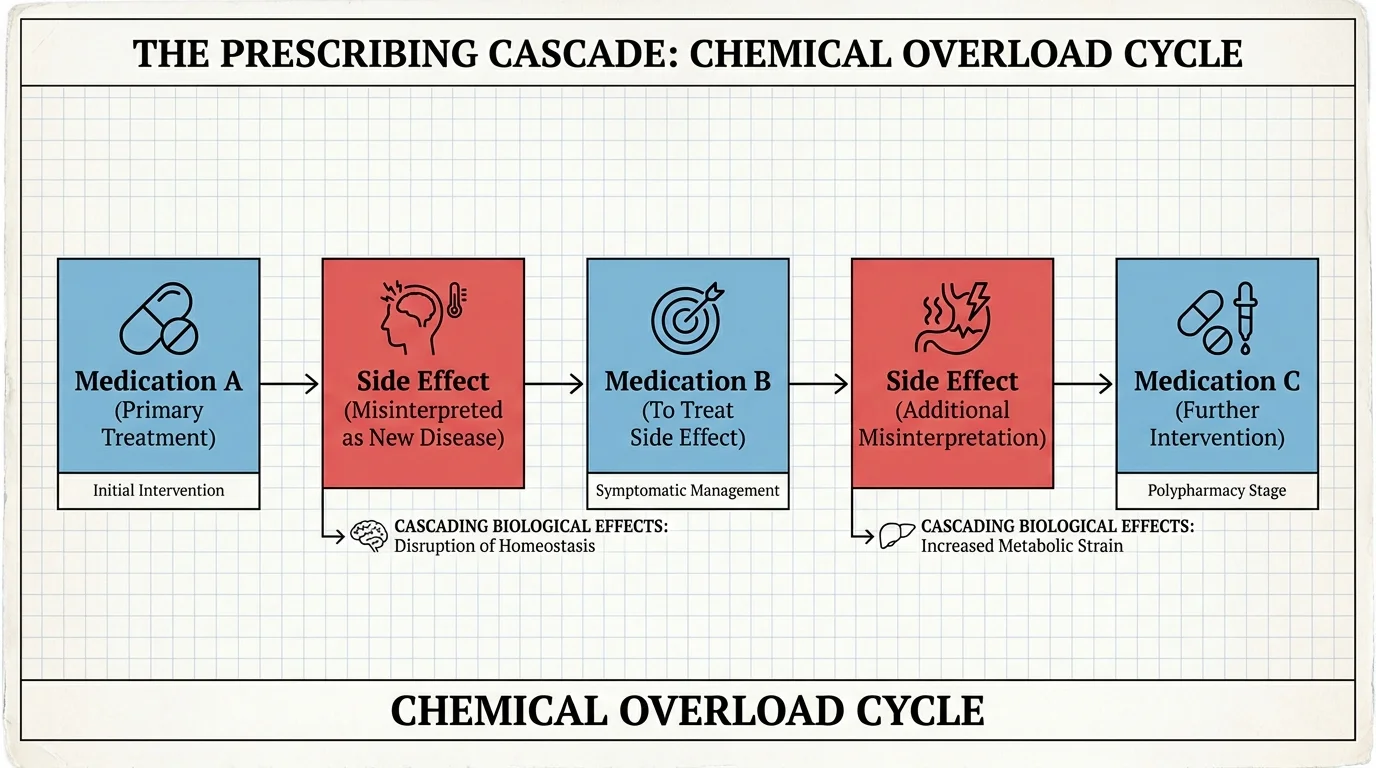
The Appearance of the Prescribing Cascade
Biologists observe cascading failures in collapsing environmental ecosystems, and the exact same principle applies to human physiology. A prescribing cascade happens when a doctor misinterprets a drug side effect as a newly developed medical condition, subsequently prescribing yet another drug to treat the symptom. For example, an arthritis medication elevates your blood pressure, leading to a new hypertension prescription, which then causes swollen ankles, directly triggering a prescription for a diuretic. Recognizing this biological chain reaction remains vital for halting the relentless expansion of your daily pill organizer.

Complete Loss of Appetite and Weight Fluctuations
Metabolizing heavy pharmaceutical loads requires substantial cellular energy, yet many drugs simultaneously suppress the olfactory and gustatory receptors that make food appealing. Additionally, medications that irritate the stomach lining send continuous distress signals to your brain, instinctively suppressing your desire to eat. Unintentional weight loss deprives your body of the raw proteins and fats necessary to repair cellular damage. If you suddenly lose your drive to consume nutritious meals, your central nervous system might be reacting directly to internal chemical toxicity.
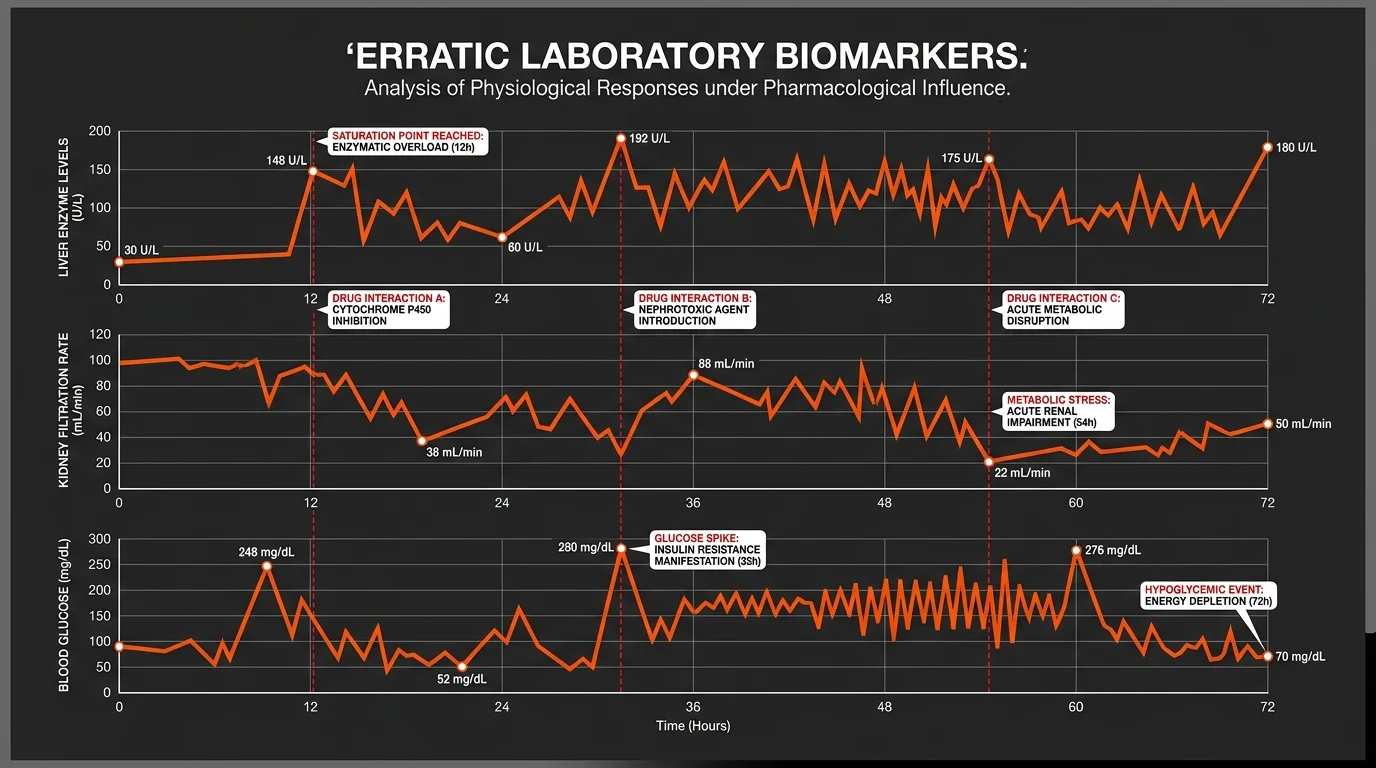
Erratically Changing Laboratory Biomarkers
Routine blood panels provide a direct window into your physiological efficiency. Sudden spikes in liver enzymes, plummeting glomerular filtration rates, or chaotic fluctuations in blood glucose frequently highlight major organs buckling under chemical stress. Your internal filtration systems simply cannot maintain homeostasis when bombarded by conflicting synthetic directives. When your lab results swing wildly between appointments, the most rational scientific explanation often points directly toward unpredictable pharmacological interactions rather than spontaneous organ failure.
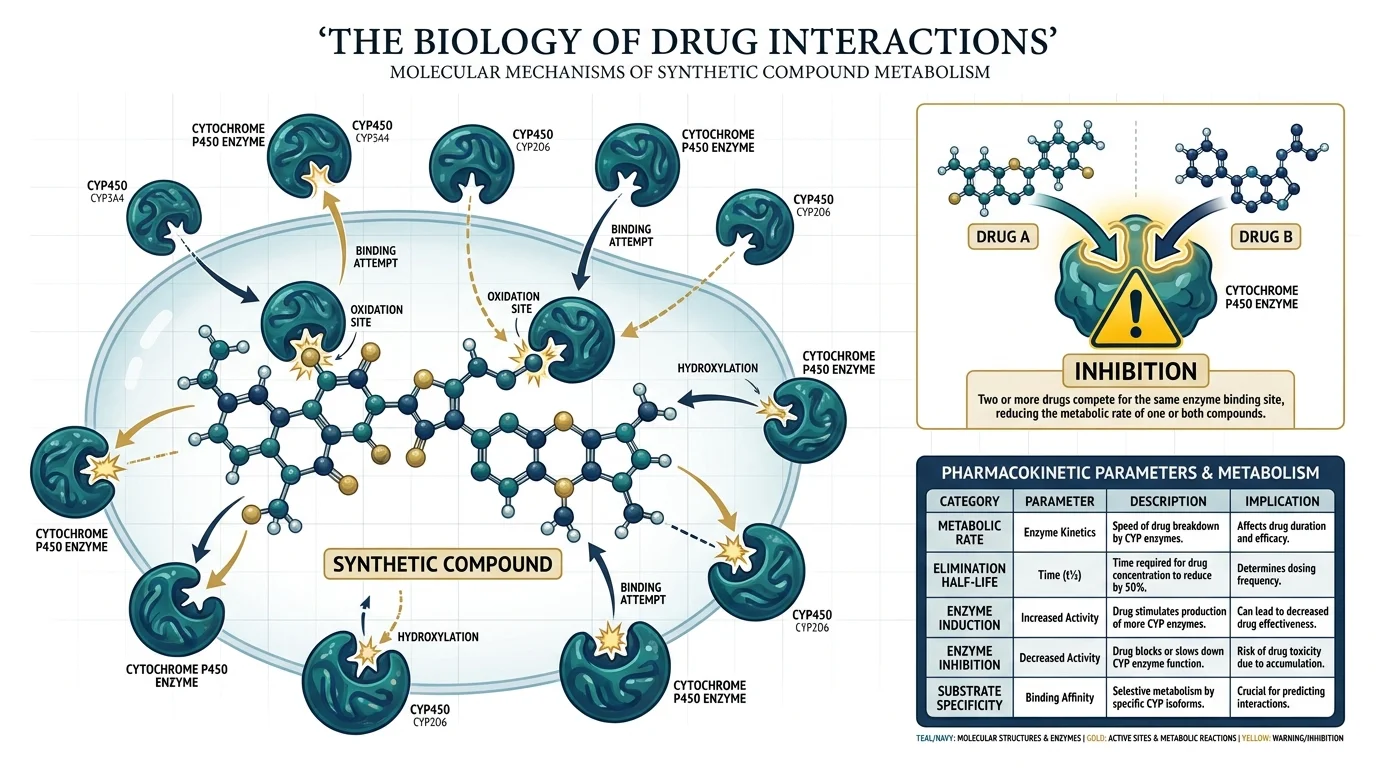
The Biology of Drug Interactions and Recent Data
Understanding polypharmacy requires looking directly at the clinical data surrounding human metabolism. Researchers studying pharmacokinetics repeatedly demonstrate that adding a fifth or sixth daily medication exponentially increases the statistical probability of an adverse biological event. You can explore complex interaction mechanisms detailed in publications spanning thousands of patient profiles. When scientists map these internal interactions, they discover that competitive inhibition at the cytochrome P450 enzyme sites fundamentally alters the natural half-lives of essential drugs.
To review these exact enzymatic bottlenecks, you can read comprehensive metabolic analyses in peer-reviewed platforms. For example, recent longitudinal studies on aging populations highlight how cellular processing slows down naturally over decades. An eighty-year-old liver clears medications much differently than a forty-year-old liver. You can find detailed biochemical breakdowns of these metabolic shifts within the clinical archives of The Proceedings of the National Academy of Sciences.
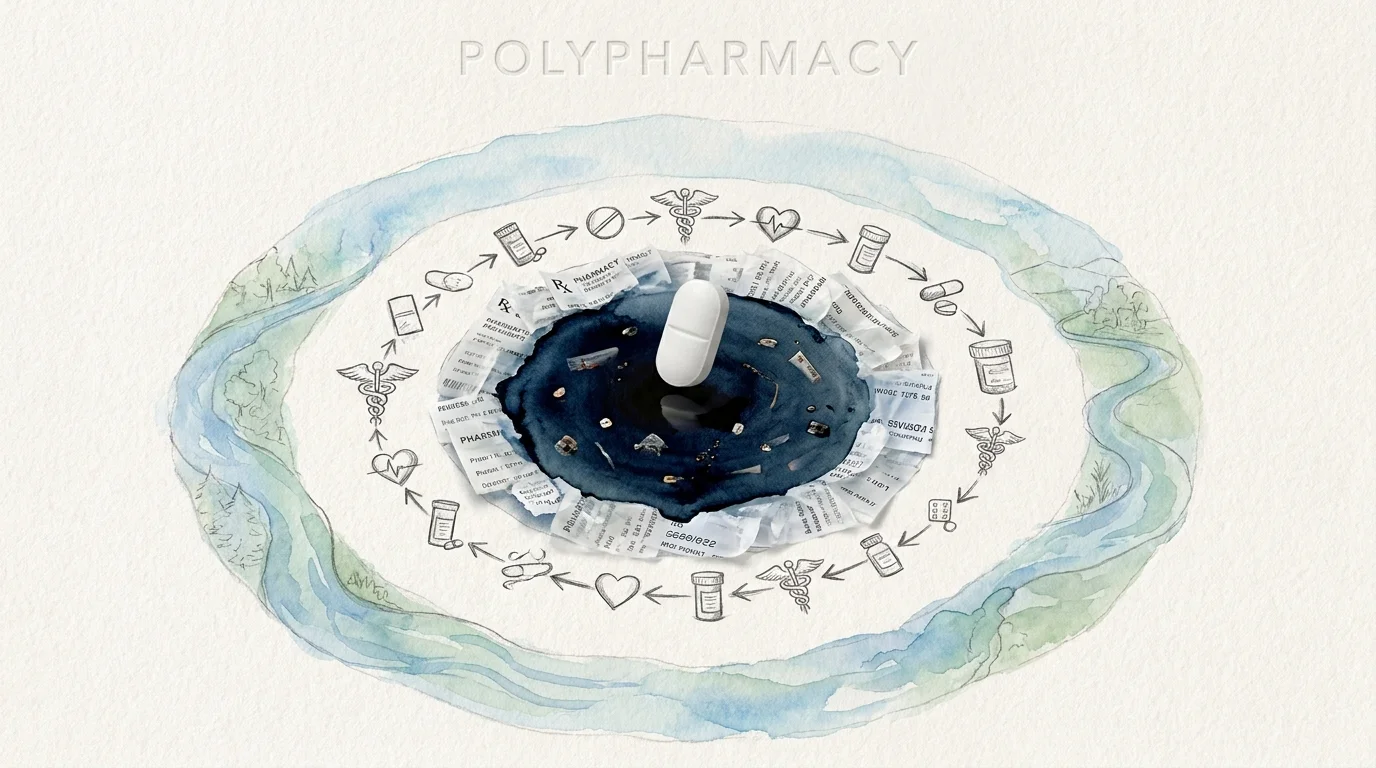
How Polypharmacy Ripples Through Medicine and the Environment
The impact of extreme medication protocols extends far beyond the physical boundaries of your own epidermis. As your body processes these synthetic compounds, your kidneys excrete the metabolic byproducts into municipal wastewater systems. Standard water treatment facilities rarely possess the advanced technology required to filter out microscopic pharmaceutical residues. Consequently, trace amounts of antidepressants, synthetic hormones, and cardiac medications flow continuously into surrounding rivers and fragile coastal ecosystems.
Ecologists actively document how these ambient pharmacological pollutants alter the reproductive cycles of aquatic life and disrupt the feeding behaviors of native bird populations. Furthermore, the persistent environmental presence of sub-lethal antibiotics radically accelerates the evolutionary adaptation of resistant bacterial strains. Organizations focused on water conservation deeply emphasize that minimizing unnecessary human prescriptions directly protects marine biodiversity. You can track this ecological preservation data through resources provided by The Nature Conservancy. By keeping your personal pharmaceutical footprint as small as clinically possible, you actively participate in broader environmental stewardship.

Bioethics and the Aging Phenotype
The rapid expansion of prescription regimens brings profound bioethical dilemmas to the forefront of modern medicine. Historically, clinical drug trials entirely excluded individuals over the age of sixty-five. Pharmaceutical companies designed these studies around young, healthy physiological profiles to eliminate variable data, completely ignoring the complex reality of the aging phenotype. Consequently, modern physicians must extrapolate dosage guidelines for older adults based on metabolic data gathered from entirely different biological demographics.
When studying the impact of polypharmacy elderly individuals face, ethicists argue that medical frameworks must respect the holistic reality of aging rather than forcefully medicating every shifting biomarker. Indigenous knowledge keepers and holistic researchers similarly advocate for viewing human longevity through a lens of natural biological adaptation rather than viewing aging solely as a pathology requiring aggressive chemical suppression. You can review extensive discussions regarding clinical trial ethics and demographic representation via the World Health Organization.

Crucial Questions for Your Prescribing Physician
Transitioning away from a heavy prescription load requires precise, biologically sound communication with your healthcare provider. You must explicitly set aside time to ask doctor prescriptions questions during a dedicated clinical consultation. Begin the conversation by asking, Which of my current symptoms could be a downstream biological side effect of my existing medications? This specifically forces the physician to evaluate your profile for prescribing cascades rather than immediately diagnosing a brand-new medical condition.
Next, inquire about your metabolic load by asking, Are any of these compounds competing for the exact same metabolic pathways in my liver or kidneys? This specific terminology demonstrates your understanding of cellular biology and firmly prioritizes your systemic organ health. Finally, request a concrete timeline by asking, What is the specific physiological goal of each medication, and can we implement a safe tapering protocol for those that no longer serve a critical function? Demanding this level of scientific precision ensures your internal ecosystem receives the exact support it needs without sustaining unnecessary chemical damage.
Frequently Asked Questions
How do researchers map metabolic drug interactions?
Pharmacologists utilize mass spectrometry and advanced computational modeling to track how rapidly human enzymes break down specific molecular structures. By observing liver cell cultures exposed to multiple drugs simultaneously, researchers pinpoint exactly which chemical bonds block crucial enzyme activity. You can explore the foundational principles of this mapping methodology through the biological databases managed by Cell Press.
What are the biological risks of sudden deprescribing?
Abruptly halting certain medications severely shocks your biological equilibrium. Your cellular receptors down-regulate or up-regulate their sensitivity in direct response to chronic drug exposure. Suddenly withdrawing a chemical forces your nervous system to operate without its adapted crutch, triggering dangerous rebound physiological effects like severe hypertension, extreme heart arrhythmias, or profound psychological withdrawal. You must always taper chemical compounds gradually under strict clinical supervision.
Who funds research into polypharmacy and deprescribing?
Independent academic institutions, national health agencies, and geriatric advocacy groups fund the vast majority of deprescribing research. Commercial pharmaceutical entities rarely finance studies explicitly designed to reduce medication usage, highlighting a distinct commercial gap in modern medical research. Government grants actively support scientists exploring how to optimize foundational cellular health through radically reduced chemical intervention.
How will future genetic research change prescription practices?
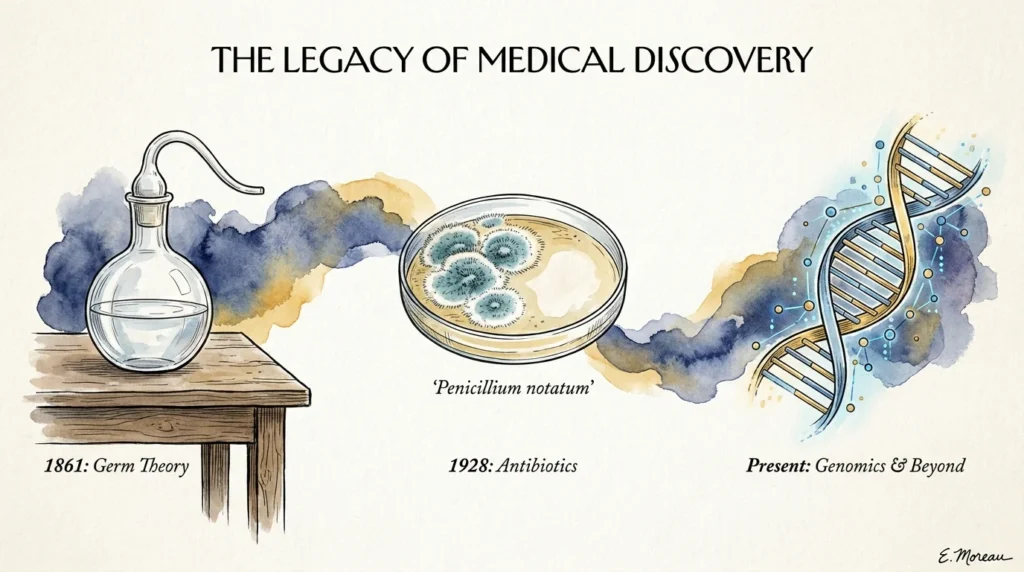
The rapidly growing scientific field of pharmacogenomics analyzes an individual’s unique DNA sequence to precisely map their specific enzyme production capabilities. Once this technology becomes universally accessible, physicians will prescribe highly targeted compounds based directly on your precise genetic metabolic speed. You can read about how this personalized biological approach systematically eliminates toxic accumulation via the National Institutes of Health.
Sustaining Your Biological Balance
Your body possesses an ancient, deeply embedded intelligence capable of profound self-regulation. While synthetic interventions occasionally provide life-saving corrections, your ultimate biological goal involves nurturing an internal environment that requires minimal chemical manipulation. Take the time to keenly observe the complex living systems around you, from the regenerative cycles of a dense forest to the undeniable resilience of your own cardiovascular network. By fiercely advocating for the purity of your cellular environment and actively questioning unnecessary prescriptions, you honor the extraordinary biological mechanics that sustain human life.