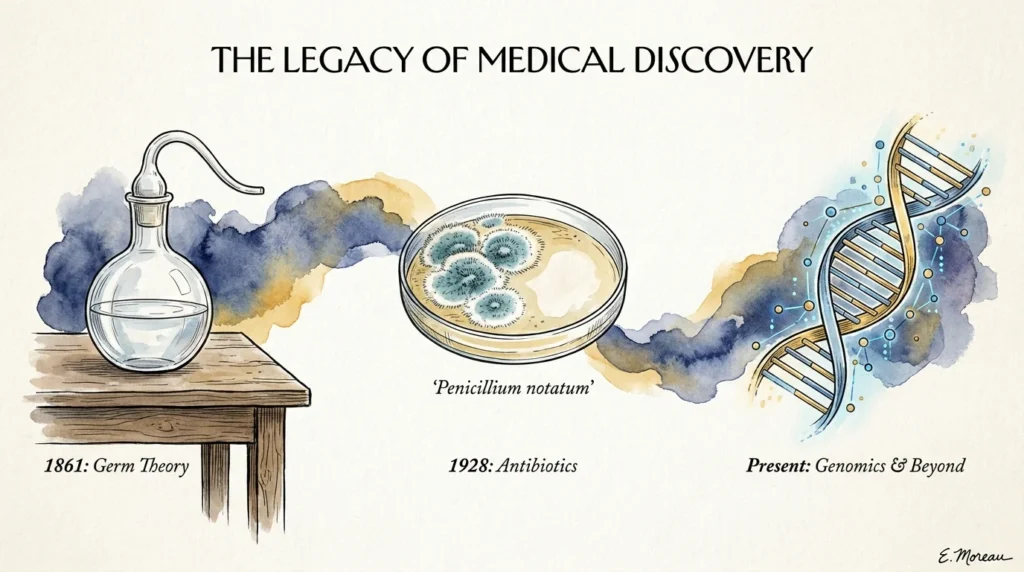
Groundbreaking scientific discoveries are rapidly transforming how you treat disease and manage your health, moving once-theoretical concepts into practical clinical applications. You now have access to genetic editing therapies that cure inherited blood disorders and artificial intelligence models designing targeted drugs in a fraction of the traditional time. This shift from managing symptoms to addressing root causes relies on decades of rigorous research crossing global borders, from labs in Switzerland to clinics in Japan. By understanding these eight medical breakthroughs, you can make more informed decisions about your future healthcare options. Explore the exact mechanisms, global impacts, and upcoming clinical trials defining the next era of human medicine.
The AI Revolution in Protein Folding and Drug Discovery
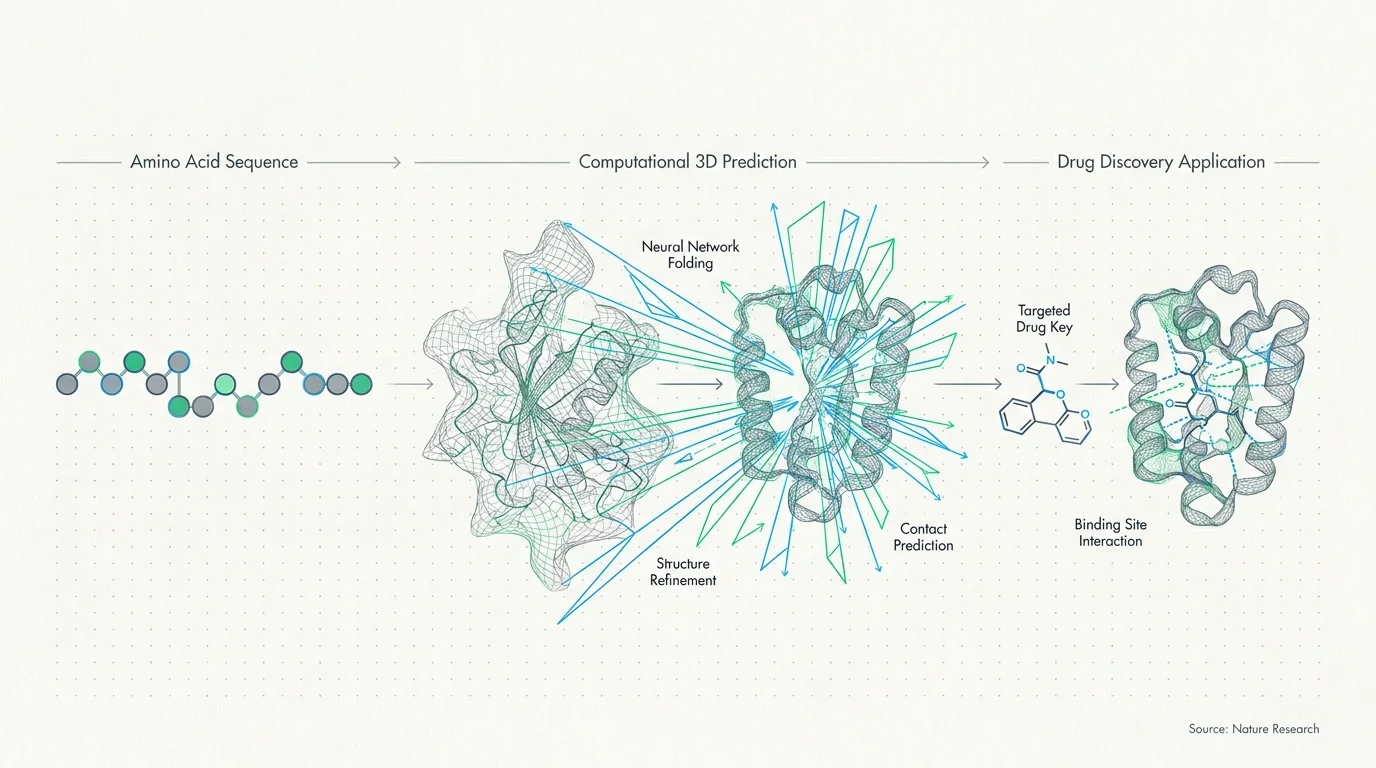
Artificial intelligence dramatically accelerates the pharmaceutical pipeline, fundamentally altering how quickly you can access life-saving treatments. Researchers utilize powerful computational platforms to predict the three-dimensional structures of virtually all known human proteins; this leap eliminates years of expensive laboratory work. By successfully mapping these complex biological locks, scientists rapidly design specific chemical keys to fit them. This capability recently allowed researchers to identify a completely novel class of antibiotics capable of neutralizing multidrug-resistant bacteria, securing a critical victory against global superbugs. You will benefit from AI-designed medications reaching clinical trials much faster, subsequently lowering the overall financial cost of drug development and providing faster relief for previously untreatable conditions. To explore the foundational structural biology data making this possible, review the computational research published by Nature.
In Vivo CRISPR Gene Editing
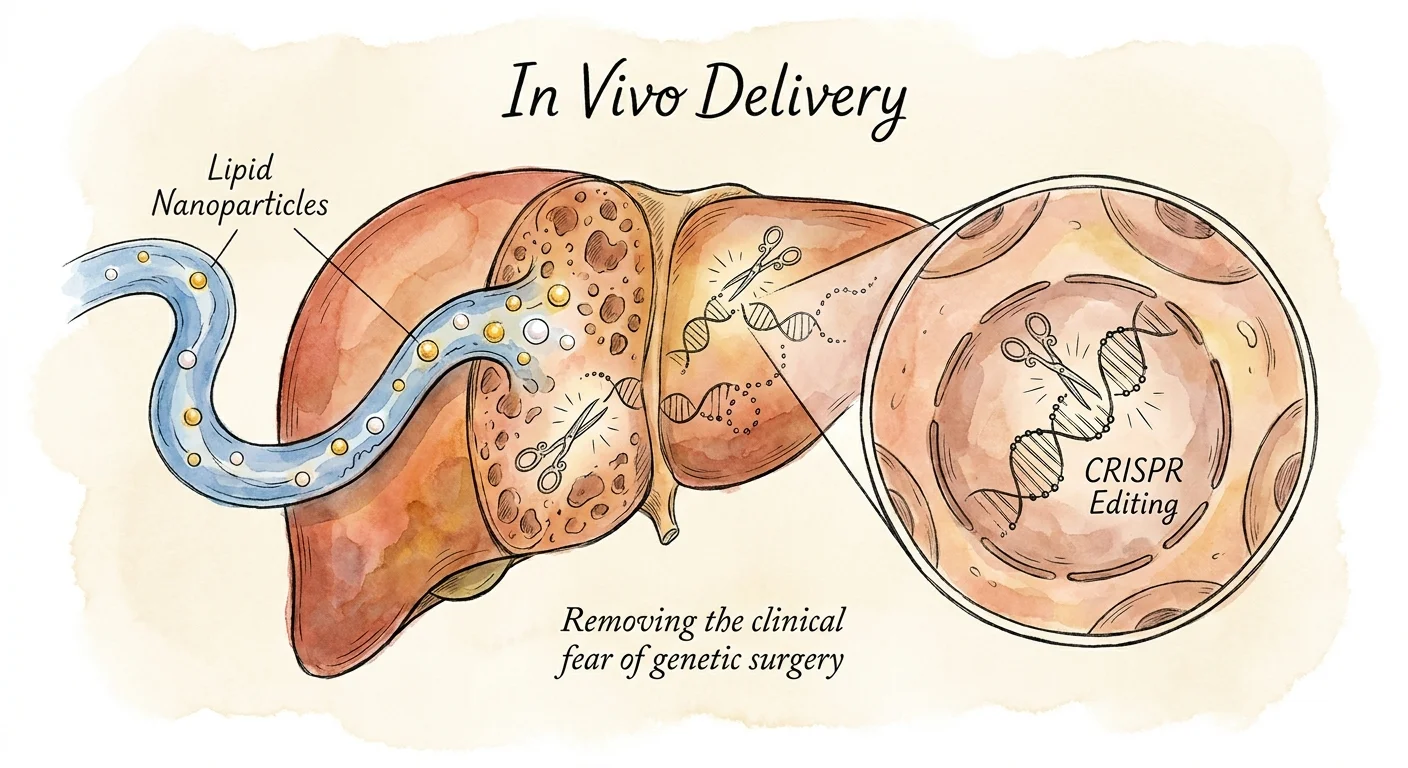
The next frontier of genomic medicine involves modifying your DNA directly inside your body, moving far beyond the limitations of early laboratory editing. Early CRISPR therapies demanded that doctors remove your fragile stem cells, edit them externally in a highly specialized lab, and carefully infuse them back into your bloodstream. Today, advanced bioengineering allows scientists to deliver precise genetic scissors directly to internal organs like your liver via microscopic lipid nanoparticles. This targeted in vivo approach successfully lowers toxic protein levels in patients suffering from rare genetic conditions like transthyretin amyloidosis. By editing the genome directly inside the patient, medical professionals reduce the physical toll of complex cellular procedures. This breakthrough opens the door for widespread genetic treatments; you might one day receive a simple outpatient injection to permanently correct a harmful inherited mutation.
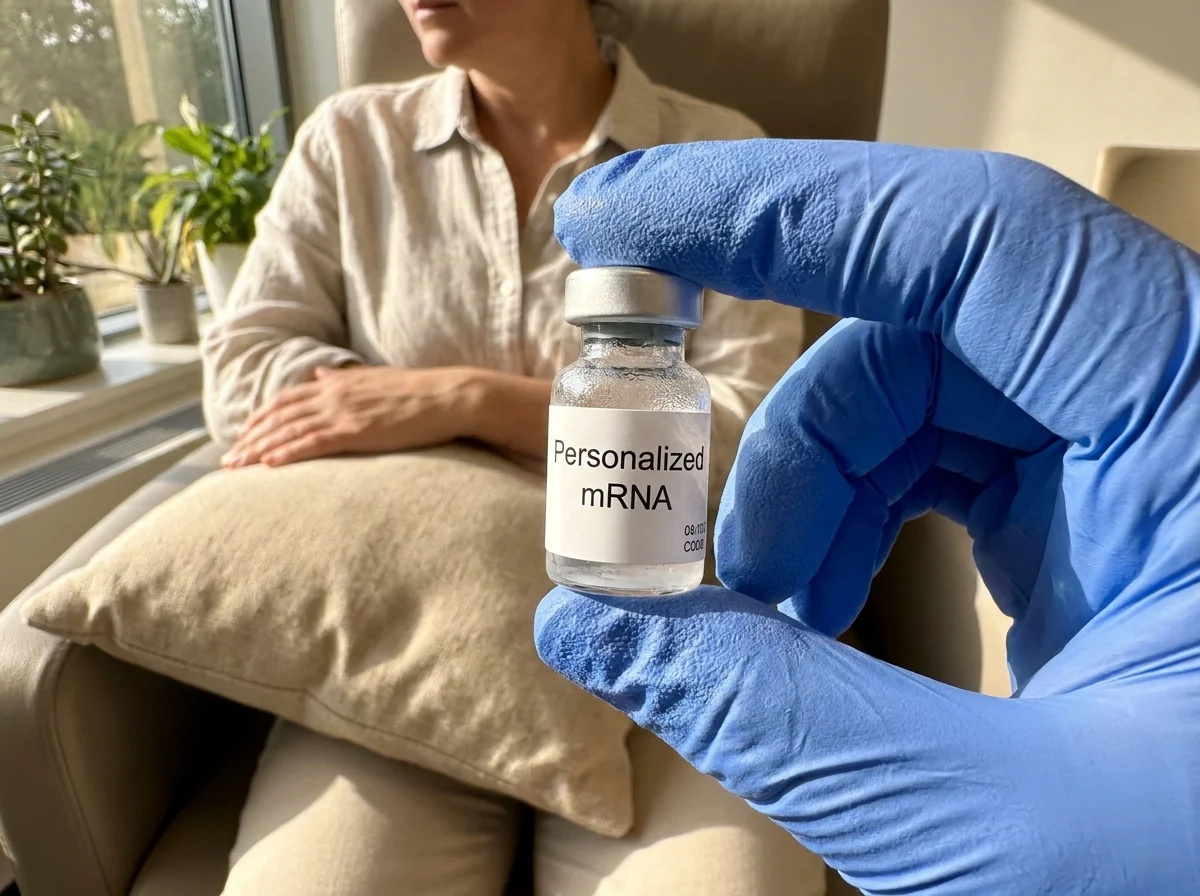
Personalized mRNA Vaccines for Oncology
The messenger RNA technology that brought you the highly effective COVID-19 vaccine is now directly targeting advanced forms of human cancer. Innovative oncologists meticulously sequence the unique genetic mutations of your specific tumor and synthesize a personalized mRNA vaccine tailored to your exact biological makeup. When injected, this custom vaccine instructs your immune system to recognize and destroy cancerous cells while safely leaving healthy tissue entirely unharmed. Comprehensive clinical trials combining these personalized mRNA vaccines with traditional immune checkpoint inhibitors show remarkable success in preventing the deadly recurrence of severe melanoma. Because clinical scientists can manufacture these tailored mRNA sequences rapidly, you receive a custom cancer treatment in weeks rather than months. This rapid turnaround transforms modern oncology from a generic approach into a highly individualized biological defense system.
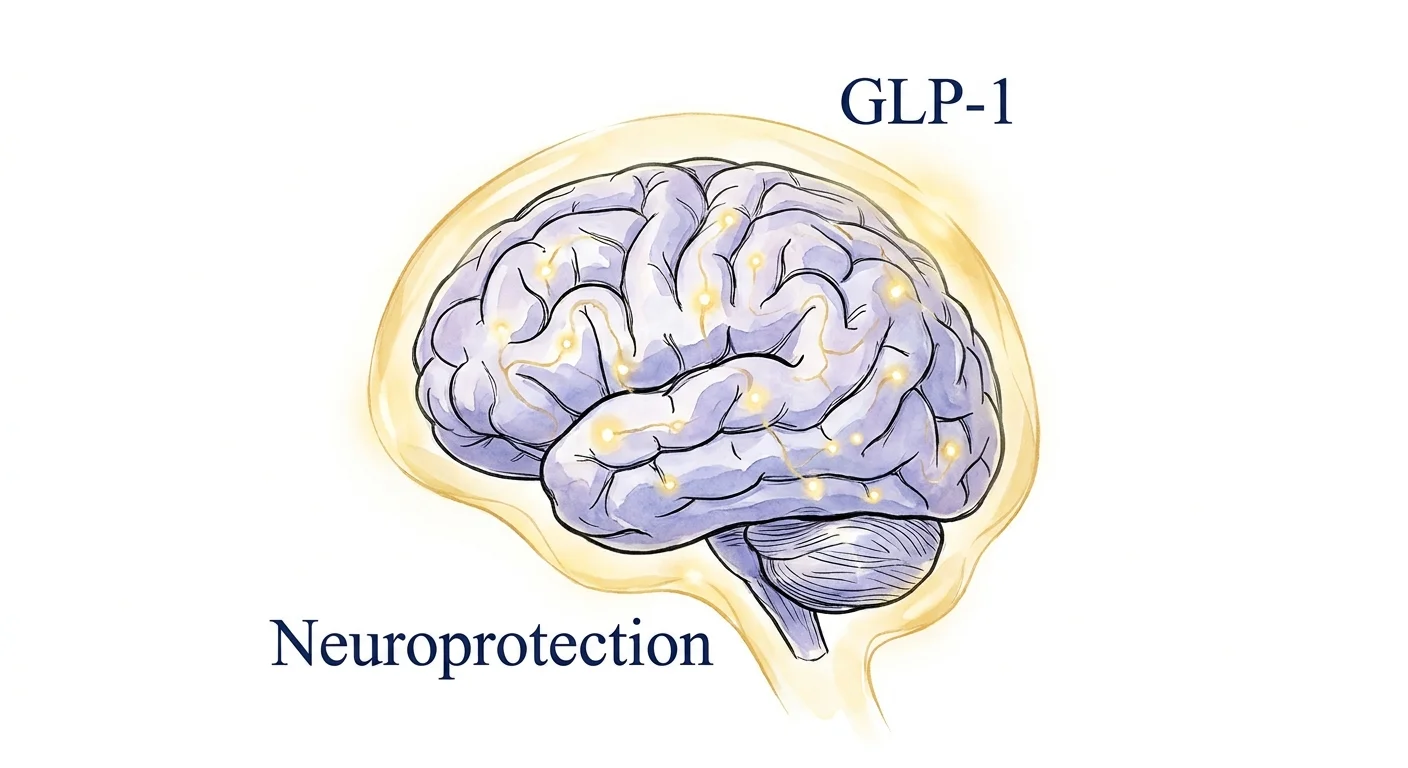
GLP-1 Receptor Agonists for Neuroprotection
Originally formulated to safely manage type 2 diabetes, GLP-1 receptor agonists are revealing unexpected, wide-ranging health benefits. Moving beyond simply regulating your blood sugar levels and significantly reducing excessive appetite, these versatile medications demonstrate powerful cardiovascular and neurological advantages. Global researchers actively track how these injectable compounds reduce systemic inflammation throughout your entire body, directly leading to measurably lower rates of heart attacks and strokes. Even more remarkably, aggressive ongoing clinical trials explore exactly how GLP-1 drugs might shield your fragile brain cells from the progressive damage inherently associated with Parkinson’s and Alzheimer’s diseases. You are actively witnessing a single class of medication effectively bridge the historical gap between metabolic physical health and long-term neuroprotection. As diligent researchers uncover the systemic mechanisms behind these drugs, you may soon see them prescribed as a fundamental daily tool for healthy aging.
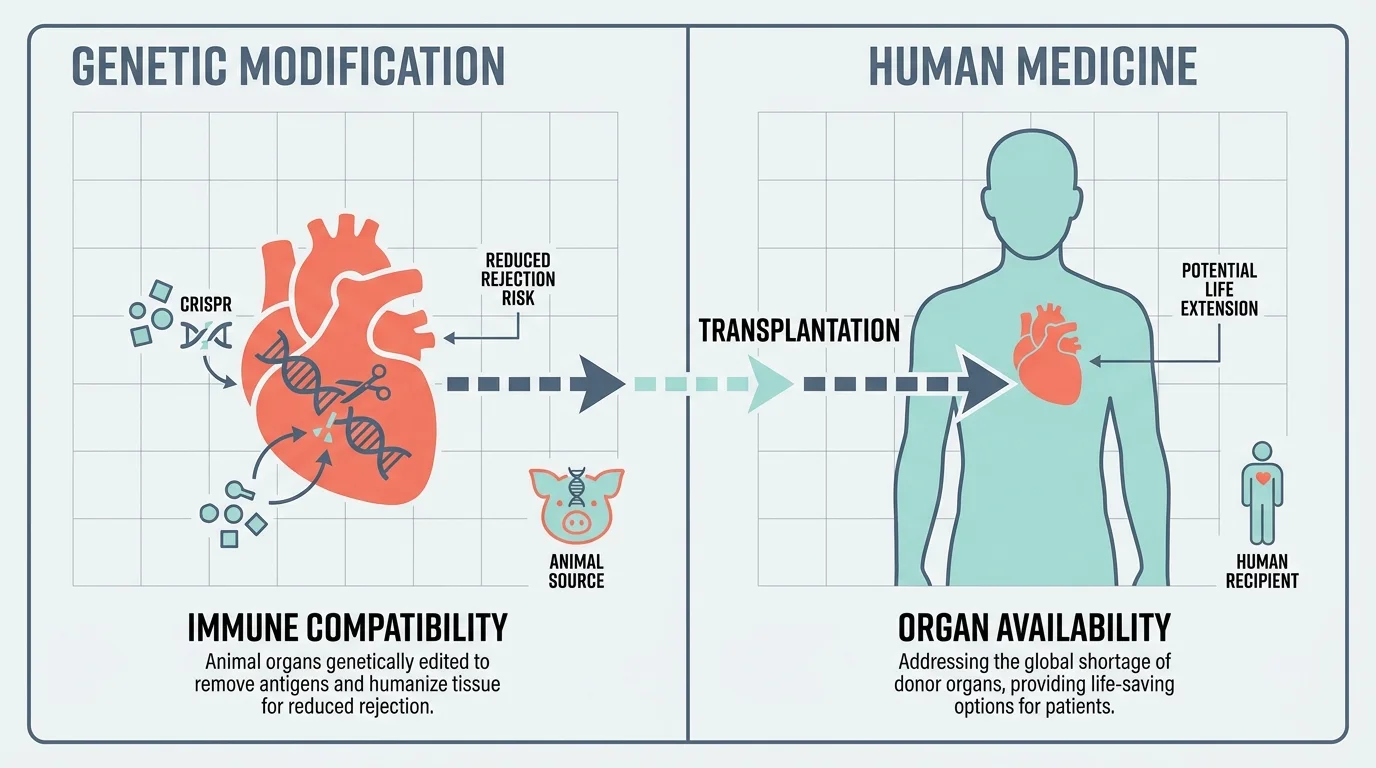
Genetically Modified Xenotransplantation
The severe global shortage of viable human organs cruelly forces thousands of desperate patients to endure years on waiting lists, but genetically modified animal organs finally offer a tangible scientific solution. Expert scientists utilize advanced cloning and sophisticated gene-editing techniques to permanently remove specific carbohydrates from pig tissues that normally trigger immediate immune rejection in humans. Recent groundbreaking surgical procedures conclusively demonstrate that these heavily modified kidneys and hearts can successfully sustain life in human recipients without immediate catastrophic organ failure. You could eventually interact with a modernized healthcare system where available organ supply perfectly matches critical patient need, entirely eliminating the terrifying anxiety of transplant waiting lists. While clinical researchers still need to closely monitor long-term tissue rejection and potential latent viral risks, successful xenotransplantation represents one of the boldest leaps in modern surgical science. To thoroughly understand the remaining immunological hurdles, review the xenotransplantation reports provided by Science.

Advanced Brain-Computer Interfaces
Severe physical paralysis traps cognizant patients inside their own motionless bodies, but advanced brain-computer interfaces are successfully rebuilding the broken bridge between human thought and the physical world. Specialized neurosurgeons carefully implant microscopic electrode arrays directly into the motor cortex of the human brain to accurately record individual neural activity. Powerful artificial intelligence algorithms instantly translate these complex electrical signals into actionable digital commands, seamlessly allowing paralyzed patients to control computer cursors, sophisticated robotic limbs, or digital speech synthesizers simply by imagining the physical movement. If you or a loved one suffer a catastrophic spinal cord injury, this revolutionary technology offers a practical path to fully restoring your personal autonomy. Dedicated bioengineers continue to aggressively shrink these intricate devices and rapidly improve their wireless transmission capabilities, ensuring that future implants will remain minimally invasive.
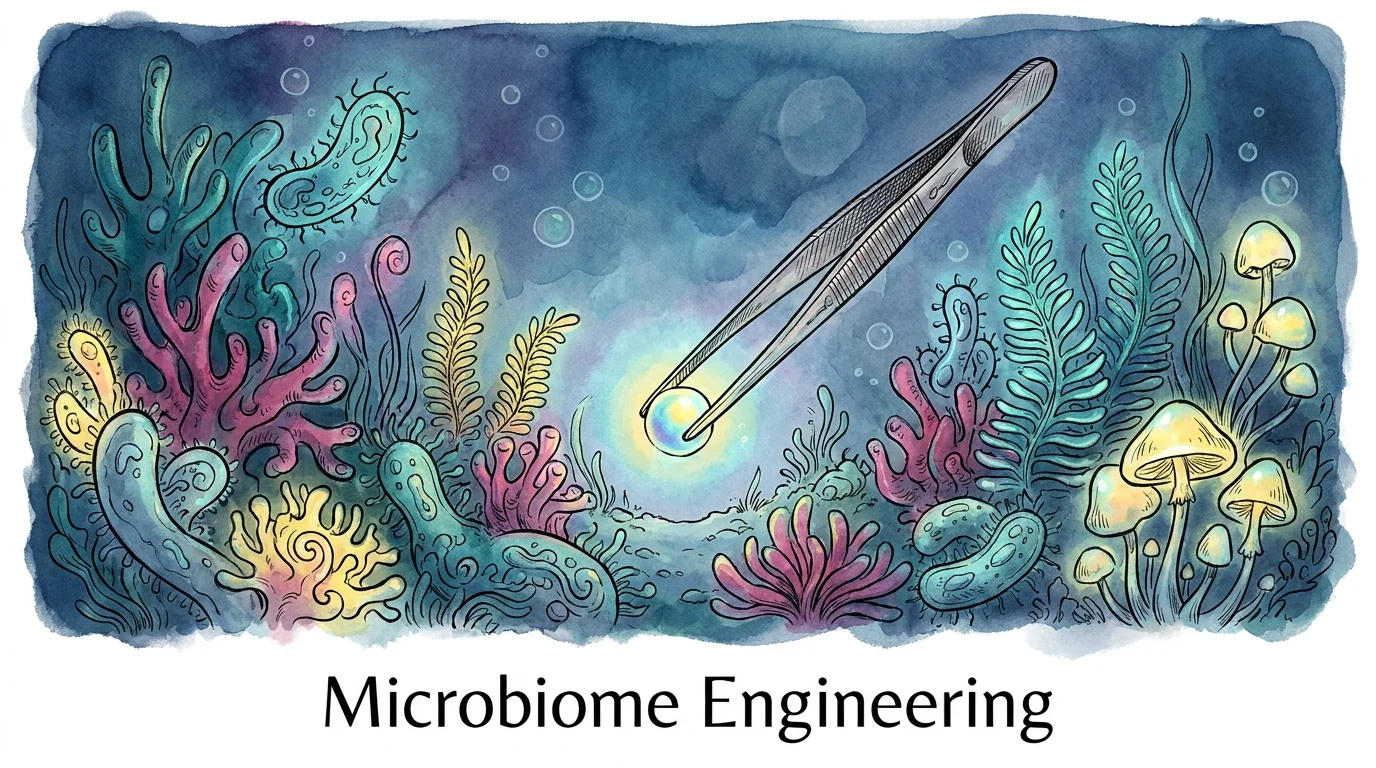
Targeted Microbiome Engineering
Your complex gut microbiome contains trillions of active bacteria that heavily influence everything from your daily digestion to your body’s systemic immune response. Instead of indiscriminately wiping out these crucial populations with harsh broad-spectrum antibiotics, innovative researchers now successfully engineer specific bacterial strains to act as living, dynamic medicines inside your digestive tract. Scientists meticulously program these beneficial microbes to actively detect localized tissue inflammation and immediately release targeted therapeutic healing compounds exactly where your body desperately needs them. If you suffer from debilitating inflammatory bowel disease, you could very soon swallow a simple daily capsule of engineered bacteria that naturally heals your damaged intestinal lining without the severe systemic side effects of traditional immunosuppressant drugs. This fascinating approach treats your body as an interconnected ecosystem, directly utilizing your native biology to establish resilient long-term health.

Psychedelic-Assisted Neuroplasticity
Traditional mental health treatment is undergoing a radical shift as clinical researchers conclusively demonstrate the profound medical efficacy of compounds like psilocybin and MDMA. Under strictly controlled therapeutic conditions, these potent substances directly promote rapid neuroplasticity, allowing your brain to physically form new neural connections and break deeply ingrained psychological patterns of severe trauma or treatment-resistant depression. Unlike standard daily antidepressants that often merely manage surface symptoms, targeted psychedelic-assisted therapy frequently requires just a few intensive clinical sessions to achieve lasting disease remission. You must clearly understand that this medical breakthrough is not recreational use; it mandates rigorous, ongoing psychological support alongside the administered medication. As bodies like the Food and Drug Administration review the undeniable clinical trial data, you may very soon see these once-stigmatized compounds firmly establish themselves as standard care options.
Global Impact of Medical Innovation
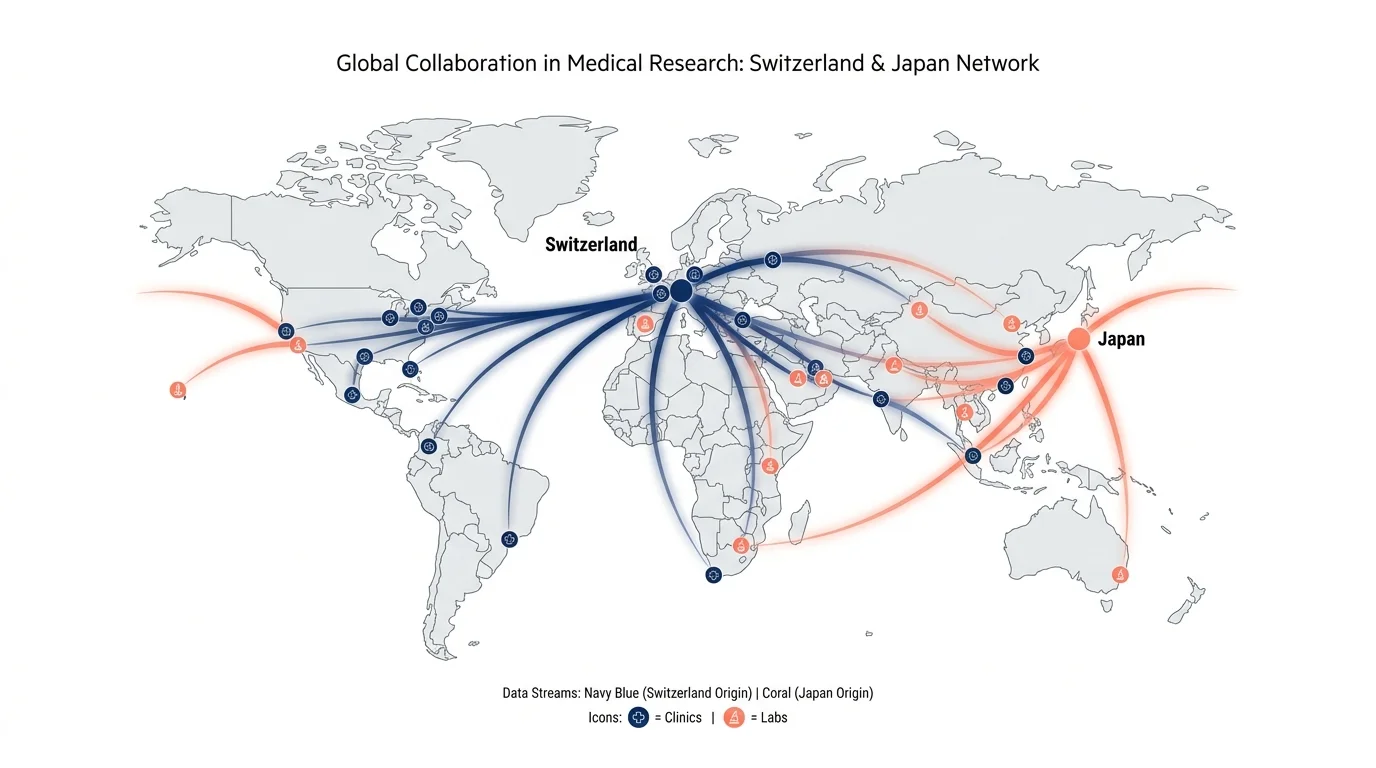
True medical innovation means very little if it exclusively serves wealthy nations; therefore, forward-thinking scientists prioritize scaling these profound discoveries for equitable global access. Consider how biochemical researchers urgently optimize delicate lipid nanoparticles to survive indefinitely without extreme refrigeration, successfully enabling the delivery of fragile mRNA therapies to remote rural clinics in Sub-Saharan Africa. You also see artificial intelligence drastically lowering the massive financial barrier to modern drug discovery, powerfully empowering developing nations to independently design targeted medications for historically neglected tropical diseases. As agricultural scientists efficiently breed heavily regulated pigs for widespread xenotransplantation, they actively create scalable organ supplies that could bypass the complex infrastructure of Western organ donation networks. By strictly focusing on cost reduction and logistical durability, the global health community ensures that your geographic birth location does not dictate your access to life-saving scientific breakthroughs. For broad perspectives on equitable healthcare access, consult the disease burden data from the World Health Organization.

Voices from the Medical Frontier
Hearing directly from the dedicated experts actively driving these biological innovations provides highly crucial context for their realistic application. Senior clinical researchers consistently emphasize that successfully moving a complex discovery from the isolated laboratory bench to the actual patient bedside requires absolutely unprecedented international collaboration. Leading immunologists clearly explain that the ultimate success of personalized mRNA cancer vaccines relies heavily on building streamlined manufacturing processes that can reliably operate at a massive global scale. Meanwhile, cautious bioethicists strongly urge you to carefully consider the heavy moral implications of permanent genetic editing, passionately advocating for strict regulatory frameworks to prevent the unethical misuse of powerful in vivo CRISPR technology. When you closely listen to the brilliant neurologists programming modern brain-computer interfaces, they speak not just of impressive technological triumphs, but of the profoundly emotional human impact of watching a fully paralyzed patient communicate with their family for the first time in several years.
Frequently Asked Questions
How soon will personalized mRNA cancer vaccines be widely available?
While the fundamental scientific technology is fully proven, you will likely need to patiently wait several more years before personalized mRNA cancer vaccines become a universally widespread treatment. Current multi-phase clinical trials are exceptionally successful but remain strictly restricted to treating highly aggressive cancers like advanced melanoma and severe pancreatic cancer. Global regulatory agencies require extensive phase three clinical trials to ensure long-term patient safety and absolute medical efficacy across widely diverse human populations. Furthermore, major pharmaceutical companies must build heavily specialized manufacturing facilities fundamentally capable of producing these custom genetic vaccines for individual patients both rapidly and affordably. As these logistical hurdles predictably clear, you can expect commercial availability to expand steadily.
Are artificial intelligence drug discovery methods medically safe?
Yes, artificial intelligence utilized in modern drug discovery is inherently safe because it exclusively accelerates the initial biological identification and chemical design phases of pharmaceutical development. Highly advanced AI models absolutely do not bypass the extremely strict medical safety protocols legally required for actual human medical use. When a machine-learning algorithm confidently proposes a completely new molecular compound, dedicated scientists still relentlessly subject that specific drug to highly rigorous laboratory testing, extensive animal biological models, and strict multi-phase human clinical trials. You can accurately think of artificial intelligence as an incredibly fast digital brainstorming tool; it rapidly provides the foundational chemical blueprints, but brilliant human experts strictly enforce the careful construction and ultimate safety testing.
What makes in vivo gene editing fundamentally different from previous CRISPR treatments?
Early genetic engineering relied entirely on complex ex vivo medical methods, specifically meaning doctors had to surgically extract your delicate blood stem cells, edit them externally in a sterile laboratory facility, and perform a deeply grueling bone marrow transplant to safely return them to your body. Advanced in vivo gene editing completely bypasses this physically exhausting process entirely. Expert scientists seamlessly package the microscopic genetic editing tools deep inside tiny lipid carriers and inject them directly into your peripheral bloodstream. These intelligent carriers precisely navigate to a specific target organ, such as your liver, and perfectly perform the permanent genetic correction right where the severe disease naturally originates, significantly dramatically reducing your overall hospital recovery time.
How does xenotransplantation actively prevent human organ rejection?
Your robust immune system naturally and aggressively attacks any foreign biological tissue, and standard animal organs possess specific surface sugars that immediately trigger a massive human immune response. To successfully prevent this dangerous hyperacute rejection, geneticists utilize exceptionally precise CRISPR tools to permanently knock out the specific pig genes directly responsible for producing these highly alarming biological sugars. Additionally, smart scientists carefully insert specific human genetic markers directly into the animal genome, effectively disguising the transplanted organ so your vigilant immune system naturally recognizes it as safe human tissue. While you will absolutely still require daily immunosuppressant medications immediately after a complex xenotransplant surgery, these incredibly complex genetic modifications definitively make it biologically possible for the healthy animal organ to permanently survive.
A Look at the Future of Medicine
The highly anticipated next decade of global medical science unequivocally promises to unravel even deeper biological mysteries and ultimately deliver unprecedented control over your personal physical health. You will undoubtedly see bold researchers officially launch highly aggressive clinical trials confidently combining multiple breakthrough technologies, such as directly utilizing advanced artificial intelligence to accurately design significantly more effective lipid nanoparticles for precise CRISPR genetic delivery. While immense, world-changing potential clearly exists, meticulous scientists must still completely uncover exactly how incredibly complex internal ecosystems, particularly the delicate human gut microbiome, organically interact with these novel genomic therapies over an entire natural human lifespan. International regulatory bodies will absolutely face the exceptionally heavy legal burden of standardizing these truly revolutionary medical treatments without accidentally stifling critical scientific innovation. As you carefully navigate your own future healthcare choices, staying consistently informed about these clinical advancements ensures you can confidently access the most effective medical treatments commercially available. Track the real-time progress of these massive ongoing global studies through trusted resources like the National Institutes of Health clinical registry.