You can trace many of the most transformative technologies and medical treatments directly to laboratory errors and contaminated experiments. A forgotten petri dish or a wrong electrical component often holds more potential for discovery than a perfectly executed scientific method. History shows that rigorous observation of unexpected failures routinely yields life-saving antibiotics, deep space discoveries, and indispensable medical devices. When researchers abandon their original hypotheses to investigate strange anomalies, they unlock accidental science that shapes our modern world. Understanding how these eight famous mistakes became scientific triumphs teaches you to view your own professional missteps as hidden opportunities for radical innovation rather than simple failures.
1. Penicillin: The Contaminated Petri Dish
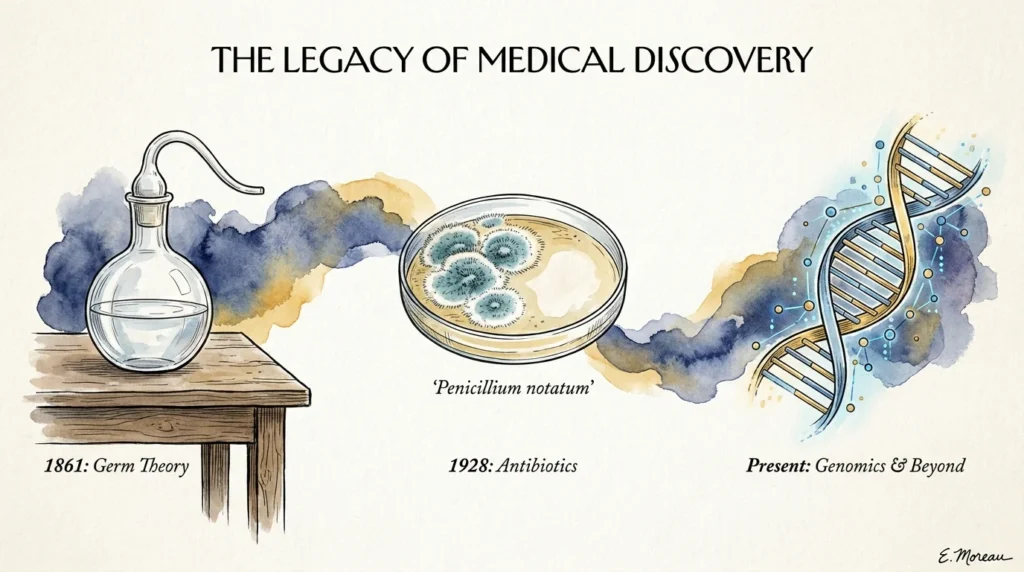
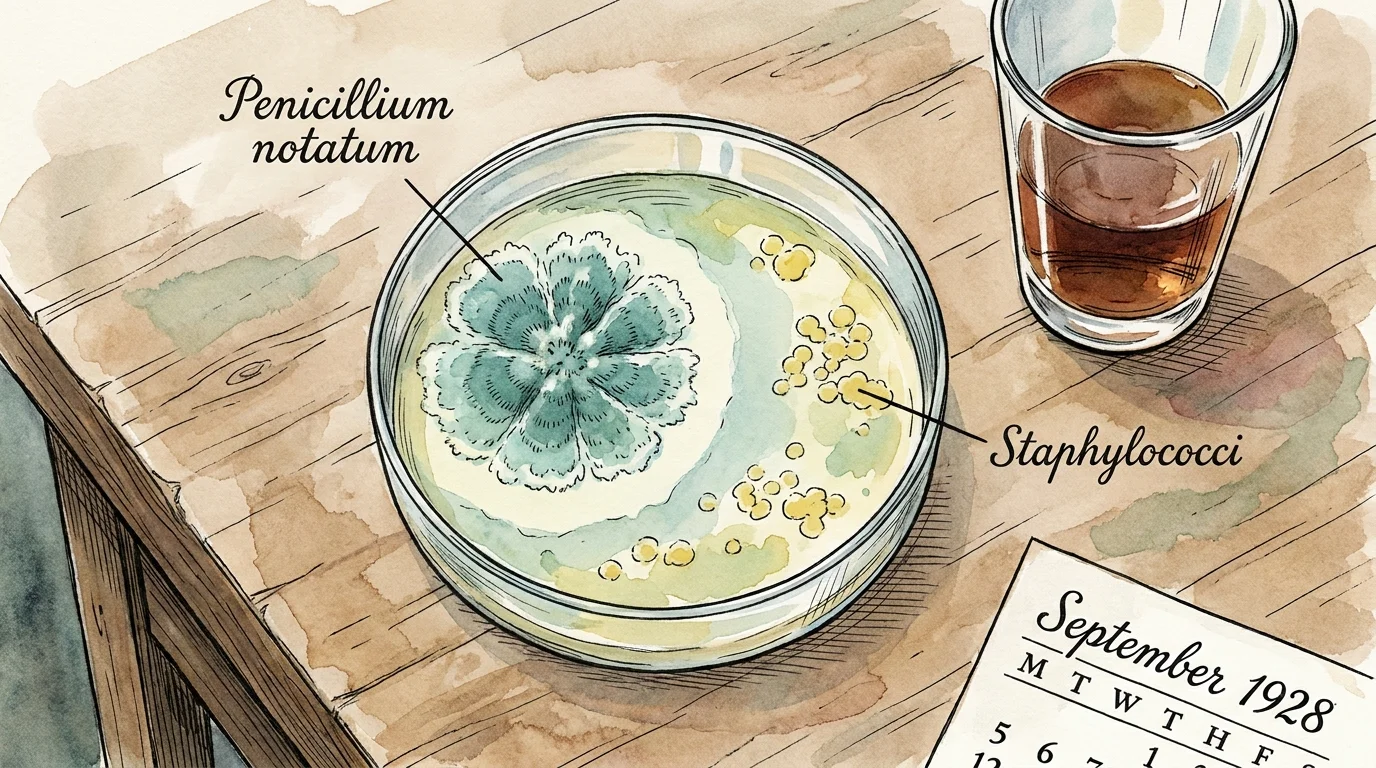
Alexander Fleming left staphylococci cultures exposed on his laboratory bench while vacationing in 1928. When he returned, he noticed a fungal mold growing on one of the plates; however, the area immediately surrounding this mold remained entirely clear of the targeted bacteria. Instead of tossing the contaminated experiment into the incinerator, he isolated the mysterious fungus and identified it as a rare strain of Penicillium notatum. Fleming observed that the mold secreted a juice capable of inhibiting bacterial growth, upending the medical establishment’s understanding of infectious diseases.
You benefit directly from this procedural error every time a doctor prescribes a basic antibiotic for a respiratory infection. Researchers at the World Health Organization note that antibiotics added roughly twenty years to global life expectancy during the twentieth century. Before this accidental isolation, minor scratches routinely caused fatal blood infections. Once chemists scaled the compound for mass production, penicillin saved millions of soldiers during World War II, proving that a sharp eye easily turns a sloppy mistake into a medical miracle.
2. The Pacemaker: Reaching for the Wrong Resistor
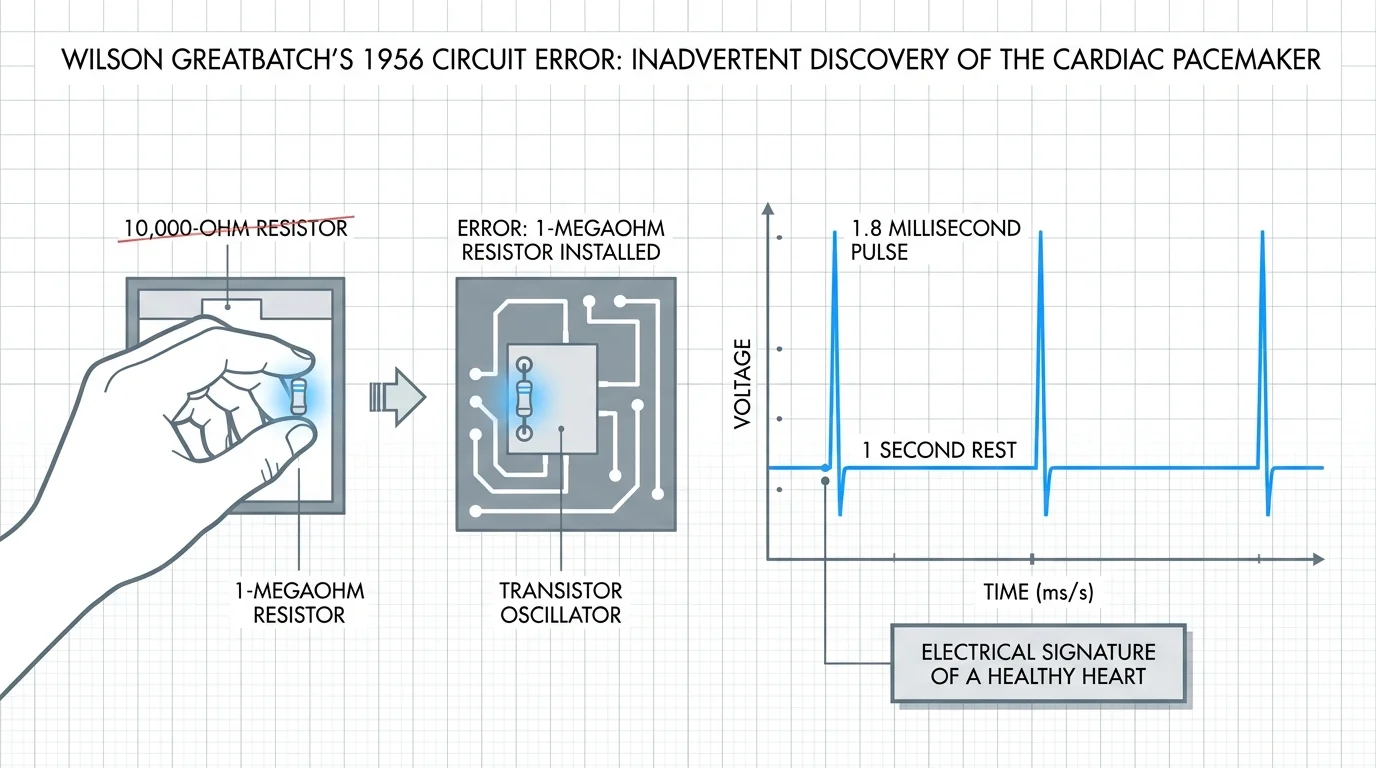
Engineer Wilson Greatbatch set out to build an oscillator to record human heart sounds in 1956. While assembling the delicate circuit, he reached into his parts box and mistakenly grabbed a 1-megaohm resistor instead of the intended 10,000-ohm component. Once he soldered the incorrect piece into the board, the circuit pulsed for 1.8 milliseconds, stopped for one second, and repeated the pattern. Greatbatch immediately recognized this steady rhythm as the exact electrical signature of a healthy human heart.
He realized that instead of merely recording a heartbeat, his flawed device could deliver electrical shocks to drive a failing cardiac muscle. Greatbatch spent years miniaturizing the technology and successfully implanted the first internal pacemaker into a human patient in 1960. Today, you will find millions of individuals across the globe relying on implantable pacemakers to maintain normal cardiac function. This simple electronic blunder established a massive cardiovascular device industry that continually extends the lives of patients suffering from severe arrhythmias.

3. Cosmic Microwave Background: Frustrating Antenna Noise
Astronomers Arno Penzias and Robert Wilson struggled intensely with a persistent, low-frequency hum interfering with their massive Holmdel Horn Antenna in 1964. They initially assumed the annoying static came from urban interference in nearby New York City, or perhaps from the local pigeons actively nesting inside the antenna structure. They spent months scrubbing pigeon droppings from the metal and recalibrating their delicate instruments; yet the mysterious microwave noise remained.
Eventually, they realized the frustrating static arrived uniformly from all directions in the sky simultaneously. They had accidentally detected the cosmic microwave background radiation—the residual thermal echo left over from the Big Bang. Astrophysicists utilizing data from NASA researchers continue to map this ancient radiation today to determine the precise age and expansion rate of the cosmos. Penzias and Wilson shared the Nobel Prize in Physics for understanding that their annoying background static held the ultimate secrets of cosmic history.
4. X-Rays: A Glowing Screen in a Dark Room
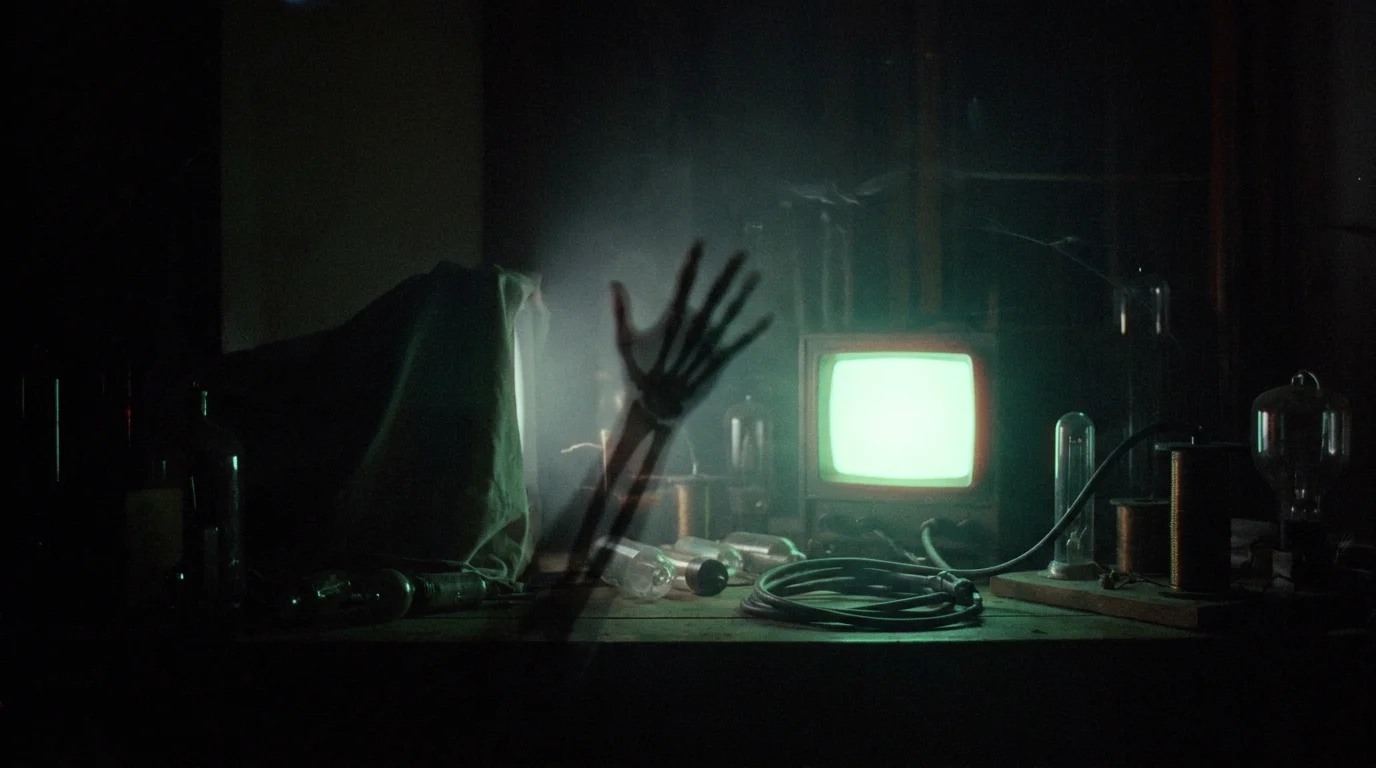
Physicist Wilhelm Röntgen experimented with high-voltage cathode ray tubes in a darkened laboratory in 1895. He meticulously covered the glass tube with heavy black cardboard to prevent any visible light from escaping. Despite this heavy shielding, he noticed a faint, shimmering glow appearing on a nearby screen coated with barium platinocyanide. Röntgen realized the electrified tube emitted an invisible ray capable of passing directly through solid objects.
He spent weeks privately testing various materials before placing his wife’s hand directly in the path of the beam. The resulting photographic plate revealed the dark shadows of her bones and wedding ring, creating the first medical radiograph in history. You experience the lasting legacy of this darkroom anomaly whenever you visit the emergency room for a suspected bone fracture. This unexpected observation revolutionized diagnostic medicine almost overnight, allowing doctors to peer inside the living body without making a single surgical incision.
5. Teflon: The Refrigerant Gas That Solidified
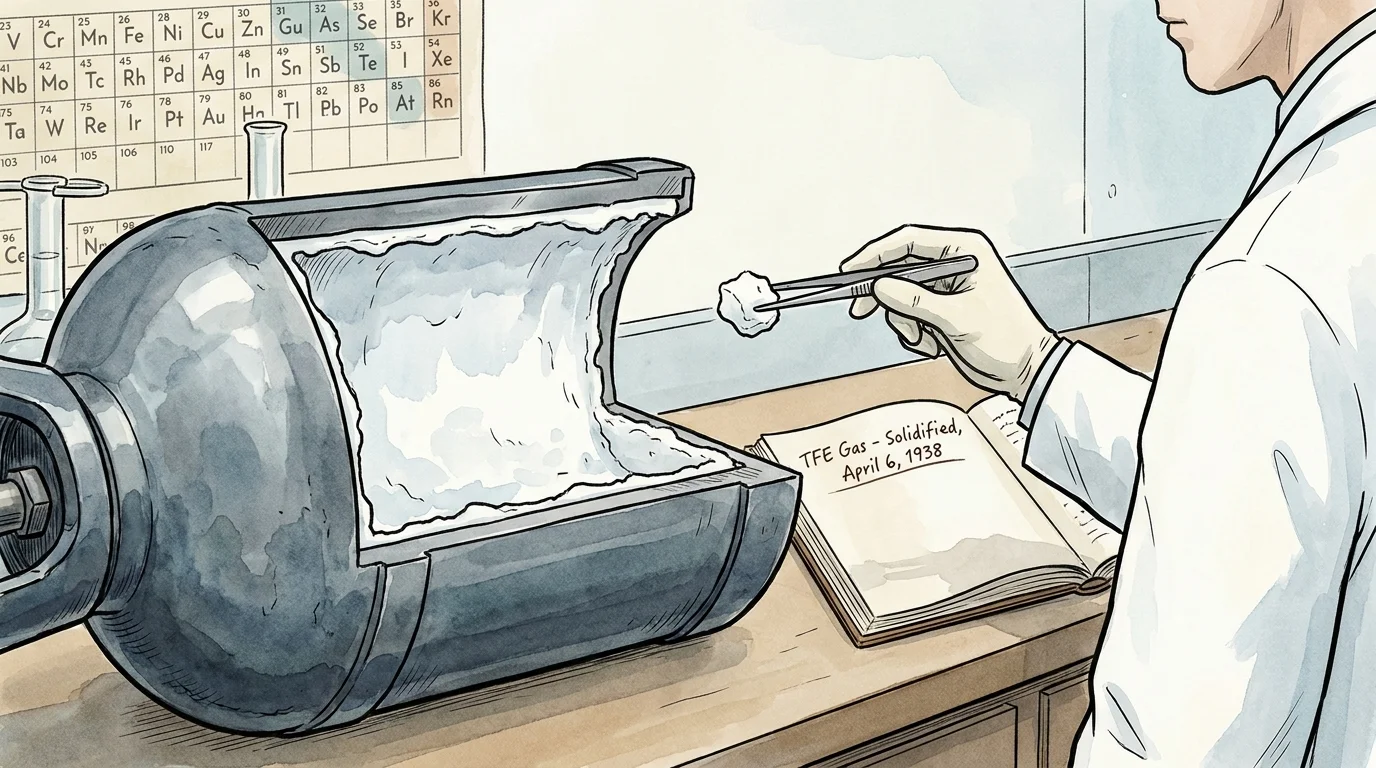
Chemist Roy Plunkett worked for DuPont in 1938, attempting to synthesize a highly efficient, non-toxic chlorofluorocarbon refrigerant. He stored a batch of tetrafluoroethylene gas in pressurized iron cylinders and packed them securely in dry ice overnight. When he opened the cylinder valve the next morning, no gas emerged. Plunkett weighed the heavy cylinder, realized the material remained trapped inside, and sawed the metal container open to discover a slippery, bright white powder.
The trapped gas had spontaneously polymerized into polytetrafluoroethylene under extreme pressure. This accidental plastic proved chemically inert, highly heat-resistant, and incredibly frictionless. While you interact with Teflon daily via non-stick cookware, the rugged material actually transformed aerospace engineering, computer chip manufacturing, and implantable medical devices. Industrial chemists continuously study Plunkett’s remarkable discovery—frequently detailed in peer-reviewed publications like the journal Science—to understand how spontaneous chemical reactions routinely yield exotic materials that defy thermodynamic expectations.

6. Saccharin: Forgetting to Wash Up Before Dinner
Constantin Fahlberg spent a long day researching coal tar derivatives in the academic laboratory of Ira Remsen in 1879. Fatigued from the detailed chemical synthesis, Fahlberg left the lab and sat down to eat dinner without thoroughly washing his hands—a severe violation of fundamental safety protocols. When he bit into a fresh piece of bread, he noticed an intensely sweet, overpowering flavor.
After confirming the sweetness did not originate from the bread itself, he tasted his fingertips and traced the flavor back to the specific chemical compounds he had handled earlier that afternoon. Fahlberg rushed back to his workstation to isolate the exact substance, successfully synthesizing the compound we now call saccharin. Today, dietary scientists leverage zero-calorie sweeteners to help patients manage diabetes and reduce overall sugar consumption. By forgetting basic laboratory hygiene, Fahlberg inadvertently created a global food additive market that fundamentally altered modern dietary habits.
7. The Microwave Oven: A Melted Snack Near a Radar Magnetron
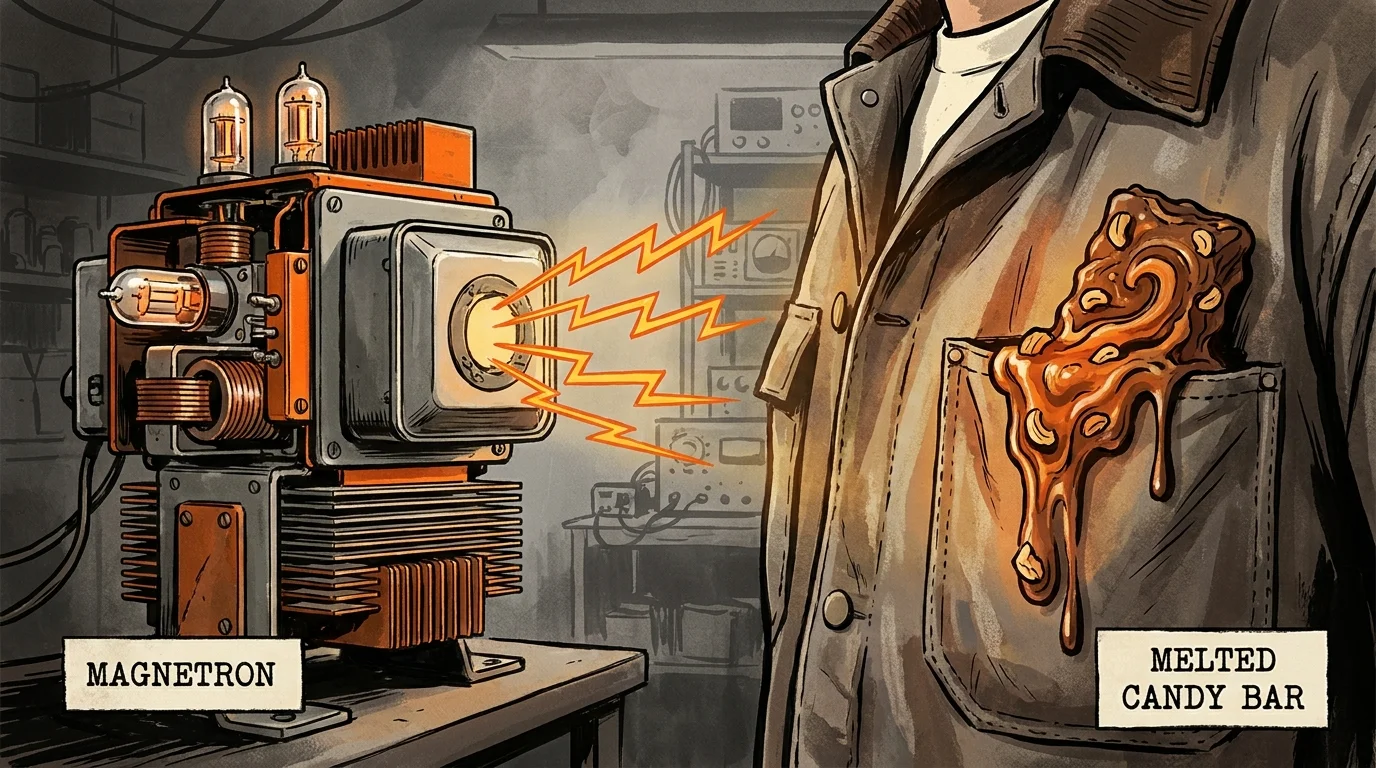
Engineer Percy Spencer stood directly next to an active magnetron—a powerful vacuum tube that generates microwave radio signals for early warning military radar systems—in 1945. While observing the active radar equipment, he noticed a strange warming sensation in his pocket. A peanut cluster candy bar he carried had completely melted into a warm, gooey mess through his clothing.
Spencer hypothesized that the invisible microwaves generated intense heat by violently agitating the water molecules trapped within the food. To test his bold theory, he placed unpopped popcorn kernels near the active magnetron, successfully initiating the world’s first microwave-popped snack. You rely on this wartime radar byproduct to quickly reheat leftovers and defrost frozen meals on busy weekday evenings. This brilliant crossover between heavy military technology and everyday culinary science demonstrates exactly how sharp observational skills often bridge entirely unrelated scientific disciplines.
8. Weak Adhesives: The Failure That Yielded the Sticky Note
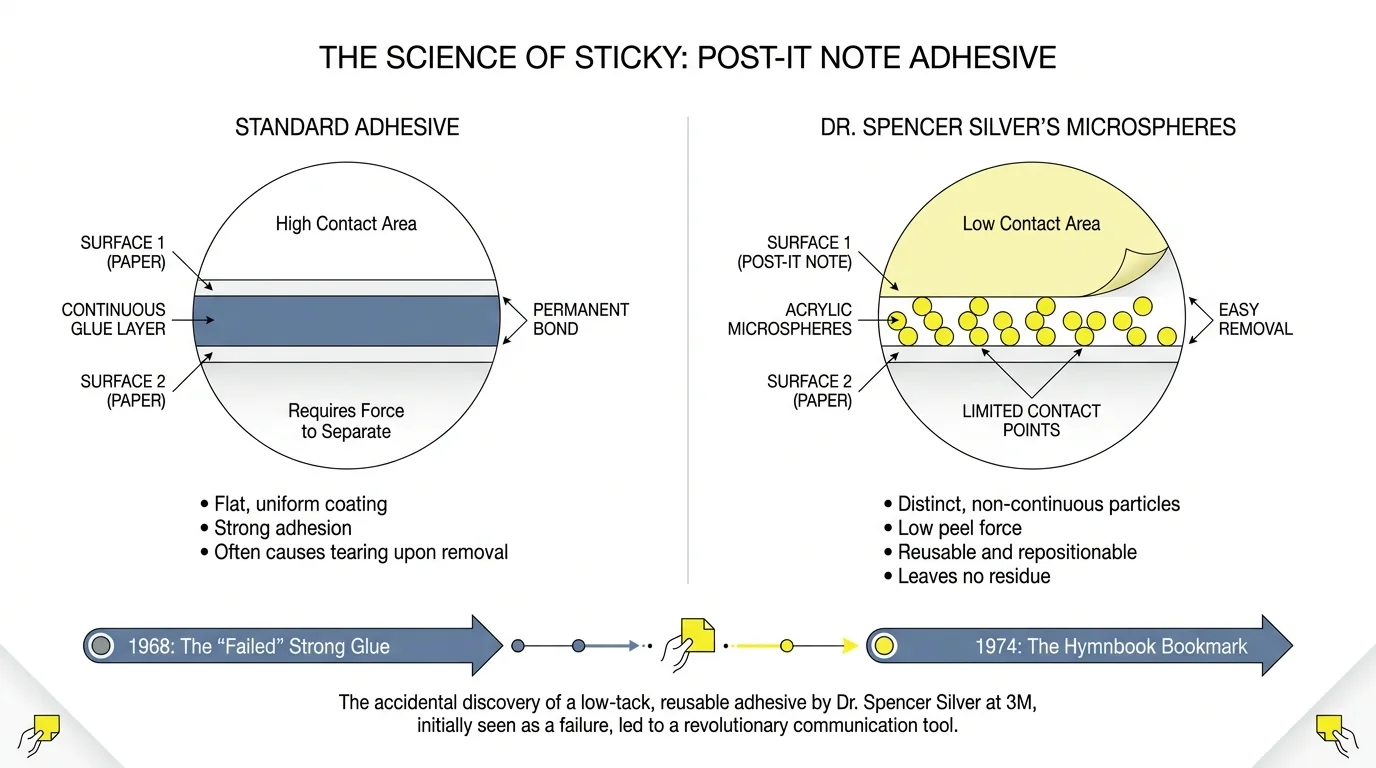
Chemist Spencer Silver attempted to create a super-strong aerospace adhesive for the 3M corporation in 1968. Instead, he developed a remarkably weak, pressure-sensitive adhesive that formed tiny acrylic spheres; it would hold pieces of paper together lightly but easily peel away without leaving any sticky residue behind. The manufacturing company considered the formula a complete failure because it failed to permanently bond anything together.
For years, Silver persistently promoted his weak glue to internal colleagues with absolutely no success. Finally, in 1974, his frustrated colleague Art Fry remembered the failed adhesive while singing in his local church choir. Fry desperately needed a reliable bookmark that would stick to his hymnal without tearing the delicate paper pages when removed. Fry applied Silver’s peculiar glue to small pieces of paper, creating the functional prototype for the Post-it Note. This famous corporate mistake proves that a chemical invention only becomes truly valuable when you pair it with the exact right human problem.
Global Impact and the Psychology of Accidental Science
These eight scientific mistakes highlight a crucial psychological trait necessary for generating genuine innovation: the willingness to investigate strange anomalies. Rigorous data collection absolutely matters, but the rare ability to recognize immense value in unexpected outcomes ultimately drives human progress forward. Global research institutions now actively encourage their scientists to openly report experimental failures, recognizing that a flawed hypothesis often reveals a deeper truth about the natural world.
Experts at the National Institutes of Health continually emphasize that many modern pharmacological breakthroughs begin as unanticipated side effects discovered during routine clinical trials. When you study the history of these discoveries, you see a consistent, repeatable pattern of intense curiosity overriding immediate professional frustration. By actively maintaining an open mind during your own professional setbacks, you position yourself to capture the serendipity that sparks true technological advancement.
Frequently Asked Questions
How common are accidental discoveries in modern science? Accidental discoveries remain incredibly common across all research fields. While modern laboratories utilize strict analytical protocols, researchers estimate that nearly half of all newly patented pharmaceuticals originate from unexpected clinical observations or off-target chemical interactions during early testing phases.
Can we engineer serendipity in research environments? You cannot mathematically guarantee accidental breakthroughs, but you can foster corporate environments that actively encourage them. Many successful technology companies deliberately grant their employees dedicated time to experiment with unrelated side projects, effectively maximizing the statistical chance for unexpected discoveries.
Why do some scientists ignore unexpected laboratory results? Intense cognitive bias often causes focused researchers to simply discard anomalous data. When a scientist desperately wants to prove a specific, well-funded hypothesis, they may incorrectly view experimental noise as a mere nuisance rather than a glowing sign pointing toward a new phenomenon.
Are all laboratory mistakes safe to investigate? Absolutely not. While Constantin Fahlberg miraculously survived tasting untested chemical compounds off his unwashed hands, modern safety protocols strictly prohibit such reckless behavior. Today’s scientists rely heavily on advanced analytical instruments to characterize unexpected compounds safely from behind heavy protective glass.
The Future of Accidental Discovery
As artificial intelligence and machine learning algorithms increasingly take over routine data analysis, the exact nature of scientific mistakes will inevitably evolve. Future breakthroughs will likely emerge from strange algorithmic hallucinations or highly unexpected correlations buried deep within massive digital datasets. Computer researchers are already discovering novel protein structures and unprecedented material compositions by actively investigating the initially unexplainable outputs generated by predictive models.
As you look toward the upcoming decades of deep space exploration and commercial quantum computing, you can confidently expect the greatest leaps forward to arrive entirely unannounced. Embracing the unknown remains the most powerful, indispensable tool in the modern scientific arsenal. The next world-changing medical treatment, revolutionary clean energy solution, or profound cosmological insight might already exist, hiding quietly right now in the digital discard pile of a frustrated laboratory researcher.