Aging is no longer an inevitable decline; it is a flexible biological process you can influence and potentially reverse. By treating the root cellular causes of growing older, researchers are developing therapies that extend your healthy, active years rather than just prolonging your lifespan. Over the next decade, advances in longevity research will transition from laboratory experiments into clinical reality. You will soon have access to treatments that clear damaged cells, reprogram your DNA, and regenerate failing tissues. These aging science breakthroughs promise to protect your cognitive function and physical strength well into your later decades. Prepare to navigate a new era of healthy aging where your chronological age no longer dictates your biological capabilities.

1. Senolytics: Targeting Cellular Waste
As you age, some of your cells stop dividing but refuse to die. These senescent cells—often called zombie cells—secrete inflammatory chemicals that accelerate aging and drive tissue degradation. Senolytics are an emerging class of drugs designed to hunt down and clear these harmful cells from your body. Preclinical studies using specific chemical compounds have successfully restored muscle function and extended the lifespan of aging subjects. Researchers are now conducting human clinical trials to treat age-related conditions like osteoarthritis and macular degeneration. By periodically taking a senolytic treatment to flush out accumulated cellular waste, you could significantly lower systemic chronic inflammation and preserve your joint and tissue health for decades longer.
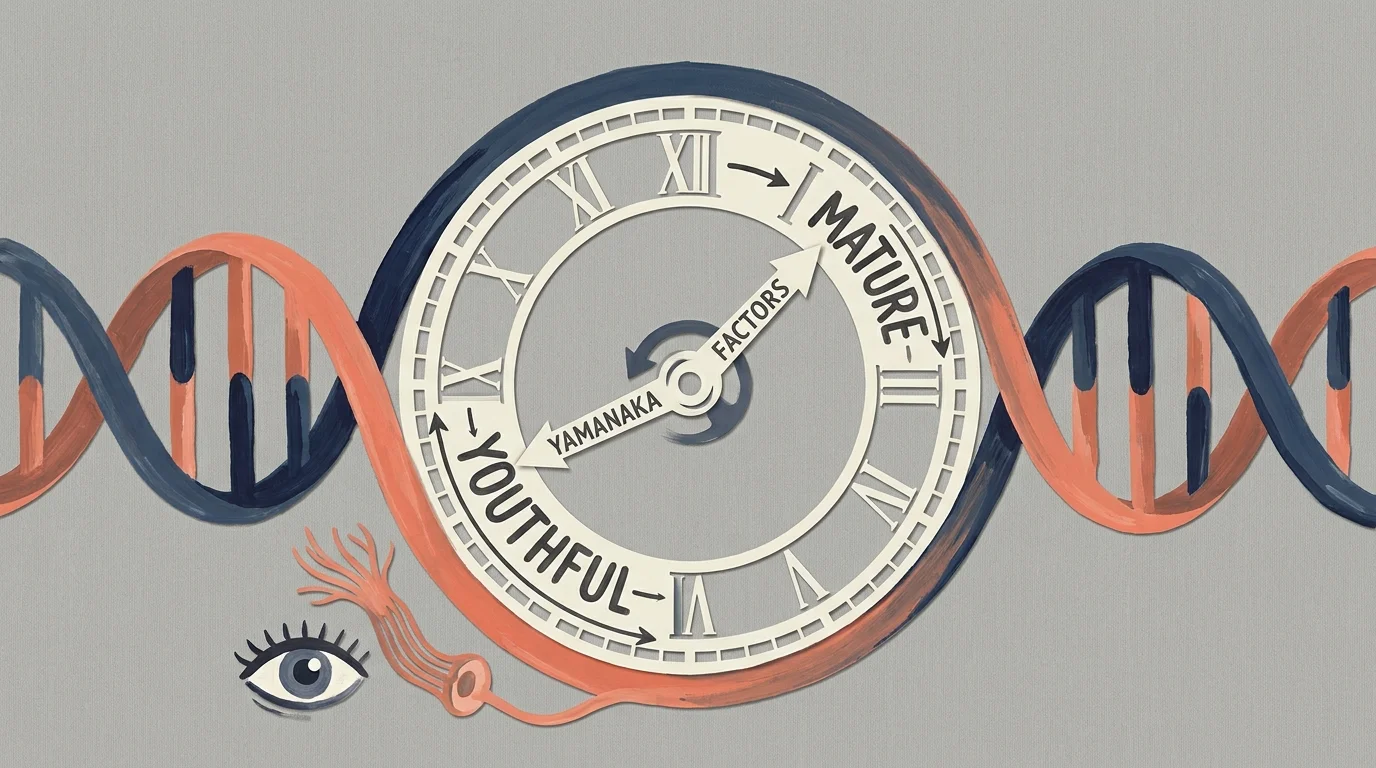
2. Epigenetic Reprogramming: Reversing the Cellular Clock
Your cells carry an epigenetic clock that dictates how genes are expressed as you grow older. Scientists have discovered that applying specific proteins, known as Yamanaka factors, can reset this clock; they return mature cells to a youthful state without erasing their functional identity. Recent groundbreaking experiments successfully used partial epigenetic reprogramming to restore vision in older models by rejuvenating the optic nerve. Researchers are currently optimizing this technique for humans and exploring how to deliver these factors safely using targeted gene therapy. While a full-body reset remains a long-term goal, localized epigenetic treatments could soon repair specific damaged organs. This breakthrough offers a concrete pathway to genuinely reverse cellular aging.
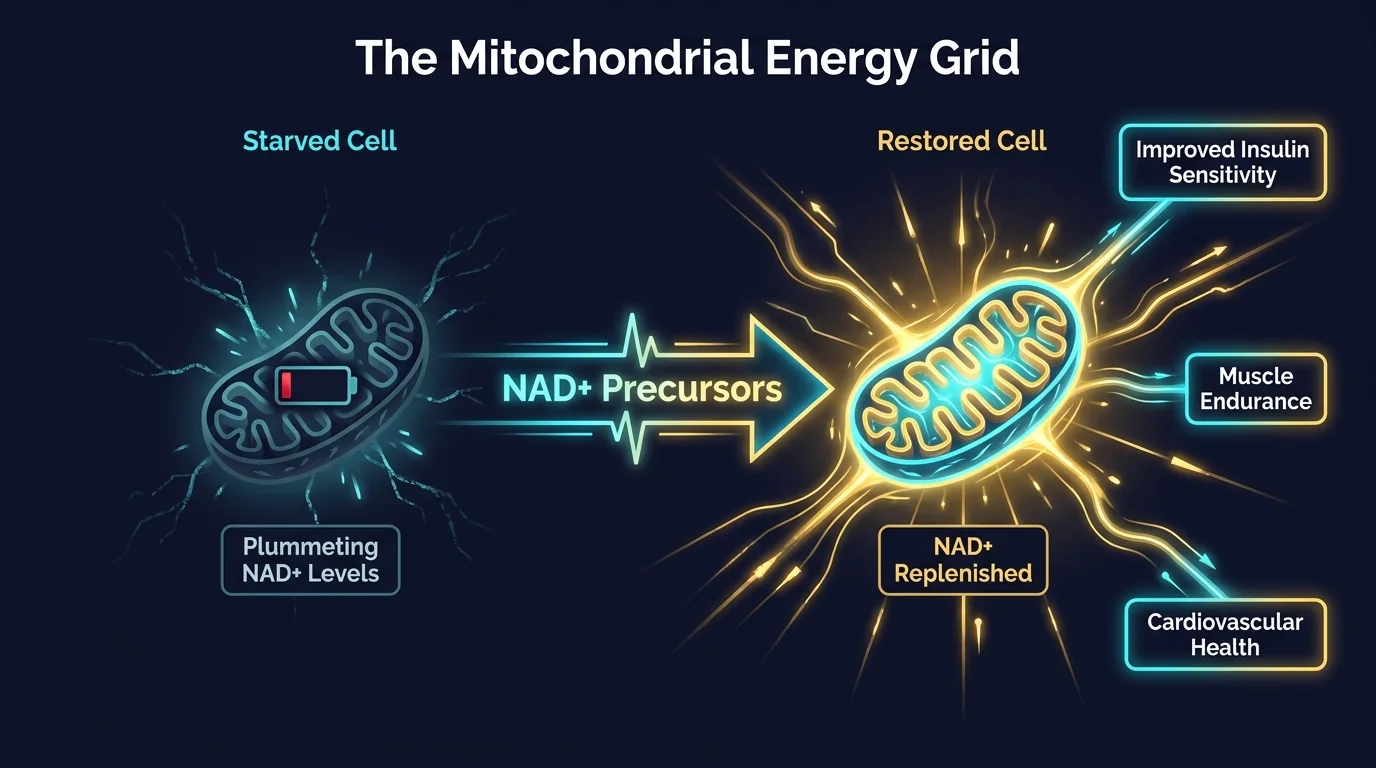
3. NAD+ Boosters and Mitochondrial Restoration
Mitochondria generate the energy your cells need to repair DNA and maintain basic biological functions. However, as you age, levels of a crucial coenzyme called NAD+ plummet, leaving your cells starved for energy and highly vulnerable to decay. To combat this, scientists are developing potent NAD+ precursors, such as nicotinamide riboside and nicotinamide mononucleotide. When you supplement with these precursors, your body synthesizes them into NAD+, effectively restoring your cellular energy grids. Clinical studies indicate that replenishing NAD+ improves insulin sensitivity, muscle endurance, and overall cardiovascular health in older adults. By keeping your mitochondria fully powered, these cellular boosters provide a practical intervention to maintain your physical stamina into old age.

4. mTOR Inhibition Through Rapamycin
The mTOR protein pathway acts as your body’s primary nutrient sensor, directing cells to either grow rapidly or repair themselves. When you are young, rapid growth is beneficial; in later years, an overactive mTOR pathway accelerates aging and increases cancer risk. Rapamycin, an FDA-approved immunosuppressant, works by inhibiting this pathway, tricking your cells into a protective repair mode similar to the biological effects of fasting. Extensive research shows that rapamycin consistently extends lifespan and delays age-related decline. Human trials are currently exploring low-dose, intermittent rapamycin protocols to enhance immune function in older adults without severe side effects. Fine-tuning the mTOR pathway could soon become a standard medical strategy to protect your long-term health.
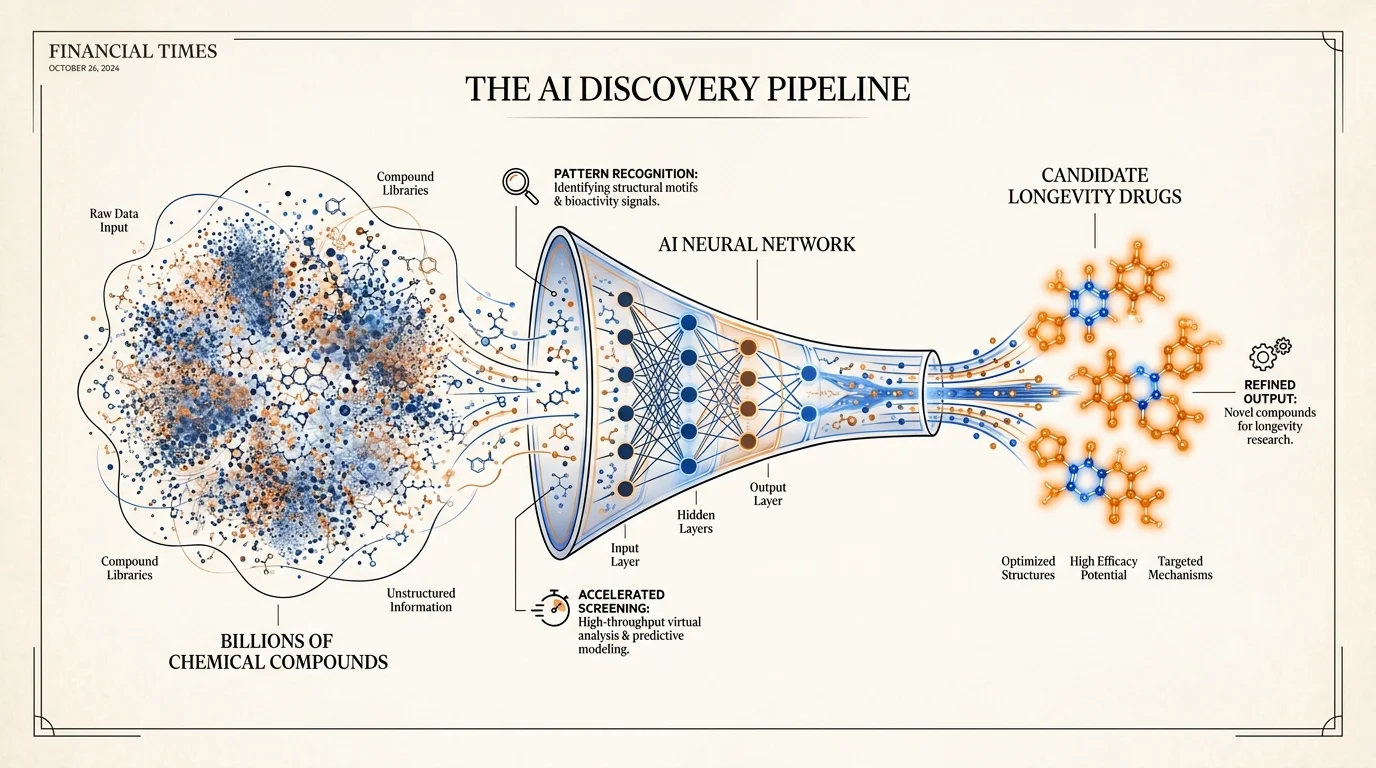
5. AI-Driven Longevity Drug Discovery
Discovering new medical treatments traditionally takes billions of dollars and over a decade of intensive research. Artificial intelligence is radically compressing this timeline, specifically for the field of aging research. Advanced machine learning models now sift through massive databases of chemical compounds and biological data to identify molecules that target multiple aging pathways simultaneously. Recently, AI algorithms successfully discovered new senolytic compounds in a fraction of the time human researchers would require. By accurately predicting how different experimental drugs interact with the aging human body, AI allows scientists to bypass years of trial and error. You will likely benefit from highly targeted, AI-designed longevity therapeutics long before the end of the decade.

6. Digital Biomarkers and Next-Generation Wearables
To successfully treat biological aging, you need an accurate way to measure it. Chronological age is a poor metric, which is why scientists are developing digital biomarkers to track your biological age in real time. Modern wearables now monitor heart rate variability, sleep architecture, and subtle movement patterns to detect the earliest micro-changes associated with frailty and cognitive decline. Researchers are coupling this digital data with continuous glucose monitoring to create personalized profiles revealing exactly how fast your body is aging. By leveraging these advanced real-time diagnostics, your doctor will be able to prescribe early interventions—such as tailored nutrition or specific exercise regimens—years before physical symptoms of aging manifest.
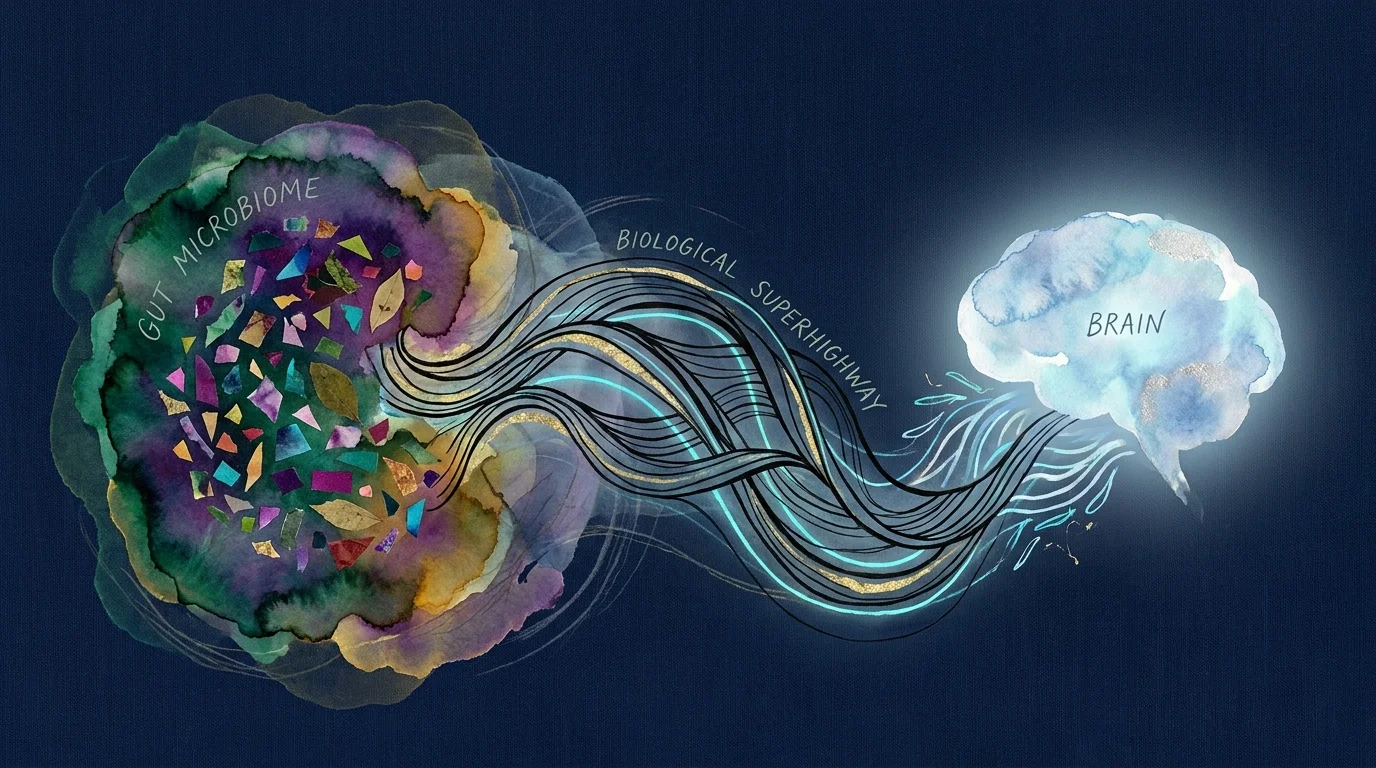
7. Microbiome Interventions for Gut-Brain Health
Your gut microbiome profoundly influences your immune system, systemic inflammation levels, and even your brain health. As you age, the diversity of beneficial bacteria in your digestive tract declines, contributing to systemic inflammation and cognitive issues. Researchers are pioneering advanced microbiome interventions—ranging from precision prebiotics to targeted microbiota transplants—to restore a youthful microbial balance. Recent studies demonstrated that transferring gut microbiomes from young subjects into older ones reversed age-associated cognitive decline and improved memory. Modulating your gut bacteria offers a highly accessible, non-invasive method to protect your neurological health and maintain a robust, responsive immune system as you navigate your later years.
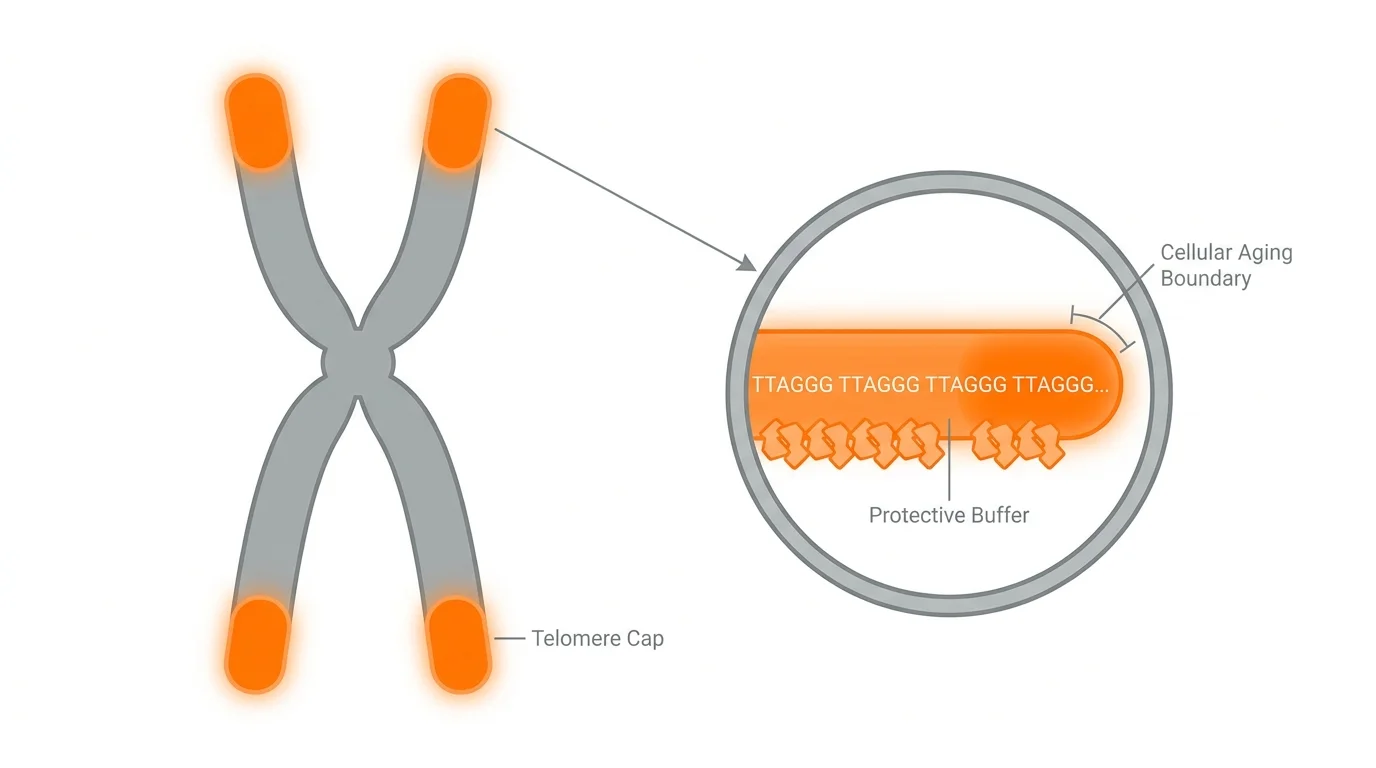
8. Telomere Maintenance Therapies
Telomeres are the protective caps located at the ends of your chromosomes. Every time a cell divides, these caps shorten; when they become too short, the cell stops functioning and becomes senescent. While the enzyme telomerase can rebuild these caps, simply increasing telomerase throughout the entire body raises cancer risks. Scientists are now designing highly targeted delivery systems to temporarily boost telomerase in specific tissues, such as the lungs and blood vessels, promoting regeneration without triggering uncontrolled cell growth. Early clinical work on telomere-extending gene therapies shows remarkable promise in treating rare, accelerated aging diseases. Perfecting this balance will eventually allow you to rejuvenate specific organs safely and effectively.
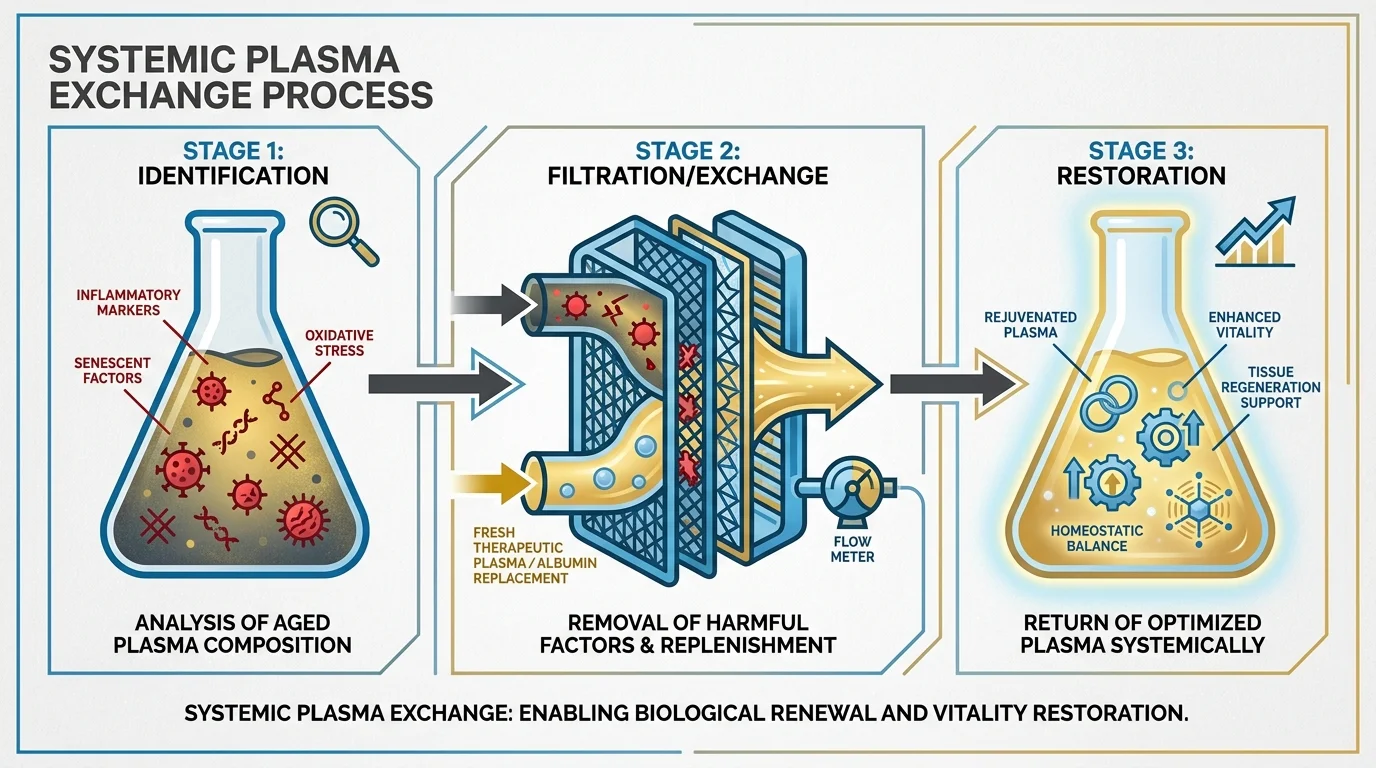
9. Systemic Rejuvenation via Plasma Exchange
The idea that young blood harbors restorative properties sounds like science fiction, but modern research validates the underlying mechanism. Studies show that exchanging the blood plasma of older organisms with that of younger ones stimulates profound tissue repair and neurogenesis. Instead of relying on actual blood transfusions, scientists are identifying the specific pro-aging proteins that accumulate in older plasma and the youthful proteins that actively promote healing. Clinical trials are currently testing therapeutic plasma exchange in humans to dilute inflammatory factors and halt the progression of age-related cognitive decline. Synthetic protein therapies that mimic this regenerative environment could soon help you systematically repair damaged tissues without needing donor plasma.
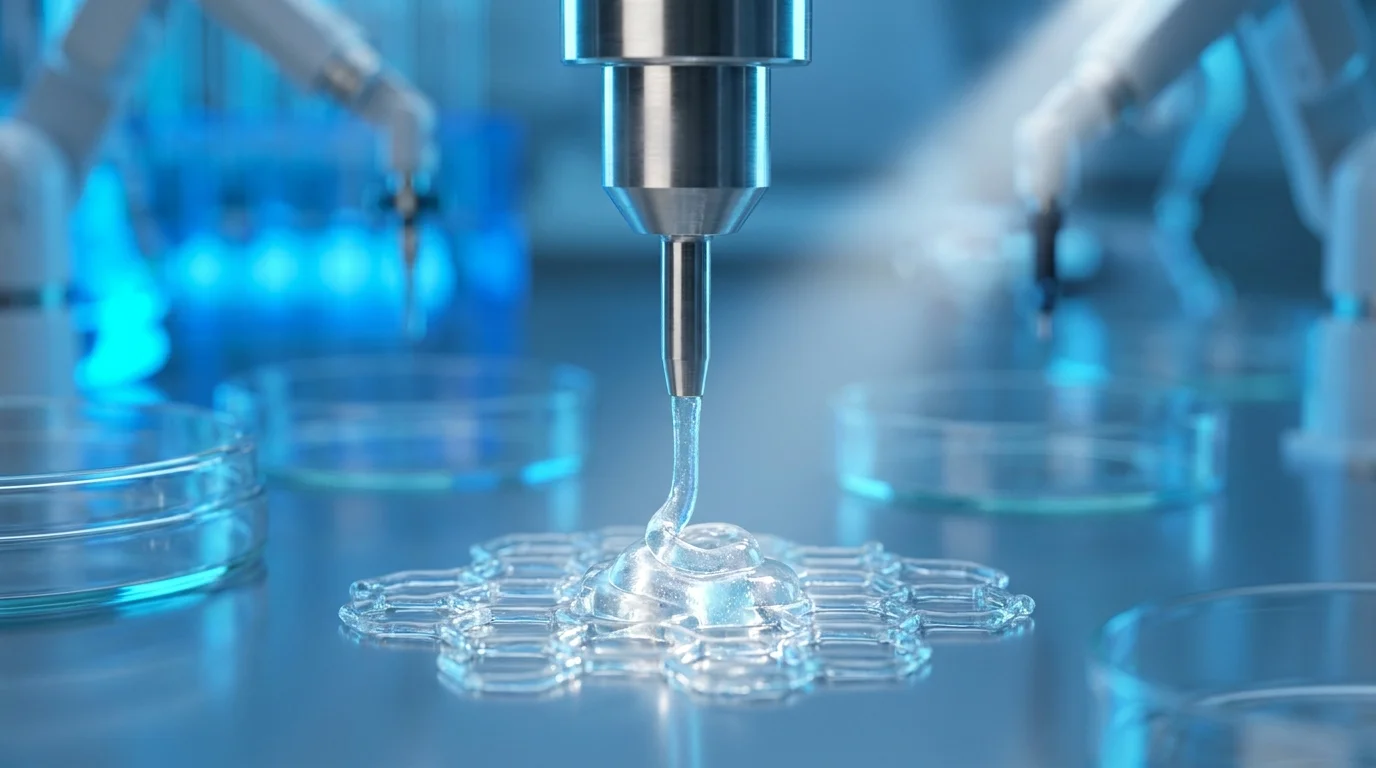
10. 3D Bioprinting and Organ Regeneration
When age causes critical organs to fail, transplantation is often the only, yet highly limited, solution available. By 2030, 3D bioprinting stands to alleviate the global organ donor shortage entirely. Scientists are currently using patients’ own stem cells to print functional tissue scaffolds, preventing the risk of dangerous immune rejection. While complex organs like hearts are still in development, researchers have already successfully printed simpler structures like skin, cartilage, and functional bladder tissue. As this technology matures, you could theoretically replace failing joints, damaged liver patches, or worn heart valves with brand-new, biologically identical parts. This engineering breakthrough shifts the paradigm of aging from managing decline to actively replacing worn-out components.

The Global Impact of Longevity Science
Extending healthy human lifespans stretches far beyond individual wellness; it promises to reshape global economics, healthcare systems, and policies. In aging populations across Japan, Europe, and North America, a demographic crisis currently threatens to overwhelm medical infrastructure. By compressing morbidity—ensuring that your final years are spent in good health rather than chronic decline—these scientific breakthroughs could save trillions of dollars in global healthcare costs. Furthermore, keeping older adults physically capable and cognitively sharp will fundamentally alter the workforce. You may find yourself pursuing multiple distinct careers over a century-long lifespan, bringing decades of compounded expertise to complex societal problems. This shift requires rethinking retirement, continuous education, and social safety nets. While there are valid concerns about equitable access to these treatments, global health organizations are increasingly prioritizing longevity research as a preventive public health measure. Ensuring these therapies reach developing nations will be crucial to preventing a divided world where only the wealthy can afford extra decades of vitality.

Expert Voices: The Transition to Geroscience
The shift from treating isolated diseases to treating aging itself—a field known as geroscience—is gaining widespread support from leading researchers. Scientists argue that tackling individual age-related diseases in isolation offers only marginal gains in overall life expectancy. Instead, targeting the underlying biological hallmarks of aging can delay these conditions simultaneously, creating a compounding effect on your overall health. Public health advocates emphasize that the ultimate goal is healthspan, not just lifespan. Medical experts caution against the hype of immediate immortality, reminding the public that robust clinical trials take time to ensure safety and long-term efficacy. Researchers note that translating animal successes into human treatments requires rigorous validation; laboratory environments do not perfectly mirror human complexity. By focusing on measurable biomarkers, the scientific community is building a rigorous framework to validate which anti-aging interventions genuinely work in real-world scenarios.
Frequently Asked Questions About Aging Science
Will these anti-aging breakthroughs make people live forever?
Current longevity research is not about immortality. The objective is extending your healthspan—the years you live free from chronic disease. While maximum lifespan might increase, the focus remains on keeping you active and independent.
Are these treatments safe for human use?
Many mentioned therapies remain in clinical trials to determine long-term safety. While some interventions exist as dietary supplements, complex treatments like epigenetic reprogramming require strict regulatory approval. Always consult a medical professional before starting any experimental protocol.
How much will these longevity therapies cost?
New medical technologies are often expensive initially. However, as manufacturing scales and artificial intelligence accelerates discovery, costs should drop significantly. Because healthy aging reduces chronic care costs, governments have strong incentives to subsidize treatments, improving public access.
What can I do right now to slow down my biological aging?
While waiting for pharmaceutical breakthroughs, you can leverage proven lifestyle interventions to activate your body’s natural longevity pathways. Regular aerobic and resistance exercise, adequate sleep, stress management, and a nutrient-dense diet all positively influence epigenetic aging and mitochondrial health. These foundational habits prepare your biology to benefit optimally from future medical advancements.
A Forward Look: What to Expect by 2030
By the end of the decade, the landscape of human aging will look profoundly different. The next few years will deliver critical data from advanced clinical trials, separating genuine medical breakthroughs from speculative hype. You will likely see the first approved drugs explicitly targeting the biology of aging, establishing a proactive medical paradigm. Challenges certainly remain. Scientists must untangle the intricate web of human genetics to understand why certain interventions work better for some individuals than others. Regulatory agencies will need to adapt their frameworks to approve treatments that prevent decline rather than just cure an existing disease. Despite these hurdles, the momentum in geroscience is unstoppable. By embracing these advancements, you are stepping into a future where growing older signifies accumulating wisdom without sacrificing your physical vitality.