Scientific progress rarely follows a neat, predictable path from hypothesis to triumph; instead, serendipity and keen observation drive many of history’s greatest breakthroughs. When you examine how everyday life transformed over the past two centuries, you find that discarded laboratory cultures, mistaken electrical components, and overcast skies birthed entire industries. Rigorous training enables researchers to recognize the profound value hidden inside unexpected laboratory anomalies rather than discarding them as failures. By understanding these historical accidents, you can better appreciate how modern medicine, global telecommunications, and industrial chemistry continuously evolve through observant minds confronting the unexpected.
The Architecture of Unintended Scientific Breakthroughs
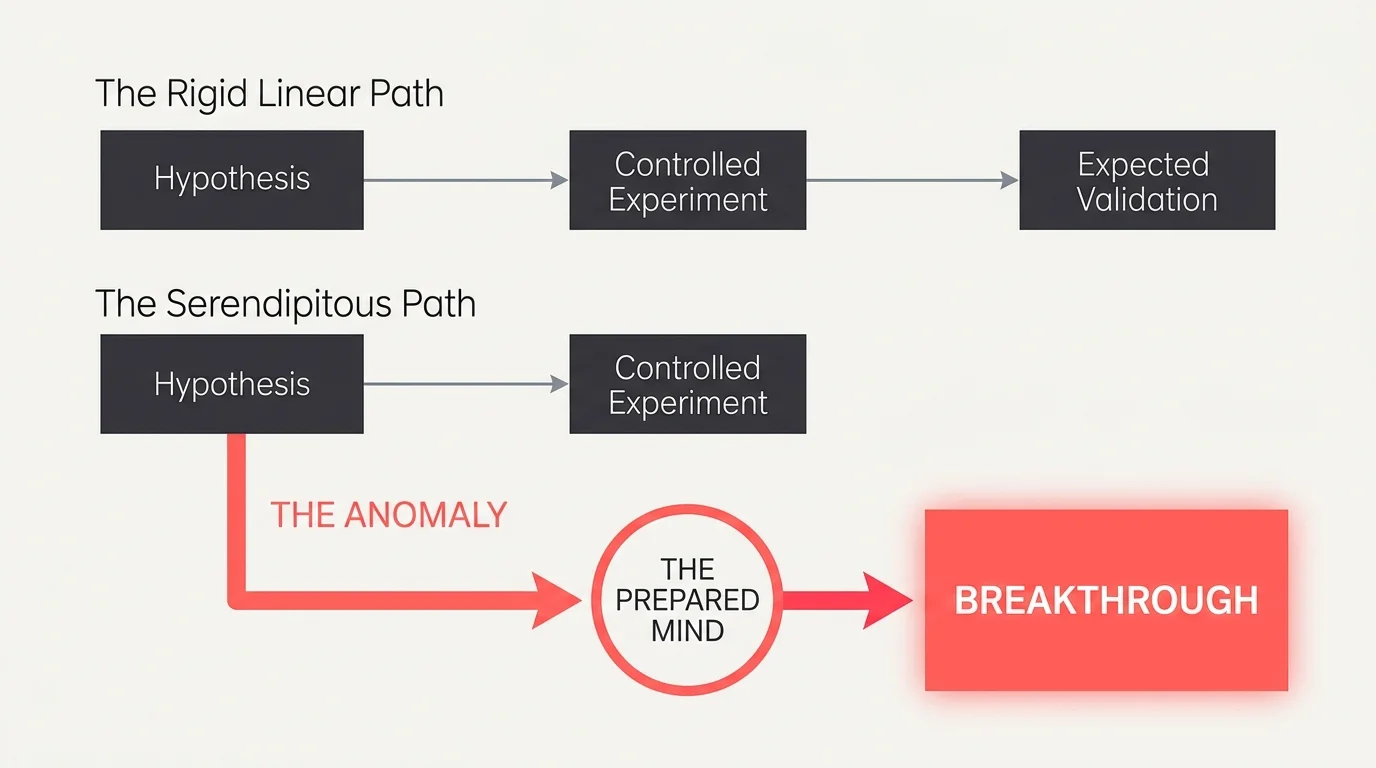
You might imagine scientific discovery as an orderly march through the scientific method, where investigators formulate a hypothesis, test variables in controlled settings, and validate predictions. Yet the annals of chemistry, physics, and medicine demonstrate that human curiosity often yields its greatest returns when experiments veer completely off course. Serendipity in research is not blind luck; rather, it represents the intersection of an unexpected event and an intellect trained to recognize its deeper meaning. When laboratory anomalies arise, uninspired workers discard the contaminated dish or toss out the spoiled mixture. Visionary scientists pause, question the mechanism behind the error, and reorient their inquiries toward uncharted territory.
Eight Groundbreaking Discoveries Born from Chance
1. Penicillin and the Contaminated Culture
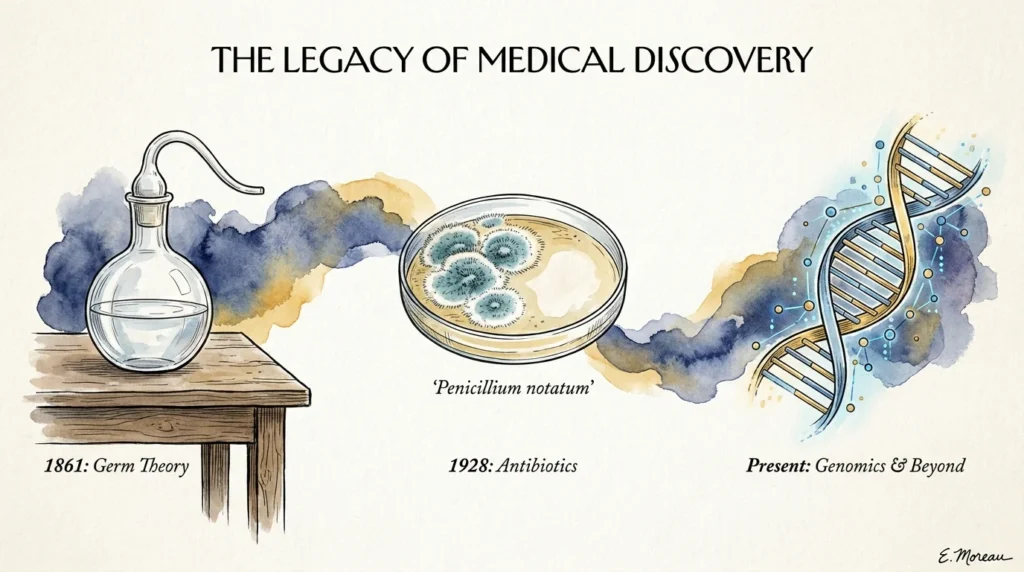
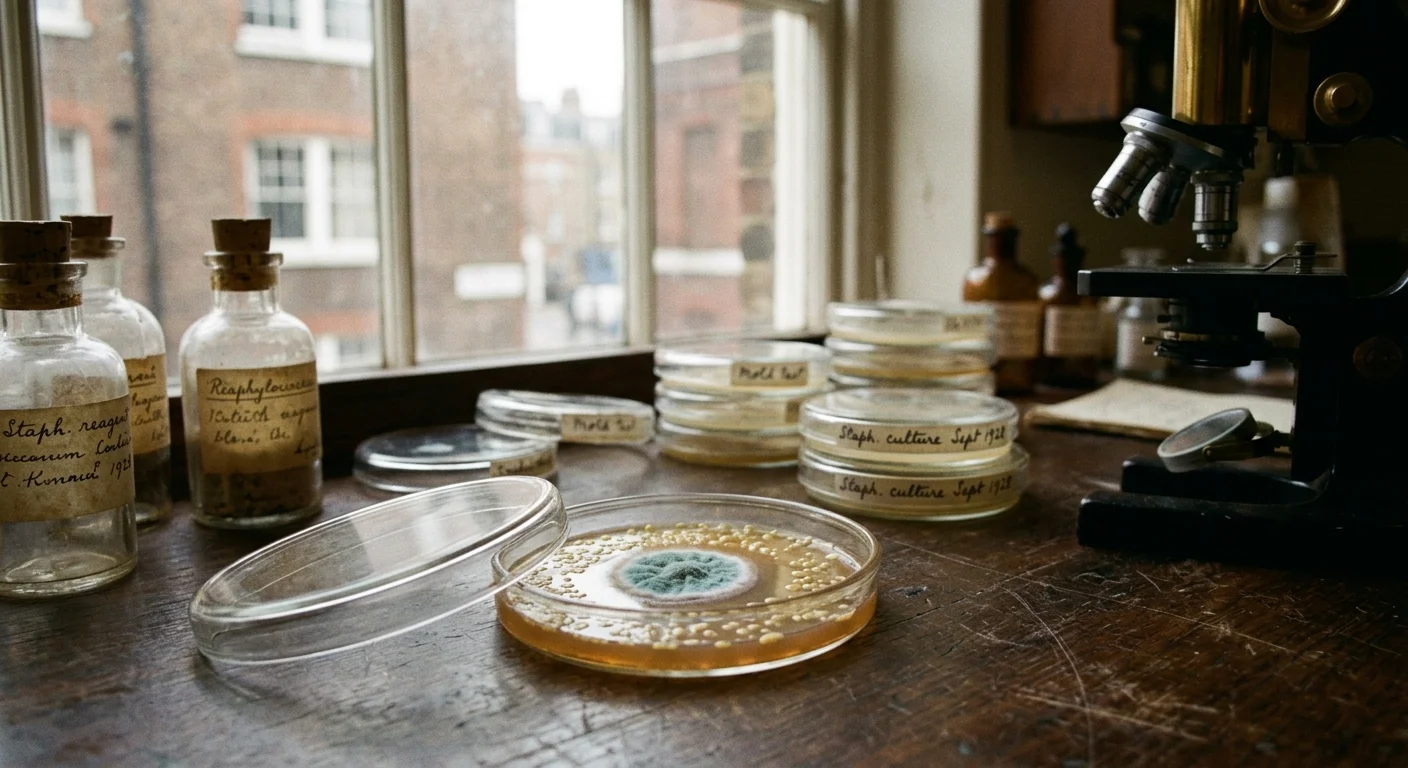
Scottish bacteriologist Alexander Fleming returned to St. Mary’s Hospital in London on September 3, 1928, after an extended summer holiday, finding his laboratory bench cluttered with discarded culture plates. A stray spore of the mold Penicillium notatum had contaminated a Petri dish containing Staphylococcus bacteria, producing a distinct, clear perimeter where bacterial growth stopped entirely. Rather than washing the ruined dish, Fleming isolated the active broth and observed its remarkable ability to dissolve lethal pathogens. Oxford University researchers Ernst Chain and Howard Florey subsequently purified and stabilized the molecule, devising industrial fermentation processes during World War II that enabled mass production. This breakthrough earned the three scientists the 1945 Nobel Prize in Physiology or Medicine and inaugurated the modern antibiotic era, saving hundreds of millions of lives.
2. X-Rays and the Glowing Fluorescent Screen
On November 8, 1895, German physicist Wilhelm Conrad Röntgen experimented with electrical discharges inside high-voltage, evacuated Crookes tubes at the University of Würzburg. Röntgen encased his glass tube in heavy black cardboard to block visible light emissions; nevertheless, a paper screen coated with barium platinocyanide began glowing several feet away. He realized that an unrecorded form of penetrating radiation passed effortlessly through cardboard, wood, and human soft tissue while casting shadows of denser bone. Röntgen named the phenomenon X-rays—using the mathematical symbol for an unknown variable—and captured a radiograph of his wife Anna Bertha Ludwig’s hand, revealing her skeletal fingers and ring. Refusing to patent his findings so clinicians worldwide could freely deploy the diagnostic tool, Röntgen received the inaugural 1901 Nobel Prize in Physics.
3. Radioactivity and the Overcast Parisian Sky
French physicist Henri Becquerel sought to prove in March 1896 that phosphorescent uranium salts emitted X-rays after prolonged exposure to bright sunlight. Thick cloud cover over Paris interrupted his work, forcing Becquerel to store his photographic plates wrapped in opaque black paper inside a dark wooden desk drawer alongside samples of potassium uranyl sulfate. When he developed the plates days later, expecting faint silhouettes, he observed dark, fully exposed impressions where the minerals had rested. Becquerel realized the uranium compound generated powerful penetrating rays spontaneously without external energy input. This accidental observation overturned classical physics, prompted Marie and Pierre Curie to isolate radium and polonium, and secured the 1903 Nobel Prize in Physics for revealing the spontaneous breakdown of atomic nuclei.
4. Mauveine and the Synthetic Dye Revolution
During Easter break in 1856, eighteen-year-old British chemistry student William Henry Perkin attempted to synthesize quinine—a vital antimalarial alkaloid harvested from South American cinchona trees—in his makeshift attic laboratory. Treating coal tar derivatives with potassium dichromate yielded a foul, muddy residue instead of colorless medicine. Rather than discarding the failed experiment, Perkin cleaned the glassware with alcohol and noticed the sludge dissolved into an intense, brilliant purple dye. The substance bonded permanently to silk and wool without fading in sunlight or washing. Perkin patented the synthetic pigment as mauveine in August 1856 and constructed an industrial manufacturing plant. His unintended success launched the synthetic dye trade, establishing the commercial foundations for modern organic chemistry and pharmaceutical engineering.
5. Teflon and the Polymerized Refrigerant
DuPont chemist Roy J. Plunkett searched for safe, nonflammable chlorofluorocarbon refrigerants at the Jackson Laboratory in New Jersey on April 6, 1938. After storing a hundred-pound cylinder of compressed tetrafluoroethylene (TFE) gas in dry ice, Plunkett opened the release valve, but no gas escaped despite the container retaining its full original weight. He sawed the steel canister open and discovered that the pressurized molecules had polymerized into a white, waxy powder known as polytetrafluoroethylene (PTFE). The substance exhibited incredible chemical inertness, high thermal stability, and unprecedented slipperiness. DuPont patented PTFE in 1941 and registered the trademark Teflon in 1945. Today, PTFE lines critical industrial valves, coats nonstick cookware, protects aerospace wiring, and forms biocompatible synthetic vascular grafts in modern surgery.
6. The Microwave Oven and the Melted Confection
American engineer Percy Spencer tested active cavity magnetrons for military radar systems at Raytheon in 1945 when he noticed a peanut cluster candy bar in his pocket had completely melted into liquid. Spencer recognized that the high-frequency radio waves generated by the magnetron tube rapidly agitated water molecules within the confection, generating thermal energy. He verified his hypothesis by placing unpopped popcorn kernels near the energized tube, watching them explode across his workstation, followed by a raw egg that burst from pressurized steam. Raytheon filed a patent on October 8, 1945, and introduced the first commercial microwave oven, the 750-pound Radarange, in 1947. Spencer’s observation altered food preservation, domestic cooking, and industrial drying technologies across the globe.
7. The Implantable Cardiac Pacemaker and the Mismatched Resistor
While constructing an electronic recording oscillator at the University of Buffalo in 1956 to log rapid heart sounds, American electrical engineer Wilson Greatbatch reached into a component box and accidentally pulled out a 1-megaohm resistor instead of a 10,000-ohm resistor. When he inserted the component into the circuit, the device produced a periodic electrical pulse for 1.8 milliseconds followed by a one-second pause, mimicking the rhythmic cadence of a healthy human heartbeat. Greatbatch recognized that this steady electrical impulse could stimulate diseased heart muscle directly. He encased the transistorized circuit in biocompatible epoxy powered by compact mercury batteries, achieving the first successful human clinical implantation in 1960. His simple wiring mistake established modern cardiac electrophysiology and has sustained millions of patients worldwide.
8. Cosmic Microwave Background Radiation and Antenna Static
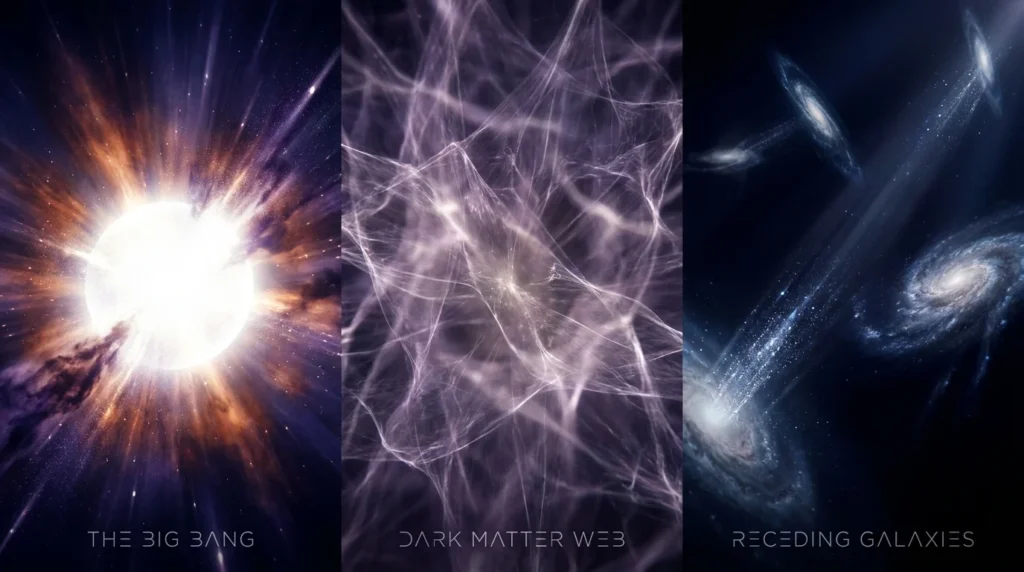
In May 1964, radio astronomers Arno Penzias and Robert Wilson calibrated a sensitive 20-foot horn antenna at Bell Laboratories in Holmdel, New Jersey, to detect faint radio emissions from the Milky Way. They encountered a persistent, uniform background hiss corresponding to an antenna temperature of 3.5 Kelvin that remained identical in all directions, day and night. After evicting nesting pigeons, cleaning bird droppings, and replacing internal circuitry, the anomalous microwave noise persisted. Nearby Princeton University astrophysicists realized the static matched theoretical predictions for the Cosmic Microwave Background, the cooled thermal radiation left behind by the Big Bang. Penzias and Wilson received the 1978 Nobel Prize in Physics for providing the foundational observational proof for modern cosmological evolution.
Global Economic and Clinical Implications
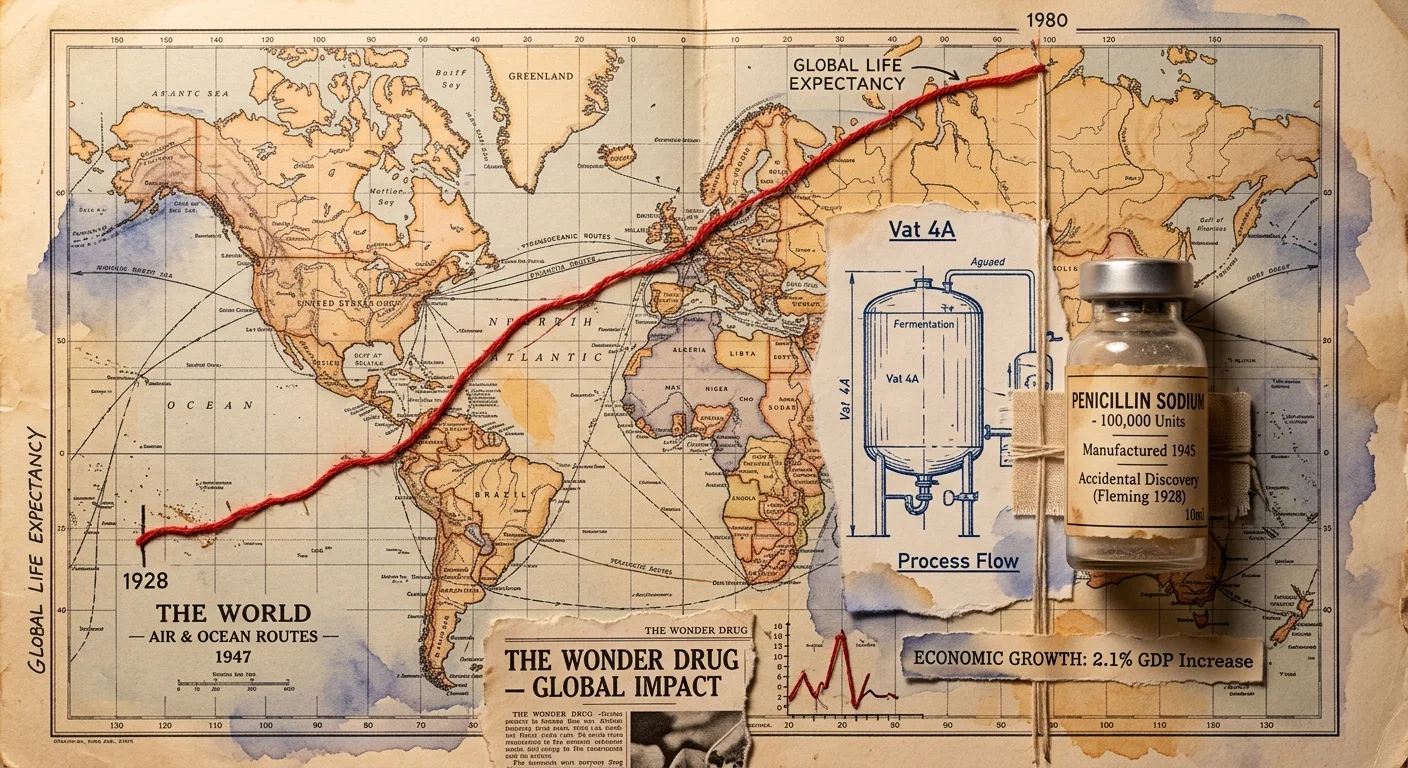
Accidental discoveries demonstrate how basic scientific inquiry produces colossal socioeconomic returns that no central planning committee could predict. When you evaluate the industrial output traced to Perkin’s purple dye or Plunkett’s polymerized fluoropolymer, you observe global markets exceeding hundreds of billions of dollars across textiles, semiconductors, and specialized manufacturing. In clinical medicine, the unplanned isolations of penicillin, X-rays, and cardiac pacemakers fundamentally transformed public health infrastructure, extending average human life expectancy by decades across developing and industrialized nations alike. Furthermore, serendipitous breakthroughs often bridge distant disciplines; military radar research gave rise to commercial culinary appliances, while telecommunications antenna maintenance verified the birth of the universe. When nations invest broadly in fundamental exploratory science, they cultivate the fertile ground required for these serendipitous transformations to occur.

Expert Perspectives on the Prepared Mind
The legendary French microbiologist Louis Pasteur famously remarked that chance favors only the prepared mind, capturing the essential truth behind every accidental breakthrough. Contemporary research leaders emphasize that scientific accidents remain worthless unless an investigator possesses the theoretical framework necessary to recognize anomalies. As highlighted in research published across Science, breakthrough discoveries frequently stem from non-linear research pathways where investigators possess the intellectual freedom to pivot away from original grant objectives. Fostering institutional environments that tolerate unexpected experimental outcomes ensures that valuable deviations are rigorously analyzed rather than buried. When you encourage scientific curiosity alongside disciplined methodology, you create an environment where laboratory mistakes become transformative discoveries.
Frequently Asked Questions
How often do major scientific breakthroughs happen by chance?
Historical analyses of patent records and landmark academic publications indicate that between 30 and 50 percent of major scientific breakthroughs involve some degree of serendipity. While researchers rarely set out without a clear hypothesis, the complex behavior of chemical compounds, biological organisms, and physical forces regularly produces unexpected reactions that redirect the primary investigation.
What role does scientific training play when an experiment fails?
Rigorous scientific training provides you with the baseline knowledge required to distinguish between simple operator error and a genuine physical anomaly. Untrained individuals overlook strange precipitate, noise, or biological inhibition as ruined trials, whereas trained scientists recognize when an unexpected result contradicts established theory, prompting immediate, systematic inquiry.
Can artificial intelligence predict or generate accidental discoveries?
Machine learning models and autonomous laboratory systems excel at identifying subtle anomalies within massive datasets that human researchers might miss. However, artificial intelligence relies on historical training data; it takes human intuition, cross-disciplinary synthesis, and creative reasoning to understand the broader technological or medical significance of an unexpected result.
Why do funding agencies often resist serendipity-driven research?
Modern grant agencies and corporate institutions typically require rigid milestones, predictable timelines, and predefined deliverables to justify capital allocation. This bureaucratic structure often discourages high-risk exploratory work, though many institutions now introduce flexible exploration funds to allow scientists to pursue unexpected laboratory deviations without losing their core financial backing.
The Forward Look: Serendipity in Autonomous Laboratories
As research institutions integrate robotics, high-throughput screening, and automated chemical synthesis, the nature of serendipitous discovery is undergoing a technological revolution. Autonomous laboratories running continuous microfluidic experiments can test thousands of molecular combinations daily, flagging unusual reactions with extreme precision. Meanwhile, space exploration platforms, such as the James Webb Space Telescope, continuously collect spectral data that challenge existing astrophysical models, presenting new anomalies that demand creative interpretation. Sustaining breakthroughs requires funding models that reward scientific agility, empowering researchers to chase unexpected observations wherever they lead. By keeping an observant mind and embracing experimental deviations, scientists will continue to turn unpredictable laboratory surprises into the defining technologies of tomorrow.