The remaining veterans of the Second World War represent a remarkable demographic anomaly, providing you with invaluable blueprints for exceptional human longevity. By studying how these individuals navigated early-life trauma to reach their late nineties and beyond, you can apply proven strategies for healthy aging to your own life. Only a tiny fraction of the original sixteen million American service members are still alive today, forming an exclusive cohort of resilient centenarians. Their extraordinary lifespans challenge conventional wisdom regarding biological decay and long-term veteran health. Exploring their extensive medical histories reveals actionable insights into how robust social networks, lifelong movement, and purpose-driven living can effectively stave off cognitive decline and chronic disease for over a century.
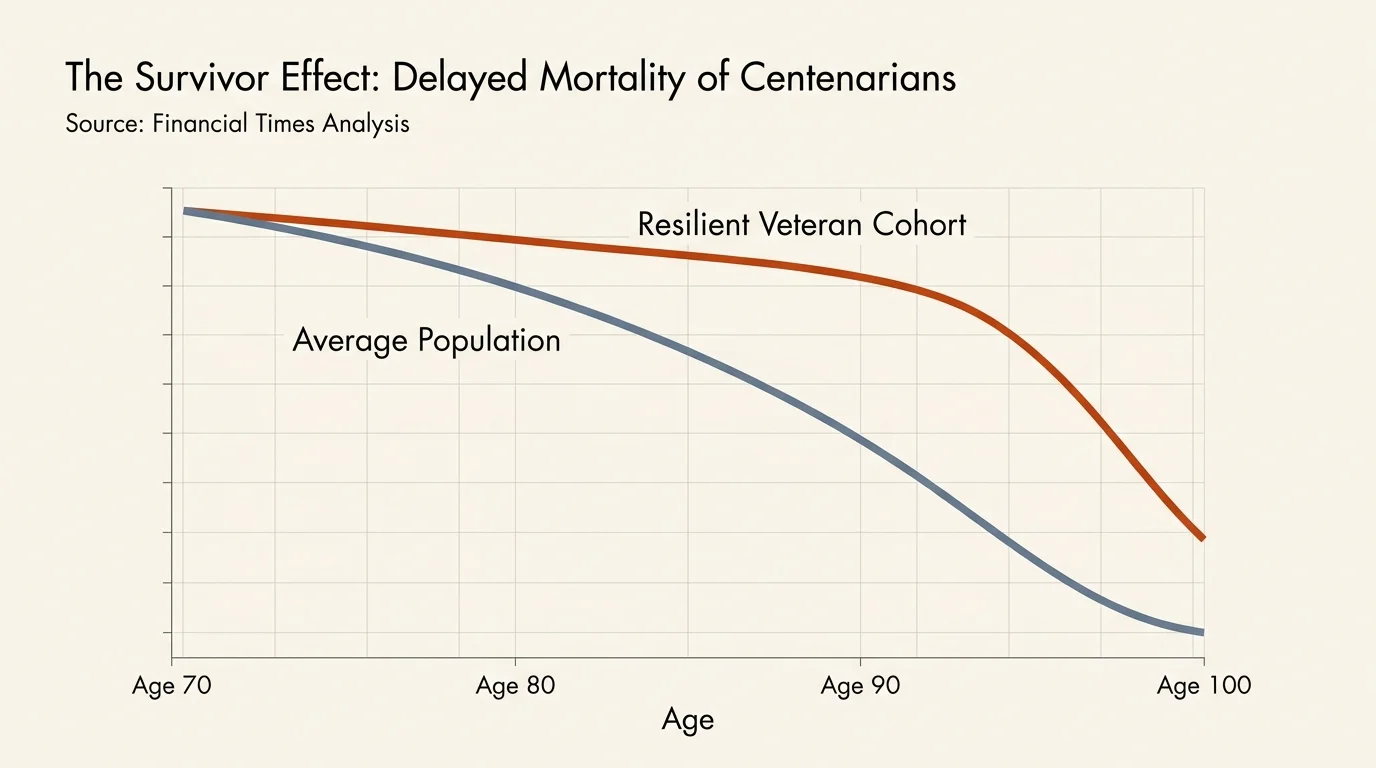
Fact 1: The Biology of the Survivor Effect
Epidemiologists use the term “survivor effect” to describe individuals who possess the unique genetic and behavioral traits required to outlive their peers. America’s remaining WWII veterans exemplify this phenomenon perfectly. Having lived well past average life expectancy, these centenarians offer you a living model of disease resistance. Their bodies successfully bypassed or delayed the major killers—heart disease, cancer, and stroke—that typically claim lives during the seventh and eighth decades. Examining their lifestyle patterns reveals that many combined a strong genetic foundation with rigorous adherence to daily routines. You can emulate this survivor effect by building consistent health habits early, recognizing that extreme longevity requires actively maintaining your physiological reserves long before you reach old age.
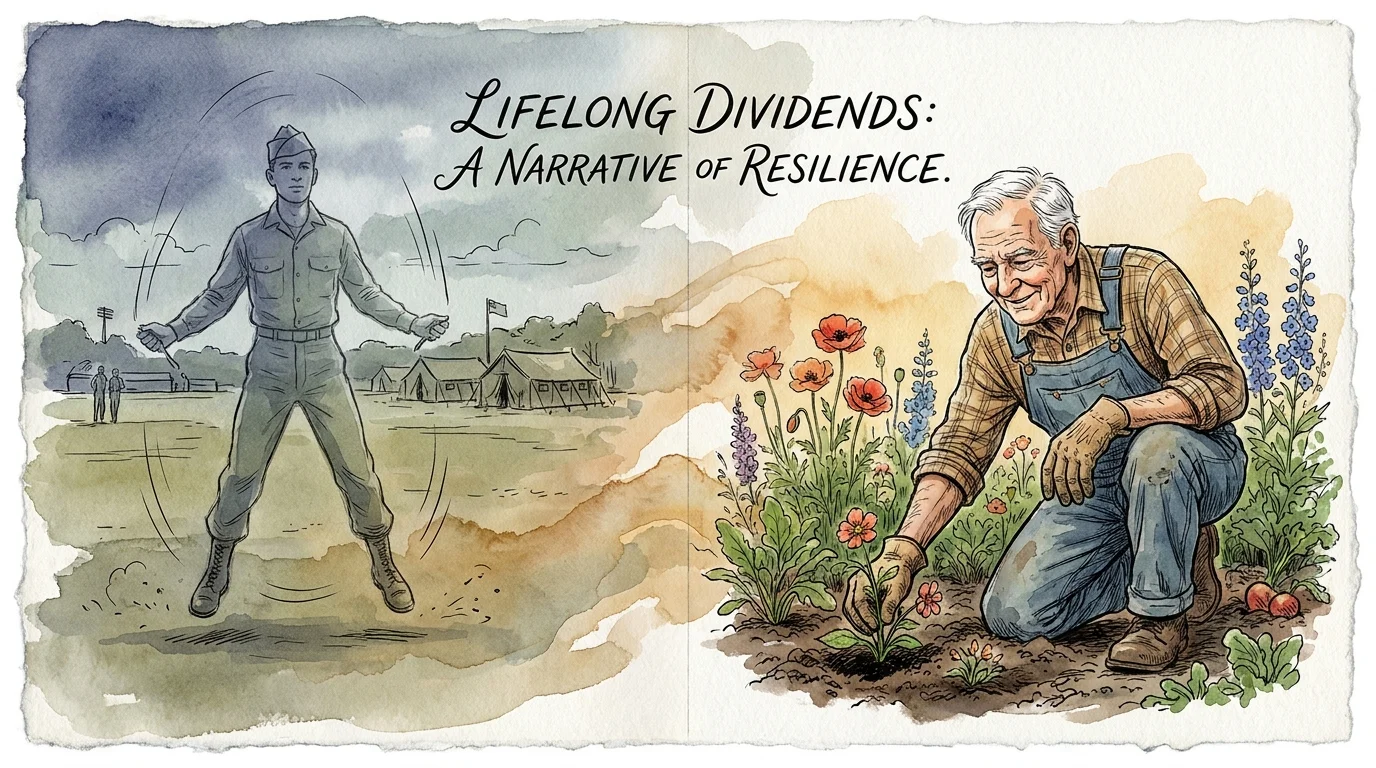
Fact 2: Lifelong Dividends of Early-Life Physical Conditioning
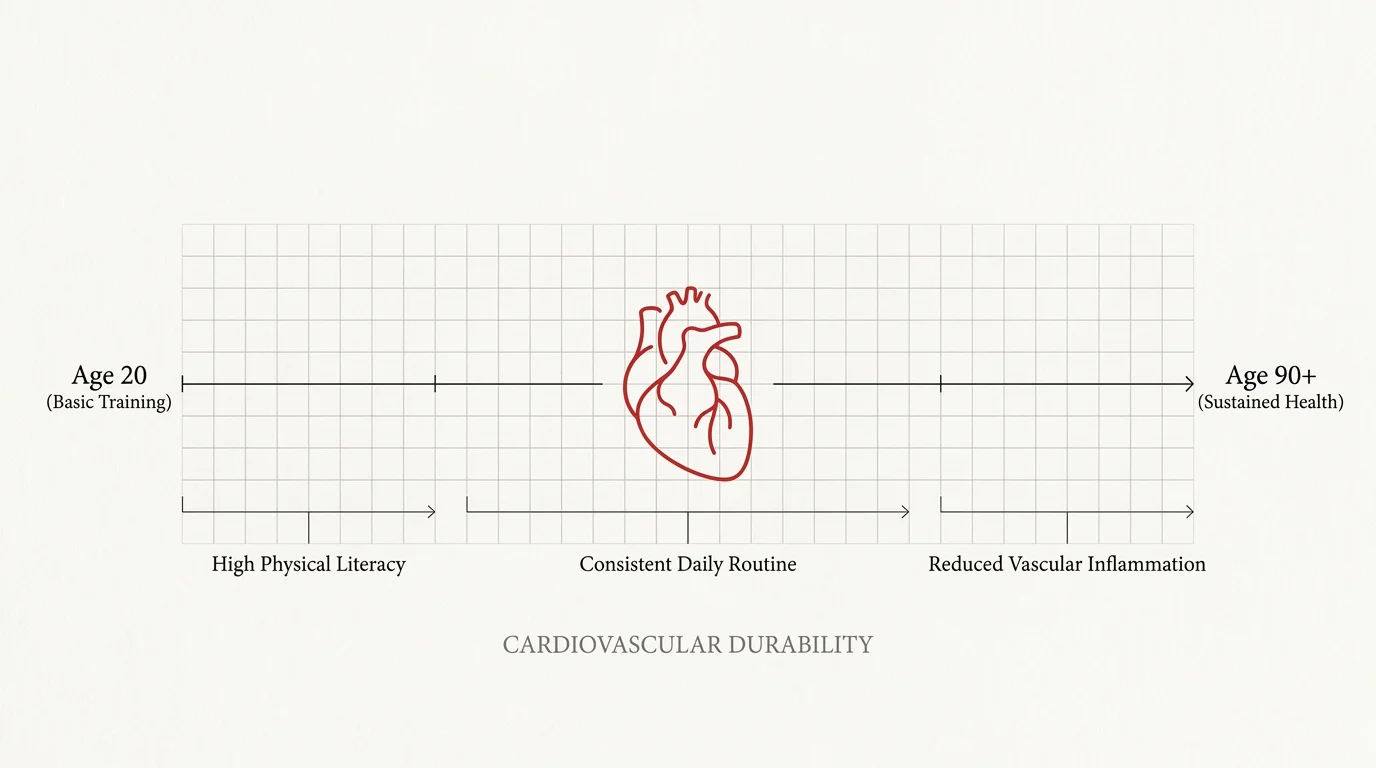
Basic training during the 1940s demanded intense physical output, stripping away sedentary habits and establishing a baseline of rigorous physical literacy. This early-life conditioning created a metabolic setpoint that benefited these military veterans for decades. Gerontologists note that peak muscle mass developed in your twenties provides a critical buffer against sarcopenia—the age-related loss of skeletal muscle—later in life. Many remaining veterans maintained walking, calisthenics, or manual labor routines long after their service ended. You can apply this insight by prioritizing regular cardiovascular and resistance training today. Building and preserving lean muscle mass right now serves as your best defense against frailty, bone fractures, and mobility loss as you age.
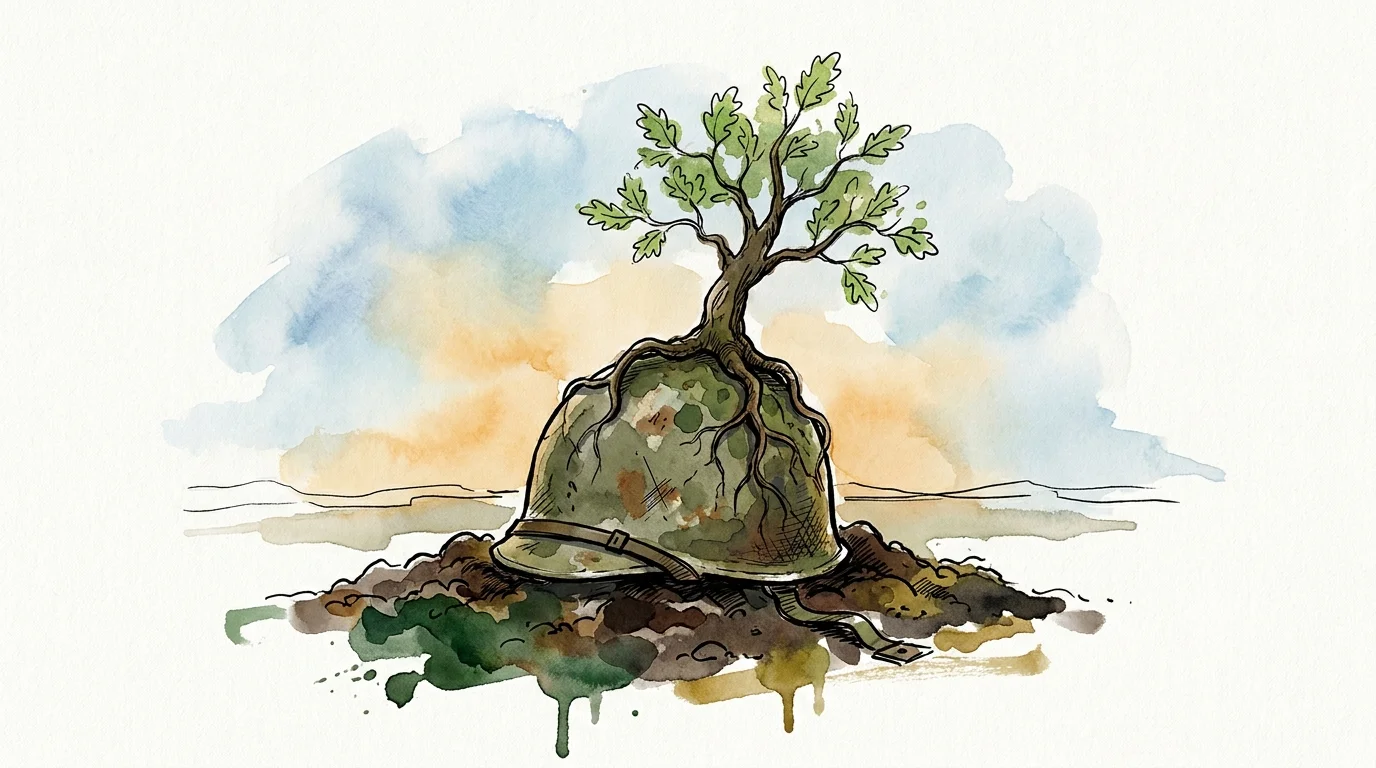
Fact 3: Complex Trajectories of Trauma and Resilience
While modern medicine rightly emphasizes early intervention for Post-Traumatic Stress Disorder, the WWII generation returned to a society that barely acknowledged combat trauma. Surprisingly, many of these veterans demonstrated profound psychological hardiness, leveraging community integration and forward momentum to process their experiences. Their coping mechanisms offer you a fascinating study in post-traumatic growth. Rather than remaining isolated, many poured their energy into building businesses, families, and civic organizations. You can harness this principle of psychological resilience by channeling hardships into purpose-driven activities. Engaging deeply with your community and focusing on constructive goals helps regulate your nervous system and significantly reduces long-term inflammatory markers associated with chronic stress.
Fact 4: Slower Rates of Cognitive Decline
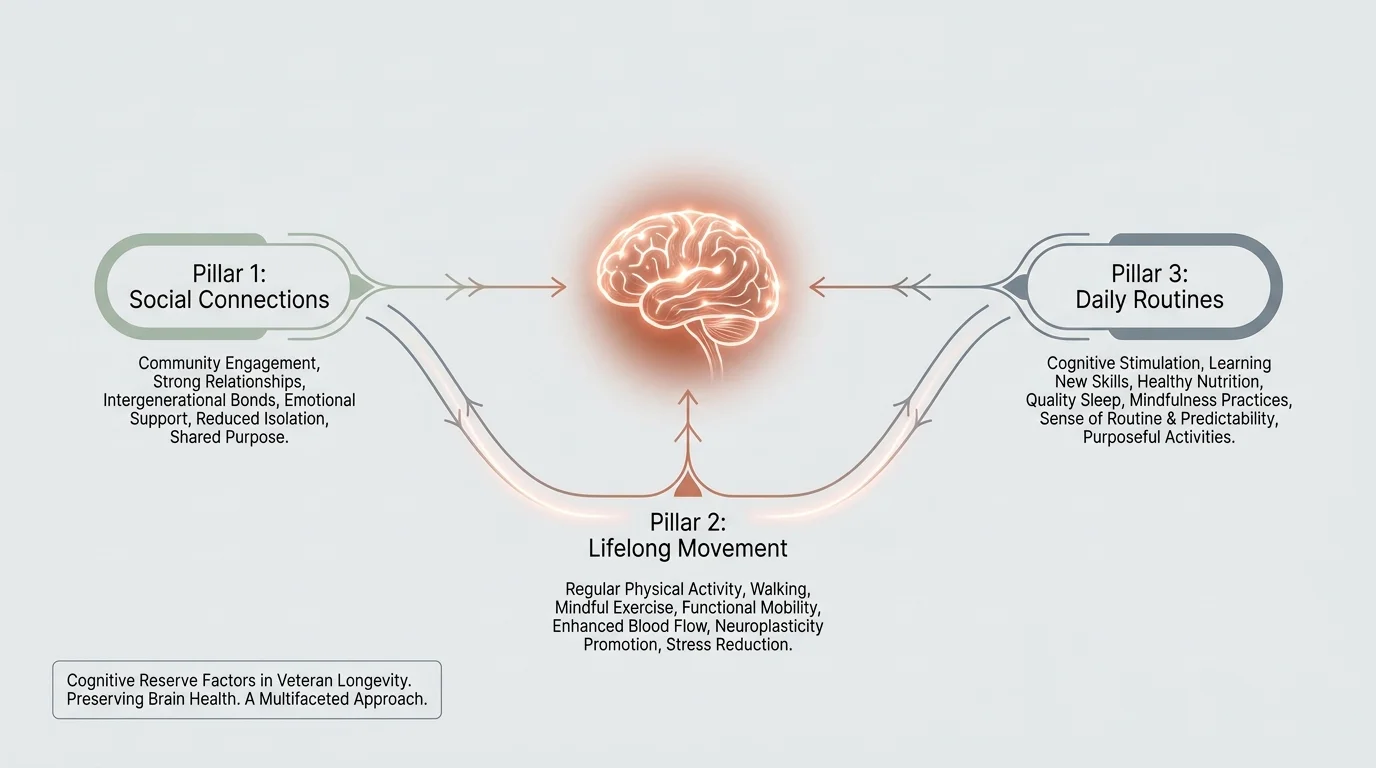
Dementia and Alzheimer’s disease represent towering threats to senior health, yet many remaining WWII veterans display exceptional cognitive preservation. Researchers analyzing National Institute on Aging data observe that individuals who reach age one hundred often experience a compressed period of cognitive decline, maintaining sharp faculties right up until the end of their lives. For these veterans, lifelong learning, complex social interactions, and active problem-solving served as daily mental workouts. You can build your own cognitive reserve by consistently challenging your brain with novel tasks—such as learning a new language, mastering a musical instrument, or navigating unfamiliar environments. This active engagement strengthens neural pathways and provides a robust defense against the structural brain changes that drive age-related memory loss.
Fact 5: Navigating Service-Connected Hearing Loss
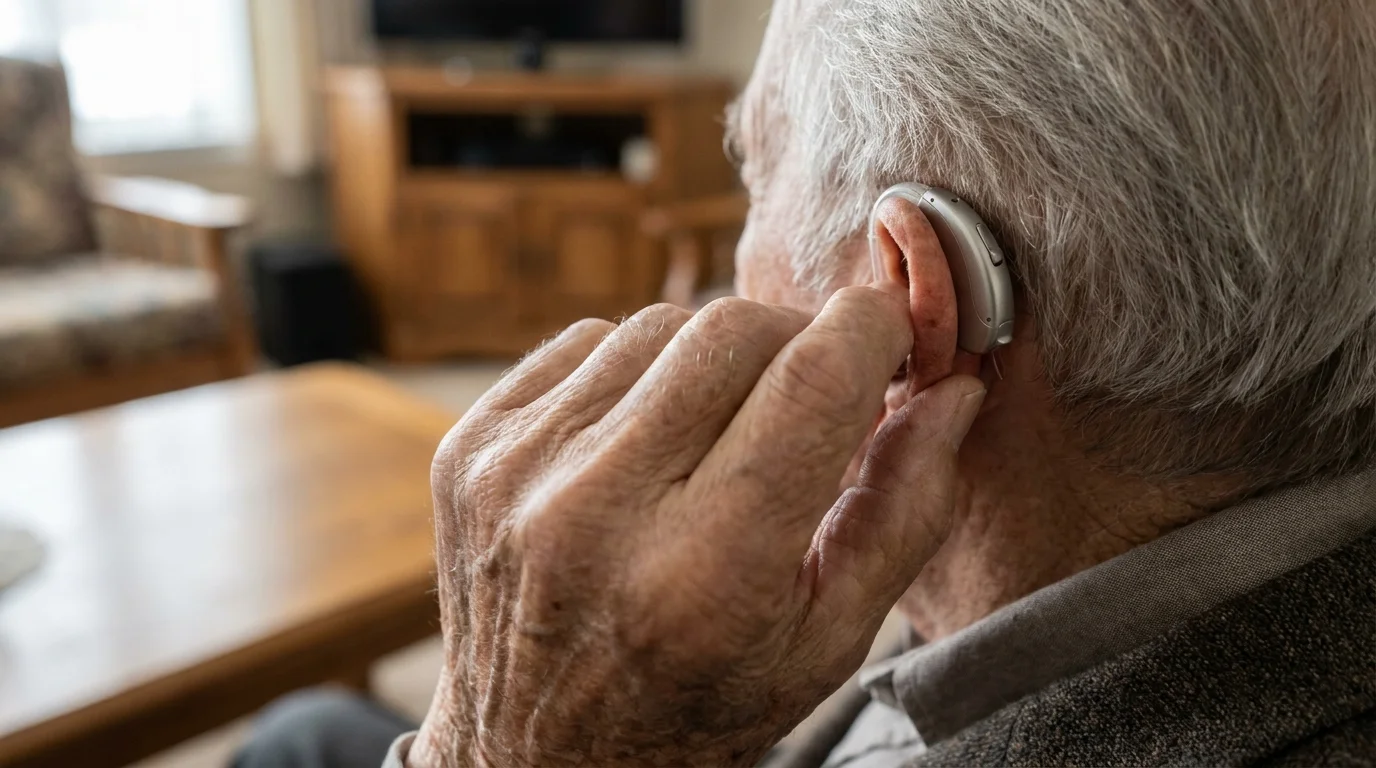
Exposure to deafening artillery, aircraft engines, and continuous gunfire without modern auditory protection left a lasting physical legacy on this cohort. Consequently, hearing loss and tinnitus rank among the most pervasive health challenges for WWII veterans. Modern science now clearly links untreated hearing loss to an accelerated risk of cognitive decline, as the brain strains to decode muffled sounds at the expense of memory and processing power. You can protect your long-term cognitive health by taking auditory damage seriously. Wear high-quality ear protection in loud environments and seek regular audiology screenings. If you require hearing aids, use them consistently; restoring your auditory input keeps your brain actively engaged with your surroundings and drastically reduces your risk of social isolation.
Fact 6: Remarkable Cardiovascular Durability
The cardiovascular systems of centenarian veterans show an astonishing capacity to withstand the compounding stress of aging. While arterial stiffening naturally occurs over time, the remaining WWII cohort often demonstrates superior endothelial function—the ability of blood vessels to constrict and dilate efficiently. This vascular elasticity likely stems from a combination of lower early-life obesity rates and sustained physical movement. You can support your own cardiovascular durability by monitoring your blood pressure and maintaining excellent metabolic health. Prioritize activities that elevate your heart rate and keep your circulatory system flexible. By managing your lipid profiles and minimizing systemic inflammation today, you invest directly in the structural integrity of your heart and blood vessels for decades to come.
Fact 7: The Lifespan Benefits of Deep Social Cohesion
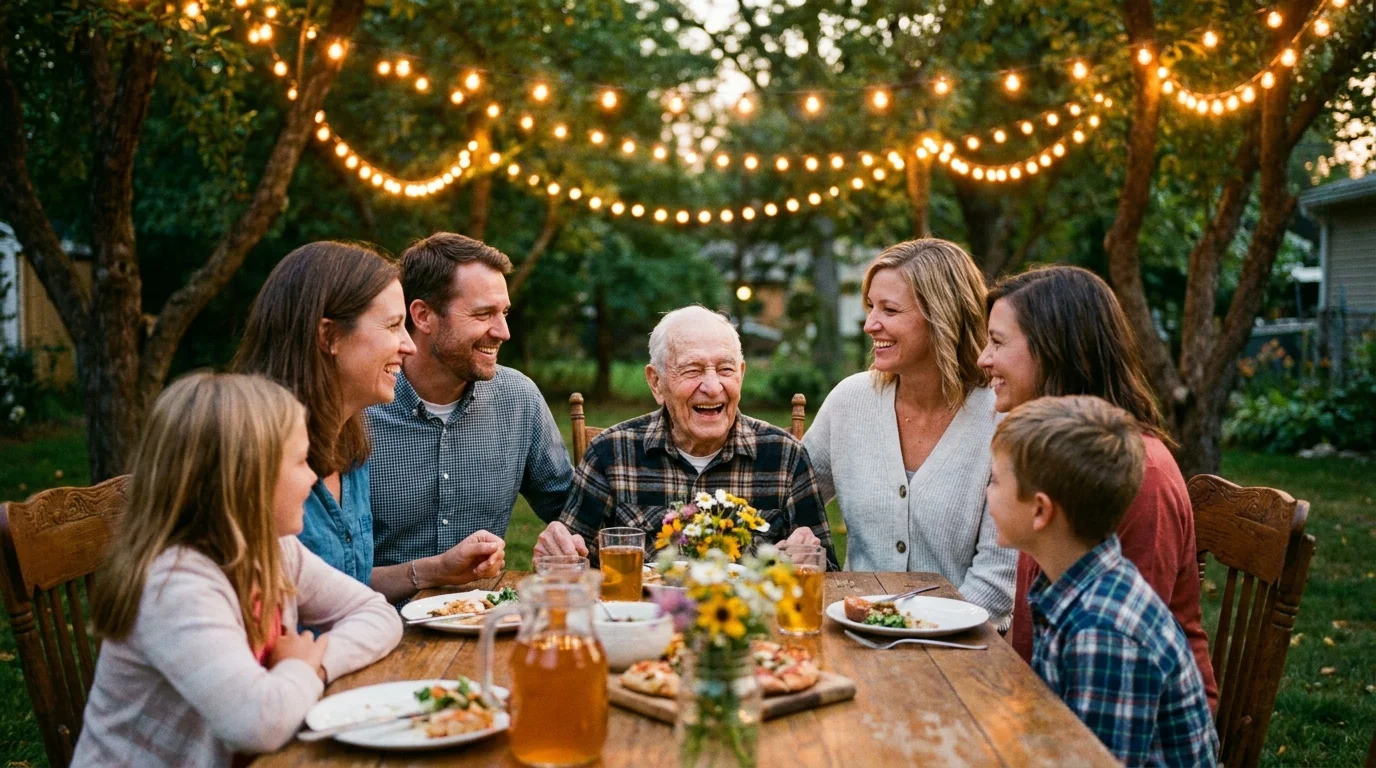
Military service forged unbreakable bonds among the WWII generation, creating a powerful social framework known widely as the “Band of Brothers” effect. This deep social cohesion translates directly into biological benefits. Strong interpersonal connections stimulate the release of oxytocin, which naturally lowers cortisol levels and suppresses systemic inflammation. These veterans often maintained their military friendships and actively participated in local veterans’ organizations throughout their civilian lives. You can leverage the biology of belonging by actively cultivating your own close-knit social network. Prioritize face-to-face interactions, join community groups, and nurture deep friendships. A robust support system acts as a biological shield, lowering your risk of depression, improving your immune response, and adding healthy years to your lifespan.
Fact 8: Pioneering Changes in Geriatric Care Utilization
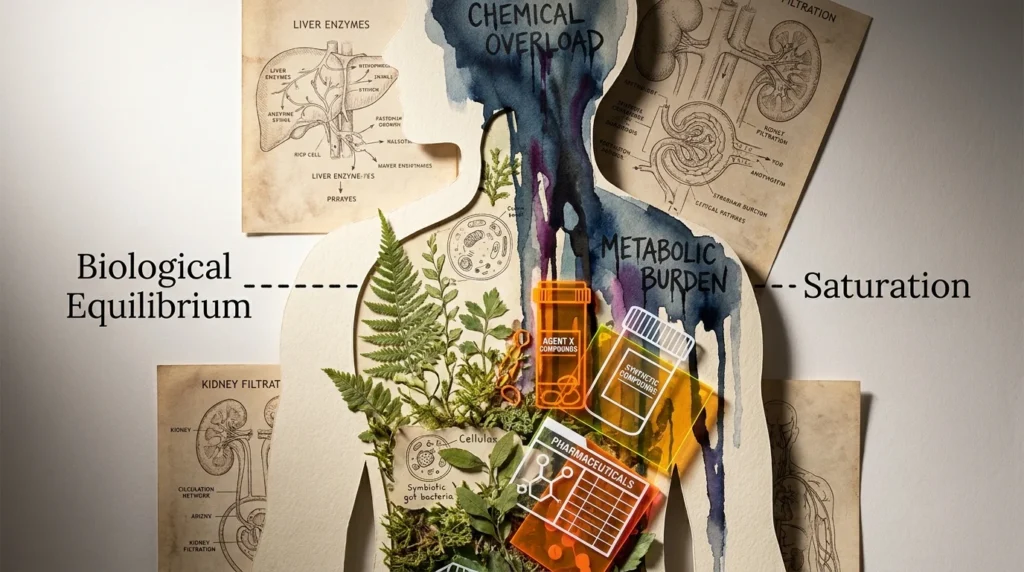
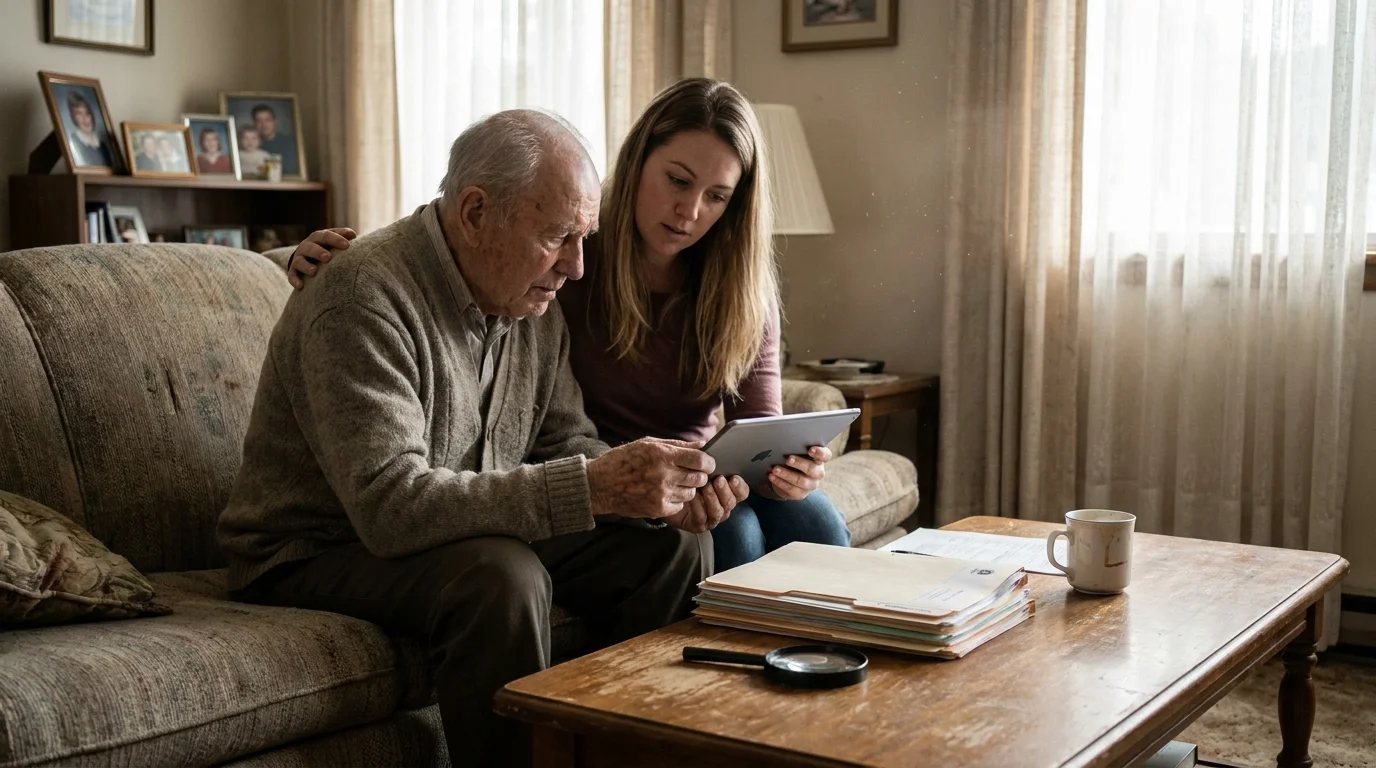
The unprecedented aging of the WWII veteran population forced healthcare systems to evolve rapidly. As these individuals entered their nineties and hundreds, the Department of Veterans Affairs geriatrics research programs had to shift focus from acute interventions to managing complex, compounding chronic conditions. A major clinical takeaway from their care involves the critical practice of deprescribing—systematically reducing unnecessary medications to prevent dangerous drug interactions in older adults. You can apply this healthcare insight by proactively reviewing your medications and supplements with your primary care physician every year. Advocating for a minimalist, highly targeted approach to pharmacology reduces your risk of side effects and ensures your treatment plan supports your overall vitality rather than merely masking symptoms.
Fact 9: Epigenetic Advantages of Caloric Moderation
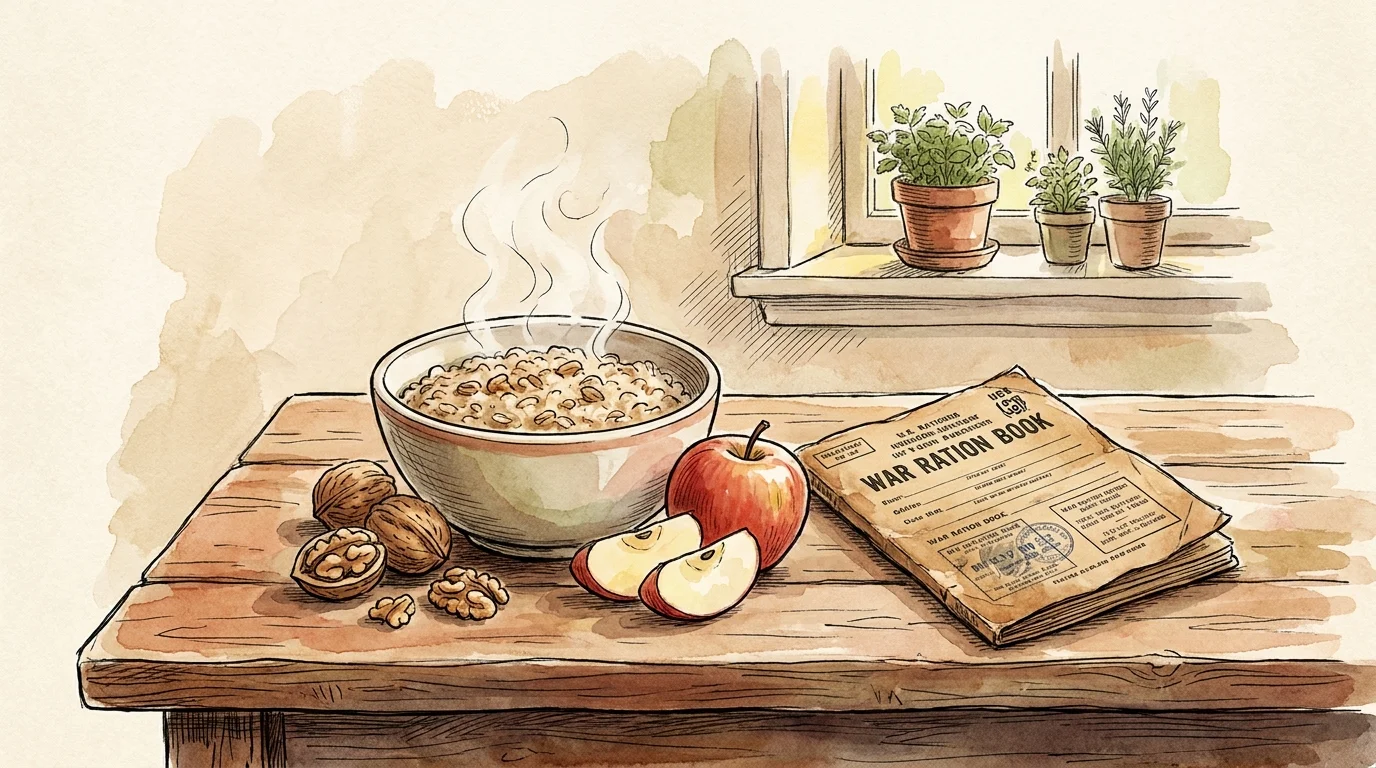
Growing up during the Great Depression and serving through global military rationing forced the WWII generation to adapt to scarce resources. While extreme deprivation harms human health, the moderate caloric restriction and reliance on whole, unprocessed foods they experienced early in life likely provided distinct epigenetic advantages. Cellular biology shows that periods of low caloric intake activate survival genes that repair DNA and clear away cellular debris. You can capture similar metabolic benefits by avoiding ultra-processed foods and practicing mindful eating. Emphasizing nutrient-dense, whole foods while occasionally allowing your digestive system to rest helps regulate your insulin sensitivity, reduces oxidative stress, and closely mimics the protective dietary environment that helped these veterans achieve extreme longevity.

Fact 10: Psychological Hardiness and the Will to Live
Perhaps the most profound health fact about America’s remaining WWII veterans involves their enduring sense of mission. Gerontologists consistently find that individuals possessing a strong sense of purpose outlive those who lack clear direction. For many veterans, the sheer weight of surviving a global conflict instilled a profound obligation to live a life worthy of the sacrifices made by their fallen comrades. This psychological hardiness acts as an anchor during times of illness or personal loss. You can build your own psychological hardiness by defining your core values and committing to a purpose larger than yourself. Whether through volunteering, mentoring, or creative pursuits, maintaining a clear reason to wake up every morning profoundly enhances your physical and mental resilience.
Global Impact: Lessons for Aging Societies Worldwide
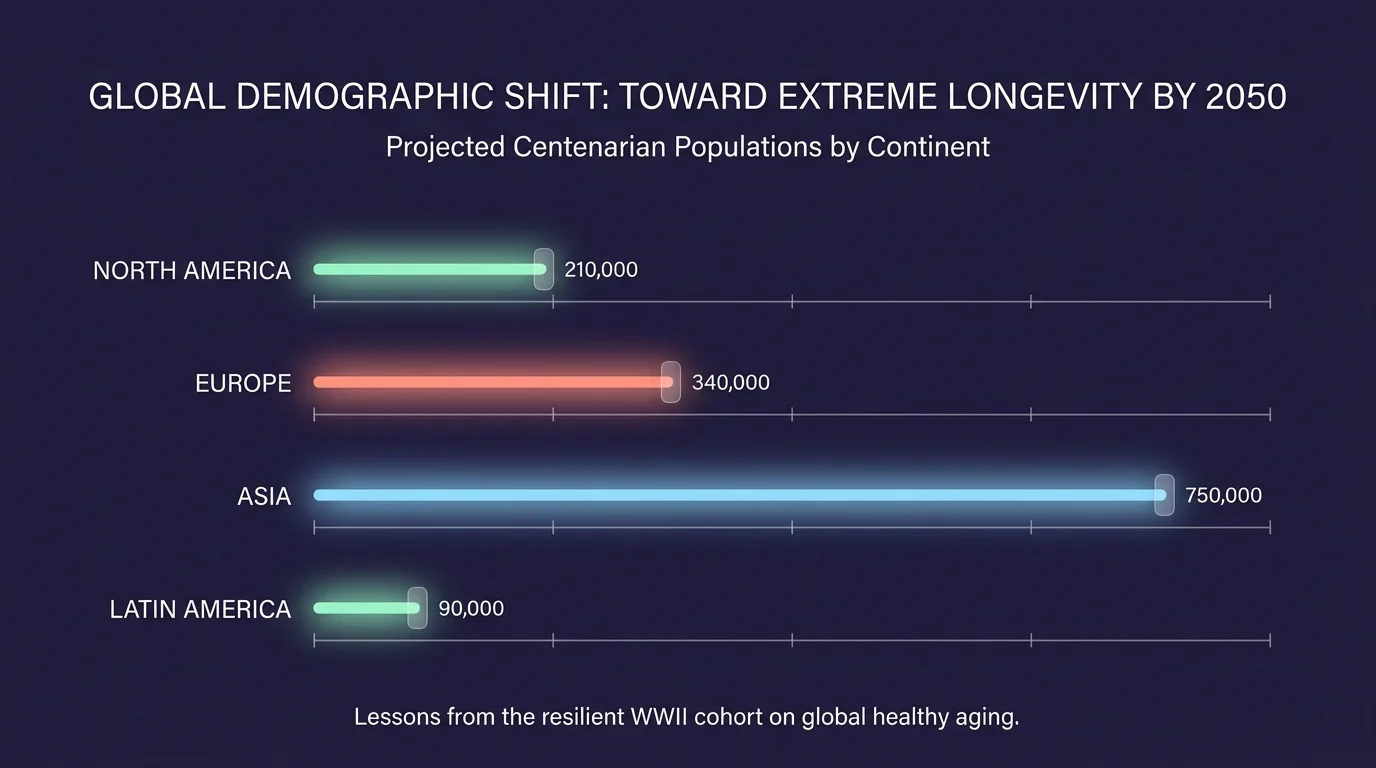
The extraordinary longevity of these veterans extends far beyond American borders, offering a vital case study for global public health. Nations across Europe and Asia face rapidly aging populations, prompting health organizations to urgently study cohorts that navigate the upper limits of human lifespan. When officials analyze the lifestyle factors of surviving veterans, they find direct parallels with habits observed in the world’s renowned Blue Zones. The World Health Organization guidelines on aging increasingly emphasize the principles these veterans embody: proactive community building, continuous physical movement, and preventative cardiovascular care. By translating the lived experiences of these centenarians into actionable policies, global leaders can design urban environments and healthcare systems that empower civilians to achieve healthier, vibrant older age.
Expert Voices: Perspectives on Veteran Longevity
Leading gerontologists view the remaining WWII veterans as an irreplaceable scientific resource. Clinicians studying this demographic emphasize that reaching one hundred years of age requires a harmonious alignment of genetics, environment, and personal choices. Experts within advanced longevity institutes point out that these veterans demonstrate a remarkable ability to rebound from acute medical events—such as infections or falls—that typically prove fatal for less resilient seniors. Researchers studying the cellular mechanics of aging note that their immune systems degrade much slower than average. The overarching consensus confirms that while you cannot alter your genetic inheritance, you maintain immense control over the behavioral factors governing how those genes express themselves over time.
Frequently Asked Questions About Senior Health and WWII Veterans
How many WWII veterans are still alive today?
Actuarial projections indicate that only a few thousand American WWII veterans remain alive today out of the original sixteen million who served. This exclusive group consists entirely of individuals in their upper nineties and well over one hundred years old. Their rapidly dwindling numbers make ongoing geriatric studies incredibly time-sensitive and valuable.
What can civilians learn from military veteran health routines?
Civilians can extract powerful health strategies from the veteran lifestyle, particularly regarding discipline and routine. Veterans often maintain highly structured daily schedules that prioritize morning physical activity, moderate eating habits, and rigorous personal hygiene. Adopting a structured approach to your own daily health habits reduces decision fatigue and ensures you consistently execute the behaviors necessary for long-term vitality.
Does early-life trauma always reduce lifespan?
Early-life trauma does not automatically guarantee a shortened lifespan, provided the individual secures adequate support and develops healthy coping mechanisms. While severe stress generally accelerates biological aging, many WWII veterans demonstrate that post-traumatic growth is entirely possible. Building a stable environment, finding a supportive community, and engaging in meaningful work can effectively counteract the physiological damage.
How has geriatric medicine adapted to treat centenarians?
Geriatric medicine has shifted from a disease-centric model to a function-centric model to better serve centenarians. Instead of aggressively treating every single ailment with invasive procedures, doctors now prioritize interventions that maximize mobility, comfort, and cognitive clarity. This adapted approach heavily relies on reducing pharmaceutical burdens and focusing on physical therapy to maintain the patient’s independence.
Forward Look: The Future of Healthy Aging Research
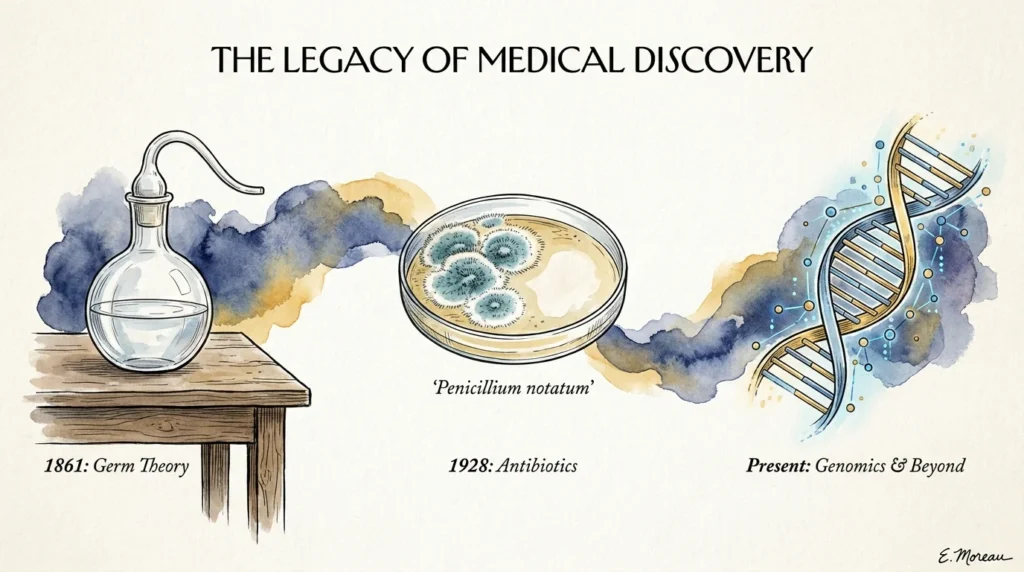
As the final members of the WWII generation pass on, they leave behind a vast archive of medical data that will fuel longevity research for decades. Scientists are currently sequencing the genomes of extreme agers to map the exact biological pathways that confer resistance to cellular decay. The integration of artificial intelligence into this genomic research promises to unlock new therapies capable of mimicking the survivor effect in the general population. Furthermore, comprehensive studies published in Nature aging research collections highlight ongoing clinical trials testing compounds that clear senescent cells and rejuvenate immune function. While the era of the WWII veteran is drawing to a close, their biological legacy will fundamentally shape the next frontier of human health, offering you and future generations the scientific tools needed to live longer, healthier lives.