Protecting your cognitive health as you enter your late sixties requires actionable, evidence-based strategies rather than passive hope. Recent breakthroughs in neuroscience reveal that your brain remains highly plastic and responsive to targeted lifestyle interventions well into older adulthood. By adopting specific physical, nutritional, and social habits, you can directly influence neurogenesis and build a robust cognitive reserve that resists age-related decline. Researchers have identified concrete biological pathways—from the glymphatic system that clears metabolic waste during sleep to the brain-derived neurotrophic factor released during aerobic exercise—that you can actively control. Mastering these seven scientifically validated methods empowers you to maintain memory function, preserve mental sharpness, and enhance your overall quality of life as you age.
The Science of Neuroplasticity: A Discovery Deep Dive
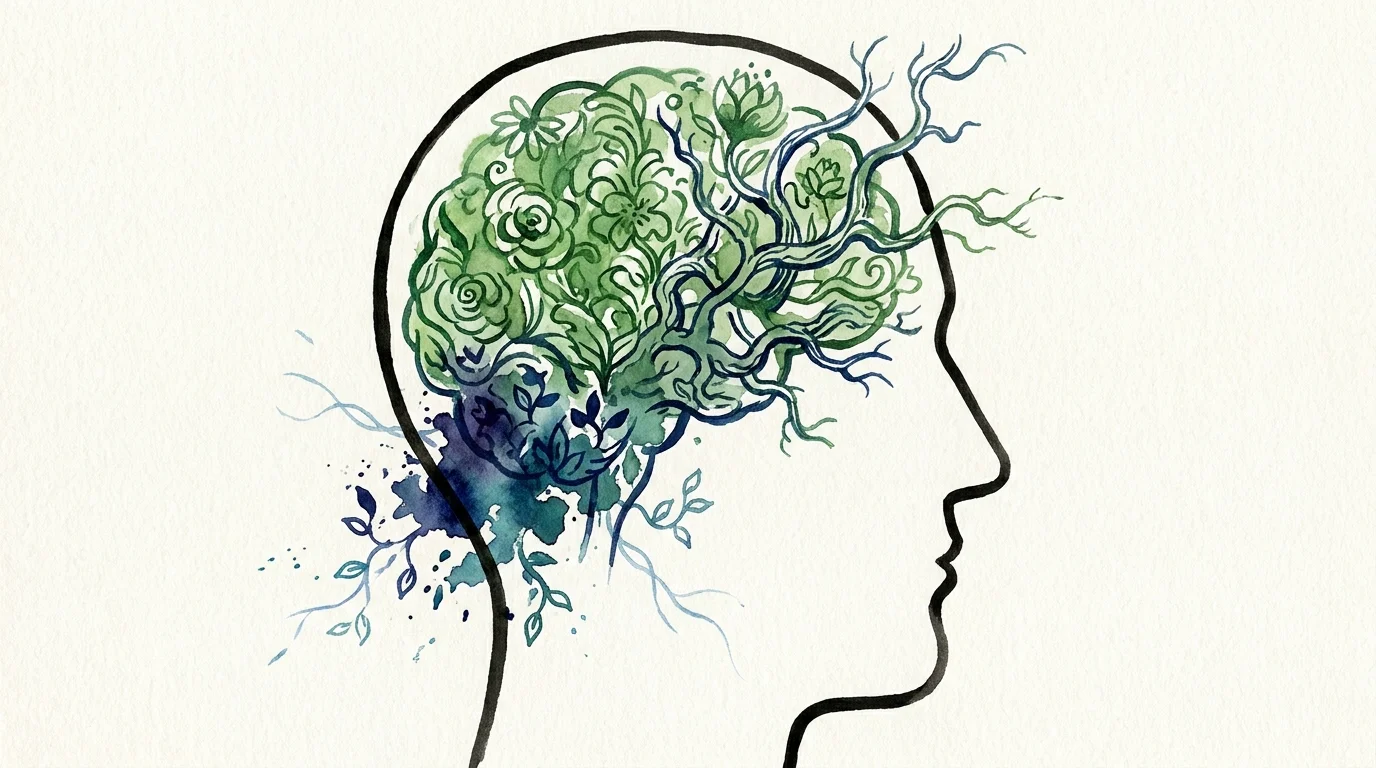
For decades, the medical consensus held that the human brain stopped generating new neurons in adulthood, leaving older adults with a steadily depleting reserve of cognitive function. Modern functional magnetic resonance imaging and advanced biomarker tracking have completely overturned this outdated paradigm. Scientists now understand that the adult brain constantly remodels itself in response to environmental demands and internal physical states. This ongoing structural adaptation, known as neuroplasticity, occurs intensely within the hippocampus—the specific region responsible for forming and retrieving memories. Rather than viewing the aging brain as a decaying machine, modern neuroscience approaches cognitive health for older adults as an active ecosystem that requires targeted cultivation. When you provide the right physiological inputs, your brain continues to build new synaptic connections and reinforce existing pathways, effectively creating a structural buffer against neurological decline.
1. Elevate Your Heart Rate to Stimulate Neurogenesis
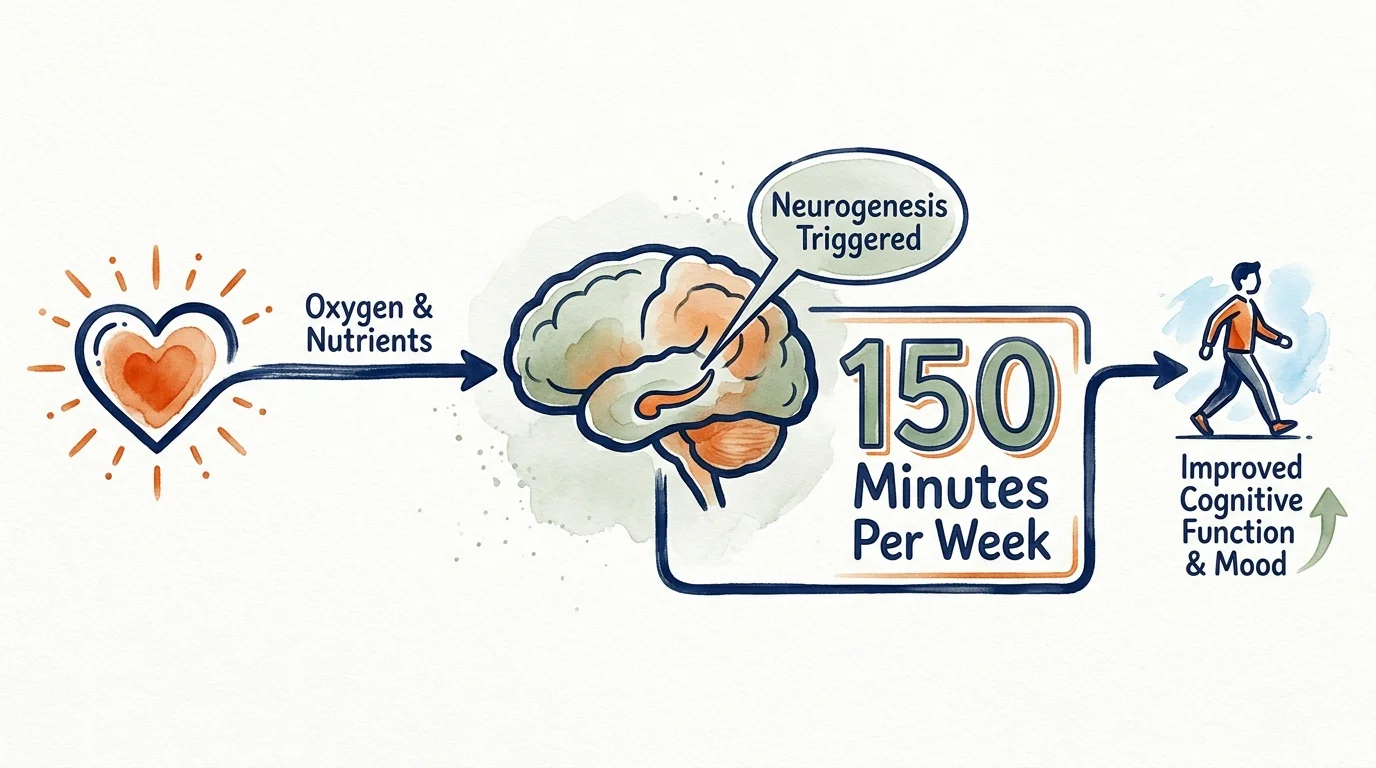
Cardiovascular exercise represents the single most powerful intervention you can implement to support memory retention and brain volume. When you elevate your heart rate through brisk walking, swimming, or cycling, your body increases blood flow to the brain, delivering dense concentrations of oxygen and nutrients. More importantly, aerobic exertion triggers your muscles to release a crucial protein called brain-derived neurotrophic factor. You can think of this protein as molecular fertilizer for your brain; it actively stimulates the survival of existing neurons while promoting the growth and differentiation of entirely new cells in the hippocampus. According to recent analyses in the journal Nature Reviews Neurology, older adults who maintain a consistent aerobic routine exhibit significantly greater gray matter volume compared to their sedentary peers. To harness this biological mechanism, aim for at least one hundred and fifty minutes of moderate-intensity cardiovascular exercise per week, pushing yourself just hard enough to break a light sweat while maintaining a conversation.

2. Fuel Cognitive Reserve with the MIND Diet
The foods you consume provide the raw architectural materials your brain uses to maintain its cellular membranes and regulate neurotransmitter production. Nutritional science heavily favors the MIND diet—a specialized hybrid of the Mediterranean and DASH dietary patterns specifically designed to protect against neurological decline. This protocol prioritizes leafy greens, berries, nuts, whole grains, and extra-virgin olive oil while actively restricting red meat, butter, cheese, and refined sugars. Dark berries, particularly blueberries and blackberries, contain high concentrations of anthocyanins; these powerful antioxidants cross the blood-brain barrier to neutralize free radicals and reduce neuroinflammation. Consuming omega-3 fatty acids found in wild-caught salmon and walnuts provides the exact structural lipids your brain requires to keep neuronal cell membranes flexible and efficient. Following the National Institute on Aging guidelines regarding dietary interventions can yield substantial neurological dividends, effectively rolling back your cognitive age and accelerating your daily mental processing speed.
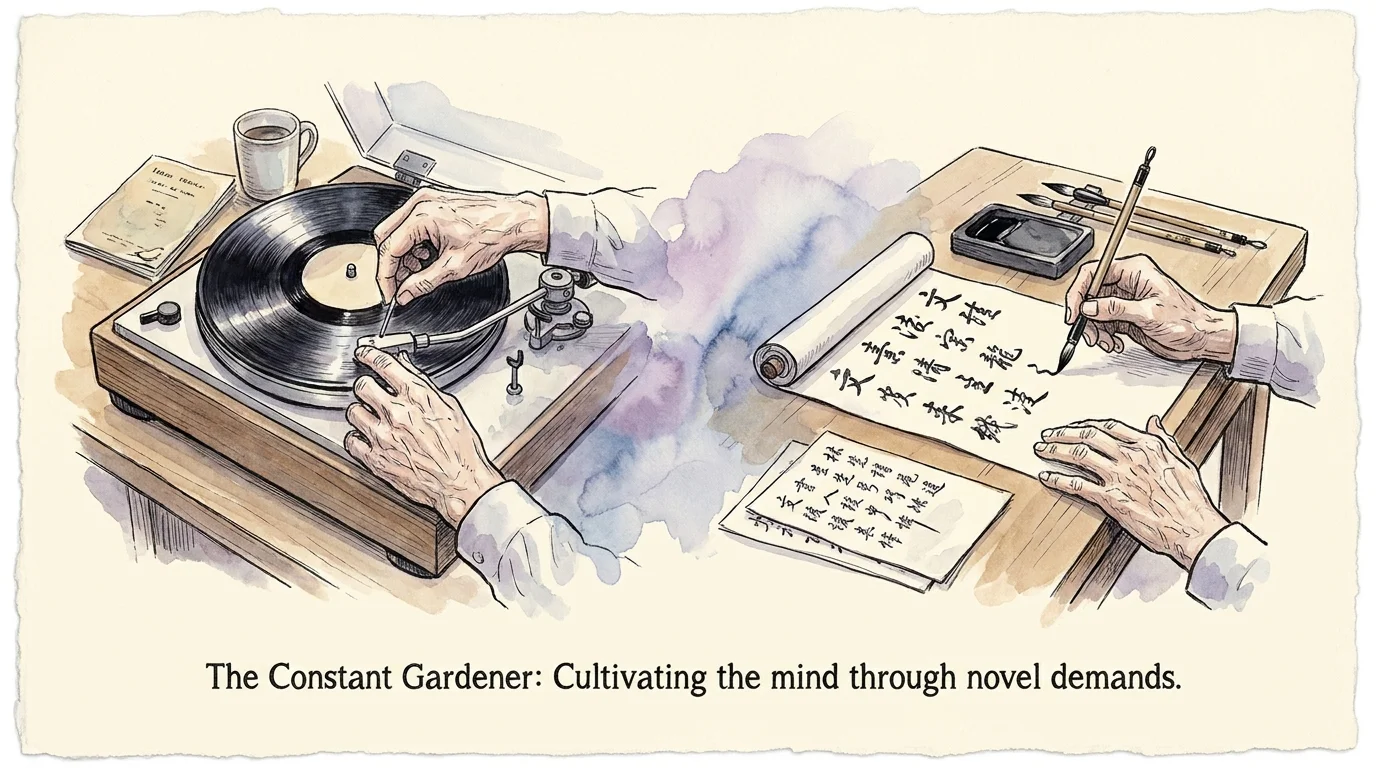
3. Harness Neuroplasticity Through Novel Learning
Routine is the enemy of neuroplasticity. While crosswords and Sudoku puzzles provide mild mental stimulation, they mostly rely on retrieving information you already know, which does little to forge new neural pathways. To truly support your healthy aging brain, you must subject it to the productive discomfort of novel, complex learning. Mastering a new language, learning to read sheet music, or taking up fine woodworking forces your brain to process unfamiliar sensory inputs and develop entirely new motor skills. This intense cognitive demand triggers the thickening of myelin—the protective sheath surrounding your nerve fibers—which increases the velocity of electrical signals traveling across your brain. The frustration you feel when fumbling through a new guitar chord or struggling with a foreign vocabulary word is the literal sensation of neuroplasticity at work. Commit to one complex, structured learning activity that consistently pushes you outside your intellectual comfort zone.
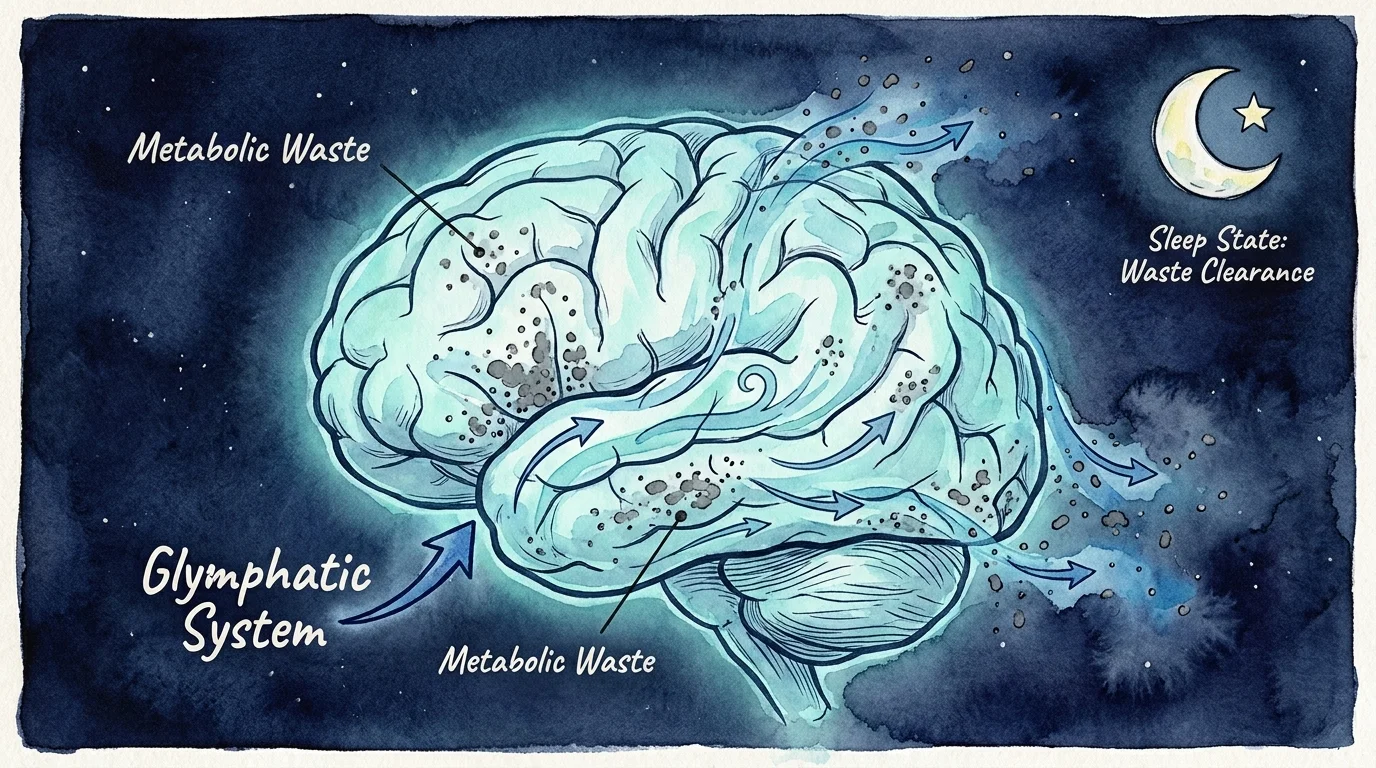
4. Clear Metabolic Waste with Deep Sleep
Sleep serves as an active biological maintenance period rather than simply a phase of rest. During the deepest stages of non-REM sleep, your brain initiates a remarkable cleaning protocol known as the glymphatic system. Your brain cells physically shrink, allowing cerebrospinal fluid to rush through the neural tissue and wash away toxic metabolic byproducts accumulated throughout your waking hours. These byproducts include amyloid-beta and tau proteins—the very same compounds that form destructive plaques and tangles in the brains of individuals experiencing severe memory loss. According to landmark findings published in Science, fragmented or insufficient sleep prevents this essential flushing mechanism from completing its cycle, leading to long-term neurotoxicity. You can optimize your glymphatic clearance by maintaining a rigid sleep schedule, keeping your bedroom temperature exceptionally cool, and eliminating alcohol and heavy meals in the hours immediately preceding your bedtime.

5. Cultivate Neural Networks Through Social Engagement
Isolation poses a profound physical threat to cognitive longevity. Human interaction stands as one of the most cognitively complex tasks you can undertake; it requires your brain to simultaneously read subtle facial expressions, interpret vocal intonations, access shared memories, and formulate appropriate responses in milliseconds. This rapid, multi-regional brain activation strengthens a vast network of synaptic connections, building a robust cognitive reserve that can compensate for age-related structural changes. Older adults who maintain vibrant social calendars, volunteer in their communities, or participate in structured group activities exhibit significantly sharper memory recall than those who remain isolated. Treat your social engagements with the same level of medical seriousness as you would a prescription medication. Joining a local walking group, participating in a book club, or regularly video-calling distant relatives provides essential cognitive tension that keeps your neural networks firing efficiently.
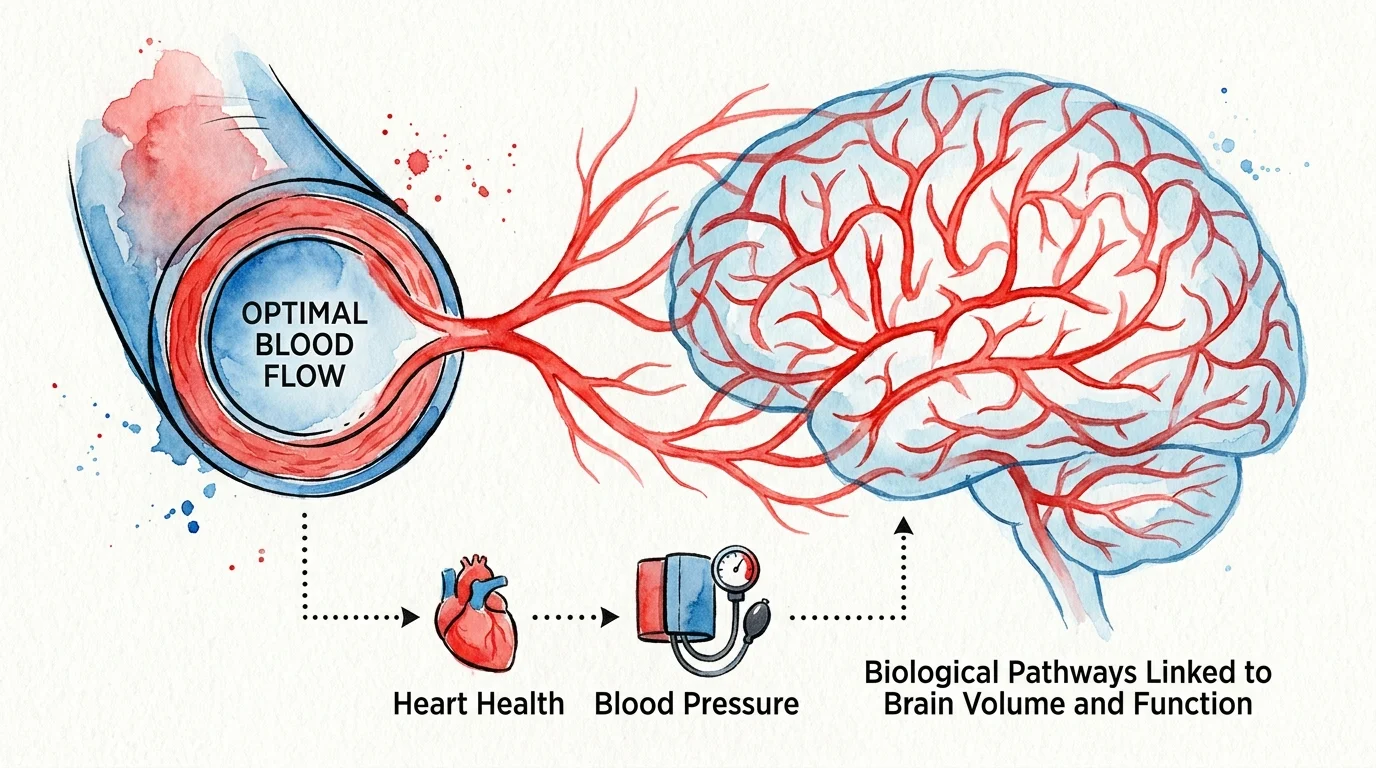
6. Protect Vascular Health to Preserve Memory
Neurologists often operate by a simple maxim: what benefits the heart benefits the brain. Your brain relies on a vast, microscopic network of fragile blood vessels to deliver the immense amount of energy required for conscious thought. Chronic hypertension, elevated cholesterol, and uncontrolled blood sugar systematically damage this delicate vascular architecture, leading to micro-strokes and the deterioration of the brain’s white matter tracts. These tiny areas of damage disrupt the communication cables connecting different regions of your brain, manifesting outwardly as slowed processing speed and sudden memory lapses. By rigorously monitoring your blood pressure, keeping your resting pulse in a healthy range, and managing your metabolic health, you directly preserve the structural integrity of your cerebral vasculature. Working closely with your physician to keep your vascular metrics strictly within optimal ranges prevents the silent, cumulative damage that compromises cognitive function over decades.
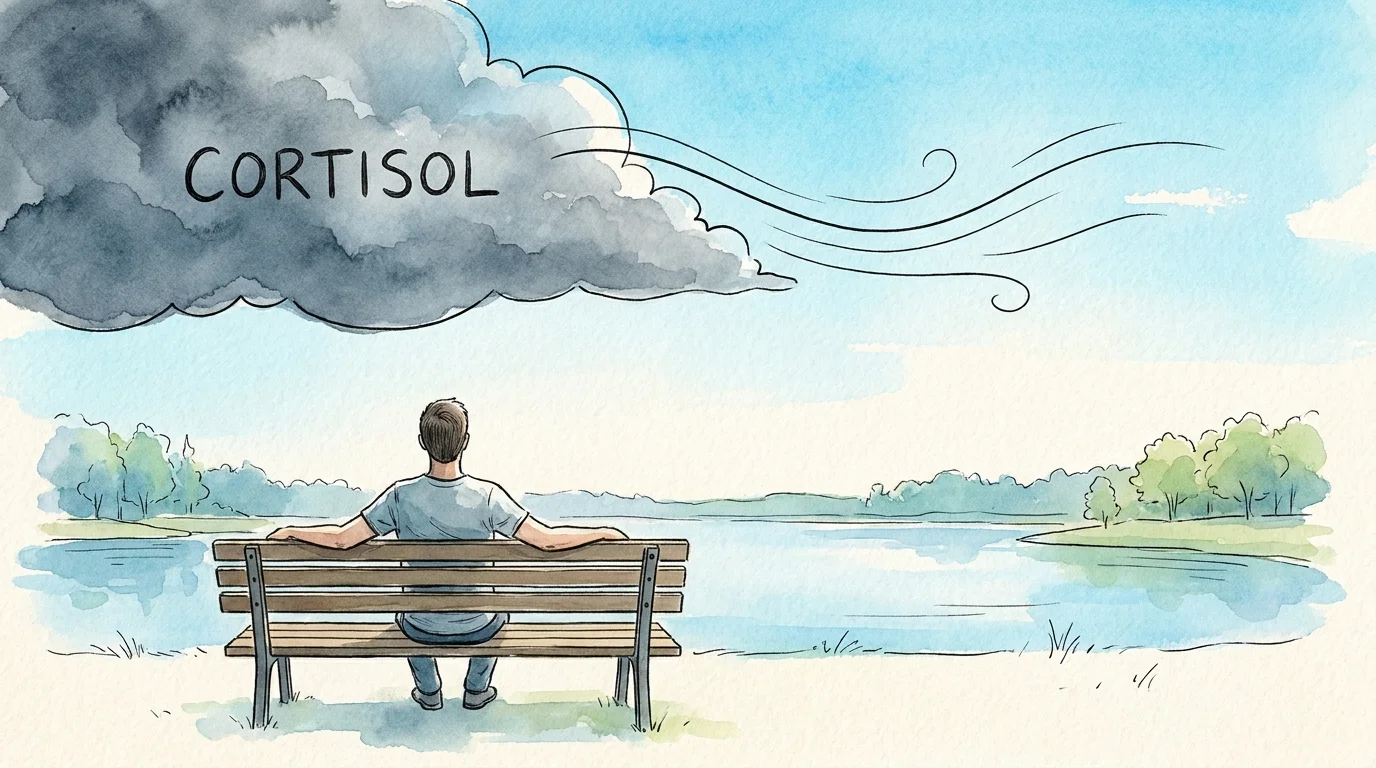
7. Mitigate Cortisol Through Active Stress Reduction
Unmanaged psychological stress acts as a potent neurotoxin over time. When you experience chronic anxiety, your adrenal glands flood your system with cortisol, an evolutionary survival hormone designed for short-term bursts of energy. Prolonged exposure to high cortisol levels physically damages the hippocampus, causing its dendritic branches to wither and the entire structure to gradually shrink in volume. To protect your memory centers, you must actively implement daily stress-reduction protocols. Scientific studies demonstrate that mindfulness meditation, progressive muscle relaxation, and patterned deep-breathing exercises physically alter brain structure, reducing the size of the amygdala—the brain’s fear center—while thickening the prefrontal cortex responsible for emotional regulation. Dedicating just fifteen minutes a day to focused breathing or structured meditation acts as a biological shield, lowering circulating cortisol levels and preserving the critical tissue volume of your memory centers.

Global Impact: Transforming Aging Across Cultures
The global demographic landscape is shifting dramatically, with older adults making up an unprecedented percentage of the world’s population. This reality has forced international health organizations to pivot away from merely treating disease toward aggressively promoting long-term cognitive vitality. By analyzing the habits of populations in regions known as Blue Zones—such as Okinawa in Japan and Sardinia in Italy—researchers have identified communities where residents routinely maintain sharp mental acuity well into their nineties. These cultures do not rely on expensive pharmaceutical interventions; instead, they organically weave daily movement, plant-heavy diets, and deep intergenerational social integration into the fabric of everyday life.
Taking cues from these populations, progressive nations are redesigning their public health infrastructure. The World Health Organization cognitive health reports emphasize that proactive lifestyle interventions could delay or prevent millions of cases of cognitive decline globally. Urban planners in Nordic countries are building dementia-friendly neighborhoods with accessible green spaces that encourage daily walking and social mingling. In East Asia, community centers specifically designed to foster lifelong learning and multi-generational skill-sharing are becoming standard civic infrastructure. This global transition from a reactive medical model to a proactive, lifestyle-based approach demonstrates that preserving memory after sixty-five is not just an individual responsibility, but a deeply connected societal endeavor.
Expert Voices in Cognitive Science
Leading neurobiologists consistently emphasize that cognitive decline should not be viewed as an inevitable destiny. Dr. Sandrine Thuret, a prominent researcher specializing in adult neurogenesis, notes that human beings retain the capacity to generate functional new neurons throughout their entire lifespan. She points out that while aging alters the biological baseline, the rate of neurogenesis remains highly responsive to the specific lifestyle choices an individual makes every day. Similarly, clinical researchers focusing on preventative neurology advocate for early and aggressive lifestyle modifications. They observe that patients who treat their cognitive health with the same rigorous discipline as their cardiovascular health tend to experience a dramatically extended healthspan. The consensus among top-tier scientists is clear: the brain thrives on challenge, movement, and rich social connection. Relying on passive supplements or waiting for severe symptoms to manifest is a flawed strategy. Instead, experts advocate treating daily habits as the primary medicine, utilizing diet, exercise, and intellectual strain to physically armor the brain against the passage of time.
Frequently Asked Questions About Memory Support After 65
Is it too late to start improving my memory if I am already experiencing forgetfulness?
It is never too late to initiate structural improvements in your brain. While early intervention always yields the best results, neuroplasticity persists throughout your entire life. Clinical trials repeatedly show that sedentary older adults who adopt rigorous exercise and dietary programs experience measurable improvements in executive function and spatial memory within just six to twelve months. Even if you are currently experiencing mild forgetfulness, aggressively implementing cardiovascular exercise and sleep optimization can halt further decline, improve your focus, and help your brain recruit alternative neural pathways to bypass damaged tissue.
Are memory supplements like ginkgo biloba or fish oil effective?
The scientific community remains highly skeptical of over-the-counter memory supplements. Extensive clinical trials have largely failed to prove that standalone supplements like ginkgo biloba, prevagen, or isolated vitamins provide significant protection against memory loss. While high-quality omega-3 fish oil can benefit those who eat zero seafood, nutrients are vastly more bioavailable when consumed in their natural matrix—meaning eating a piece of wild salmon is biologically superior to swallowing a pill. You should invest your time and resources into purchasing whole, nutrient-dense foods and maintaining a gym membership rather than relying on an unregulated supplement industry.
How much exercise do I actually need to see cognitive benefits?
You do not need to become an elite athlete to trigger neurogenesis, but you do need consistency. The scientific consensus points to a minimum of one hundred and fifty minutes of moderate-intensity aerobic exercise per week, broken down into manageable daily sessions. The key metric is your heart rate; you must elevate your pulse enough to stimulate the release of brain-derived neurotrophic factor. Brisk walking, cycling on a stationary bike, or water aerobics are excellent, low-impact ways to achieve this threshold. Incorporating two days of resistance training further amplifies these benefits by improving metabolic health and reducing systemic inflammation.
Can digital brain-training games replace learning a new skill?
While digital brain-training applications claim to enhance overall cognitive function, peer-reviewed research indicates that their benefits are usually limited to the games themselves. If you spend hours playing a digital memory matching game, you will become very good at that specific game, but that skill rarely translates into real-world memory improvements, such as remembering names or locating your keys. In contrast, complex analog skills—like learning conversational Spanish or mastering watercolor painting—require multi-sensory integration and physical coordination. This holistic demand forces the brain to build much broader and more resilient neural networks than tapping a screen ever could.
A Forward Look: The Next Frontier in Brain Health
The upcoming decade promises unprecedented leaps in our ability to monitor and protect cognitive function. We are rapidly transitioning into an era of precision preventative neurology. Researchers are currently finalizing highly sensitive blood tests, such as the p-tau217 assay, which can detect the earliest microscopic signs of amyloid and tau accumulation years before clinical memory symptoms appear. According to Alzheimer’s Association diagnostic research, these accessible blood biomarkers will soon allow physicians to identify individuals at risk and prescribe intensive lifestyle or therapeutic interventions when the brain is most responsive. Additionally, clinical trials exploring non-invasive transcranial magnetic stimulation are showing incredible promise for actively rewiring damaged neural circuits. As technology advances, you will likely see a future where personalized nutritional genomics and targeted brain stimulation work seamlessly alongside the foundational habits of exercise and sleep. Until these advanced therapies become widely available in your local clinic, the power to protect your memory remains firmly in your hands through the daily, science-backed lifestyle choices you make.