
Recent outbreaks of the Andes hantavirus strain on commercial cruise ships prove that this respiratory pathogen is no longer restricted to dusty, rural environments. You must understand how environmental shifts and rodent populations bring this severe disease into closer contact with daily life. Originally identified in the American Southwest, hantavirus represents a complex biological threat that causes blood vessels to leak fluid into your lungs or kidneys. Because public health networks struggle to detect silent infections in wildlife, staying informed about transmission mechanisms and safe cleanup protocols remains your strongest defense. The latest virology data provides actionable steps to protect your household from exposure while scientists track how shifting weather patterns accelerate transmission globally.

Discovery Deep Dive: Tracing the Pathogen from Rodents to Humans
Understanding the exact mechanics of how a zoonotic pathogen bridges the gap between animals and humans provides the foundation for effective disease prevention. Researchers have spent decades mapping the viral ecology of orthohantaviruses to determine why certain encounters lead to severe illnesses.

Fact 1: The 1993 Four Corners Outbreak Rewrote Virology
Modern awareness of the disease in the Western Hemisphere began abruptly in May 1993, when a cluster of sudden, fatal respiratory illnesses emerged among healthy young adults in the American Southwest. A comprehensive response by clinicians and scientists identified a previously unknown pathogen—now called the Sin Nombre virus. The viral reservoir was quickly traced to the common deer mouse. According to retrospective epidemiological reviews, this pivotal discovery defined a new clinical condition called hantavirus pulmonary syndrome. The swift medical investigation ultimately created the standard blueprint for how the Centers for Disease Control and Prevention monitor novel outbreaks. This rapid identification process demonstrated how indigenous knowledge regarding cyclical rodent populations aligned perfectly with modern genetic sequencing, reshaping public health surveillance.
Fact 2: Aerosolized Excreta Is the Primary Gateway
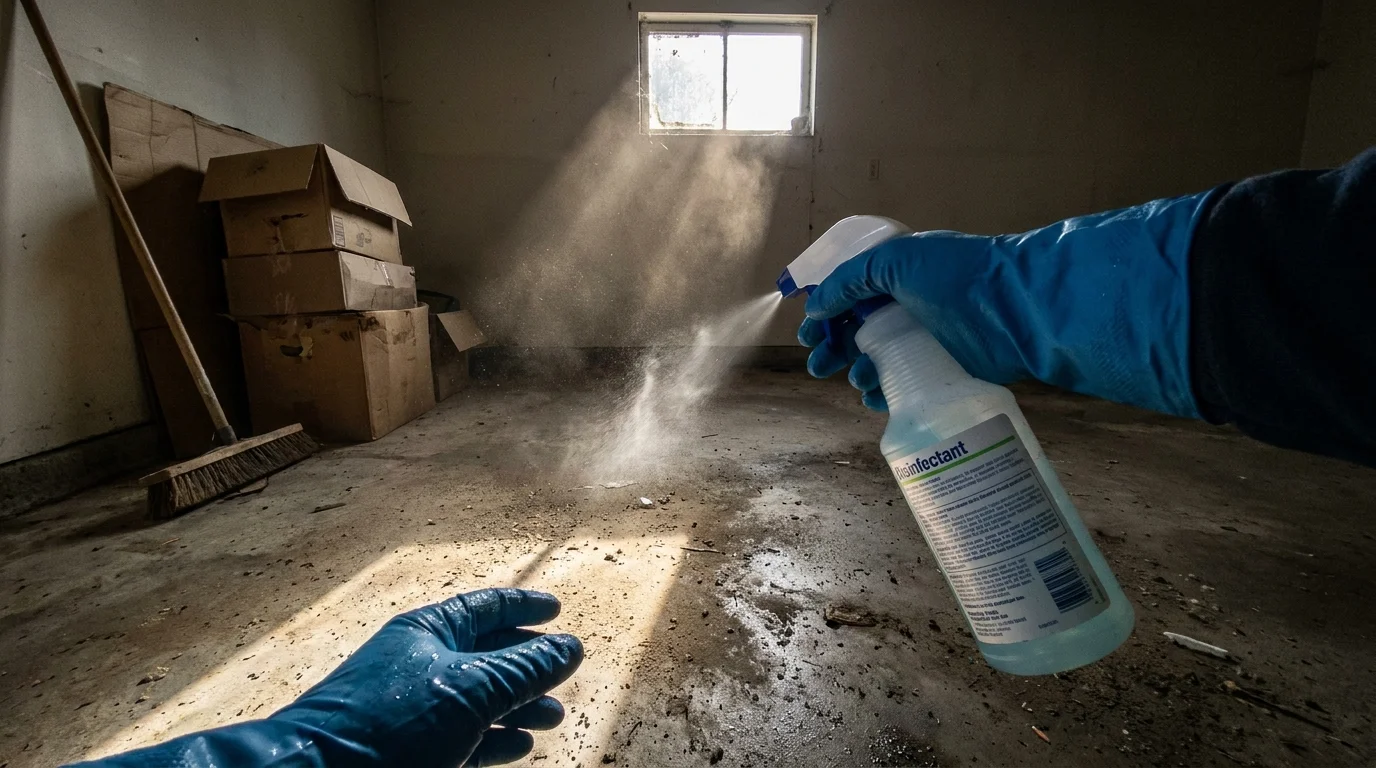
You do not need to be bitten by a rodent to contract the illness; you simply need to breathe in the wrong space. Infected mice shed the virus heavily in their urine, droppings, and saliva. When these waste products dry out, everyday activities like sweeping out a garage or vacuuming a shed can propel microscopic viral particles into the air. Once you inhale these aerosols, the virus attaches to endothelial cells lining your blood vessels. Seasonal property owners remain especially vulnerable; opening a hunting cabin or an abandoned vehicle after a long winter provides the perfect scenario for dense viral exposure. Your best defense is treating any enclosed, potentially infested space as a localized biological hazard zone.

Fact 3: Early Symptoms Deceptively Mirror the Flu
The initial phase of the infection makes diagnosis incredibly challenging for medical professionals. During the first few weeks after exposure, you might experience severe fatigue, fever, and muscle aches. These symptoms mimic a standard influenza infection, often delaying urgent medical intervention. However, the illness can rapidly transition into a critical cardiopulmonary phase within a few days. Fluid begins to fill the lungs as the virus weakens blood vessel walls, causing profound shortness of breath. During this acute phase, cardiovascular collapse can occur within hours. As blood pressure drops precipitously, patients often require immediate intubation to survive the devastating immune response raging inside their lungs.
Global Impact: Climate, Geography, and Ecosystems
The distribution and severity of zoonotic diseases are fundamentally linked to our changing environment. As global temperatures fluctuate and human development encroaches on wildlife habitats, the boundary between human spaces and rodent reservoirs becomes dangerously thin.
Fact 4: Geography Dictates the Disease You Develop
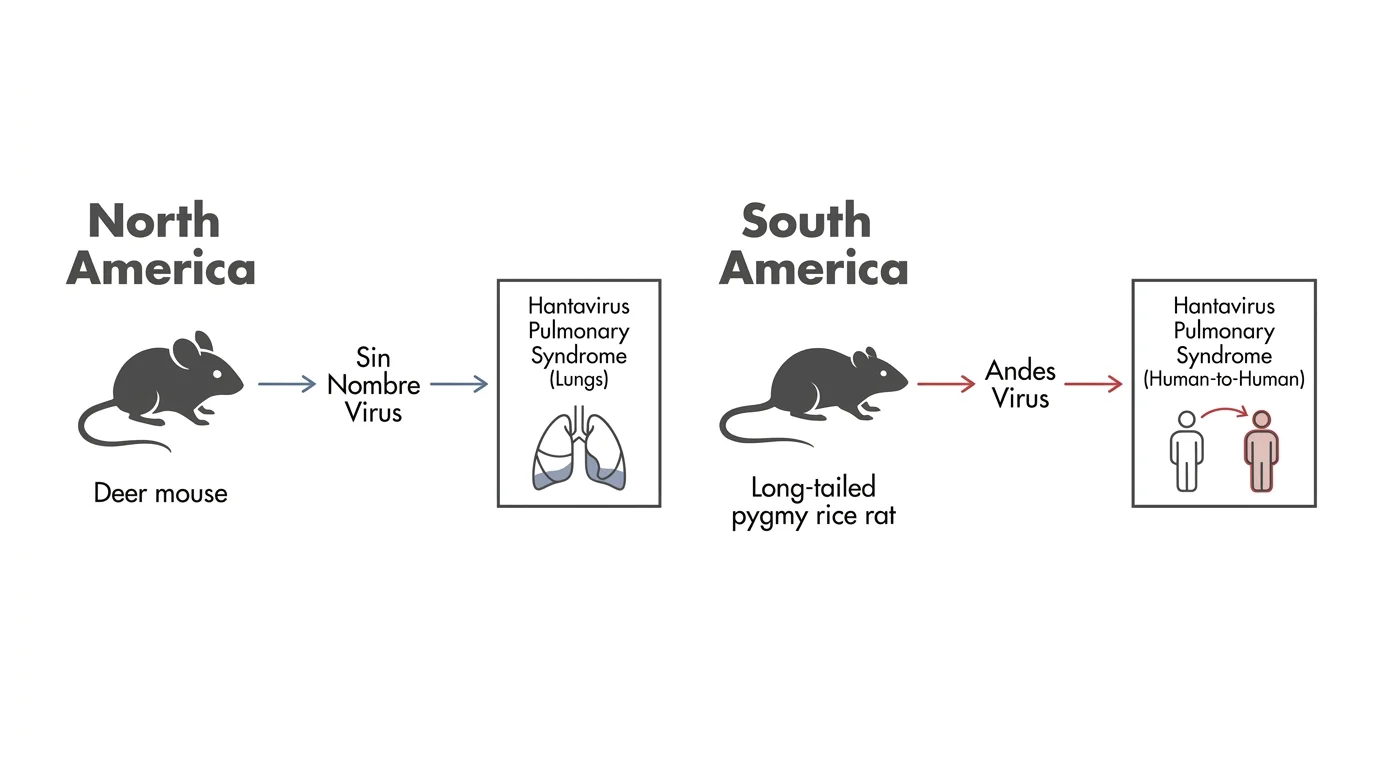
The specific strain of the virus you encounter depends on your location, leading to two distinct clinical syndromes. In the Americas, pathogens like the Sin Nombre and Andes viruses cause hantavirus pulmonary syndrome, characterized by acute respiratory distress with a fatality rate up to 50 percent. Conversely, recent data published by the World Health Organization details how European and Asian strains cause hemorrhagic fever with renal syndrome. This Old World variant primarily attacks the kidneys and blood vessels, leading to kidney failure rather than lung fluid accumulation. While the pulmonary syndrome claims patients through rapid suffocation, the renal syndrome manifests through agonizing abdominal pain and internal bleeding.

Fact 5: Climate Anomalies Trigger Population Explosions
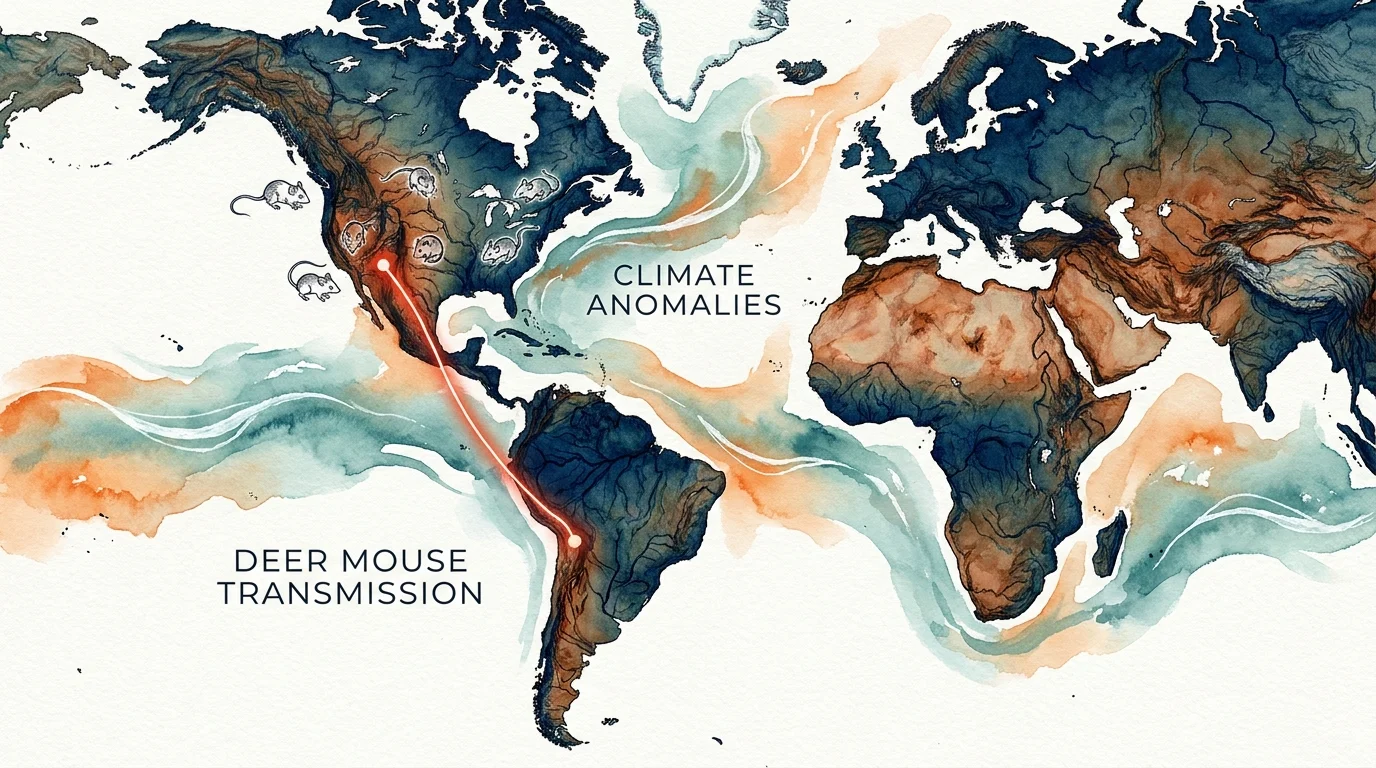
Extreme weather events serve as natural catalysts for disease outbreaks. Prolonged periods of heavy rainfall, particularly those driven by the El Niño Southern Oscillation, dramatically increase the availability of seeds and insects in arid regions. A remote sensing analysis conducted by NASA correlated the powerful 2015–2016 El Niño event with a significant spike in cases across Colorado and New Mexico. The resulting surge in food resources allowed deer mouse populations to multiply tenfold. This complex chain reaction—from warming oceans to sudden rainfall to rodent breeding frenzies—demonstrates how interconnected our ecosystems remain. Predictive meteorology now serves as an essential component of modern epidemiological early warning systems.
Fact 6: The Andes Strain Transmits Between Humans
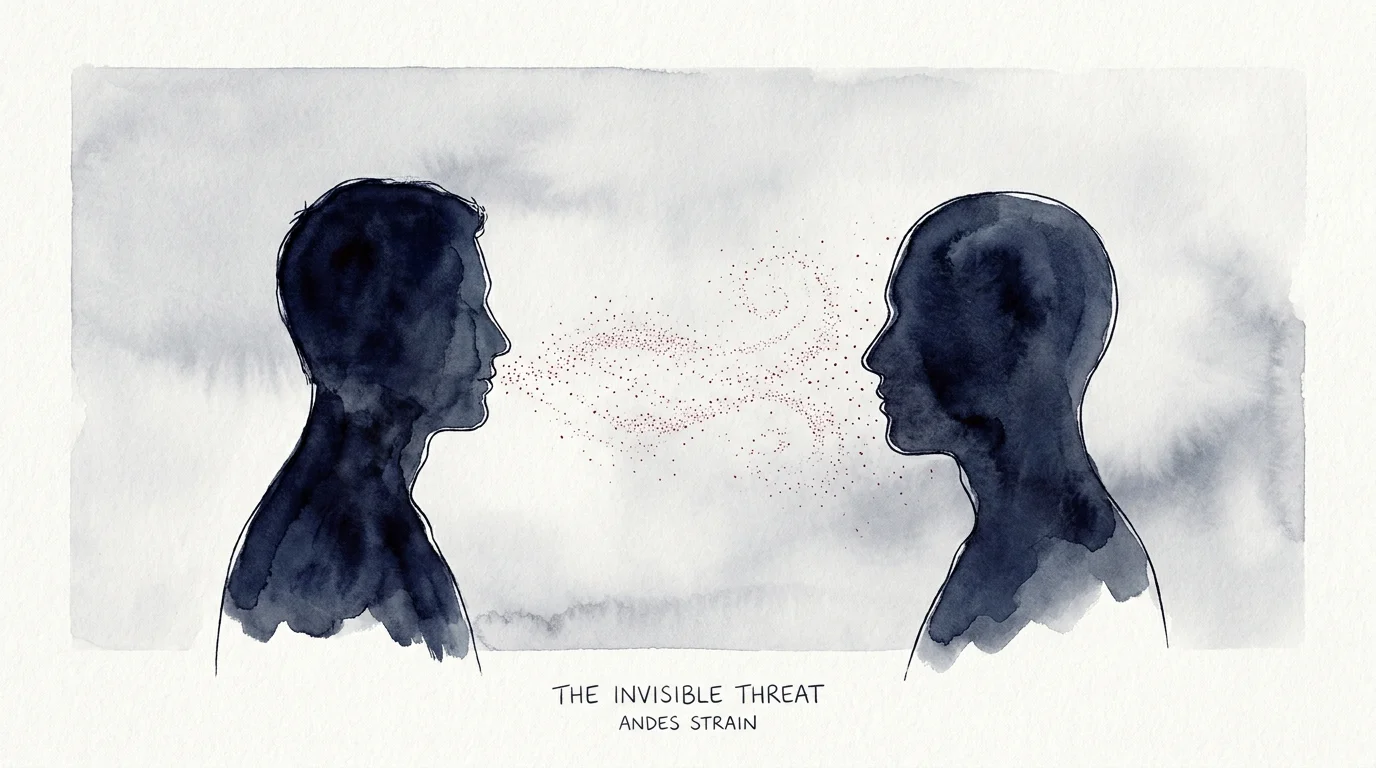
For decades, scientists believed humans were dead-end hosts for all hantaviruses. The Andes virus, endemic to South America, actively defies this biological rule. Prolonged close contact with an infected individual can lead to human-to-human transmission, a terrifying reality underscored by the May 2026 outbreak aboard the MV Hondius cruise ship. Epidemiological reports on cruise ship clusters reveal that confined, poorly ventilated environments facilitate the spread among passengers. This unique capability forces international travel networks to implement strict quarantine protocols. Contact tracing during such events requires extraordinary logistical coordination, including symptom monitoring periods lasting up to 45 days for all exposed individuals.

Expert Voices: Perspectives on Tracking and Containment
Managing the threat of spillover requires a shift from reactive medicine to proactive environmental monitoring. Leading researchers emphasize that safeguarding human populations depends on understanding the virus before it ever leaves the wild.
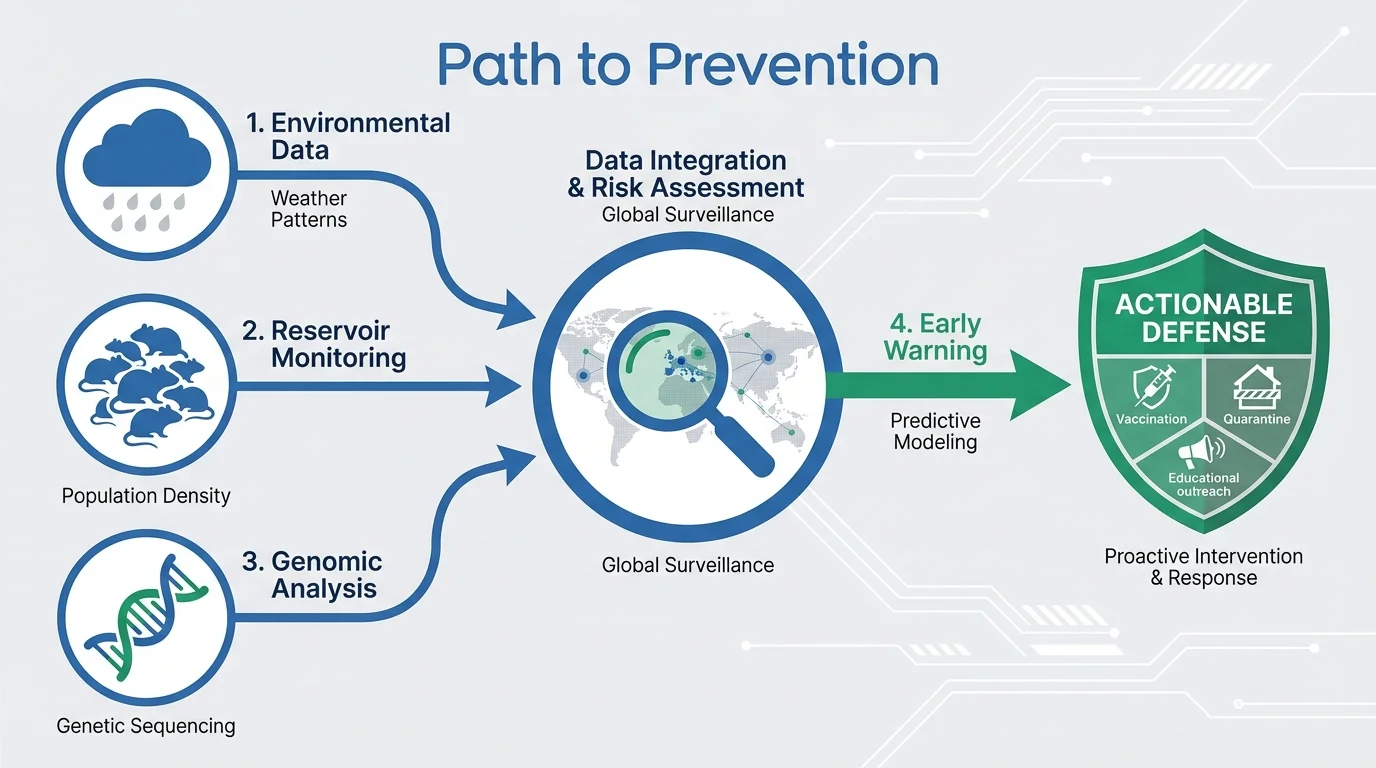
Fact 7: Predictive Surveillance Is Replacing Reactive Measures
Public health experts argue that current methods for detecting emerging pathogens are dangerously delayed. Biologists increasingly advocate for broad ecological surveillance networks that monitor infection rates in wild rodent populations year-round. By tracking viral prevalence in mice before human cases spike, local health departments can issue targeted warnings. Luis Escobar, a leading researcher in zoonotic ecology, recently noted that viruses capable of silent spread deserve rigorous attention long before they trigger a clinical outbreak. Uncovering why deer mice carry the heavy viral load without suffering any cellular damage could also yield groundbreaking insights into mammalian immune tolerance and novel antiviral pathways.
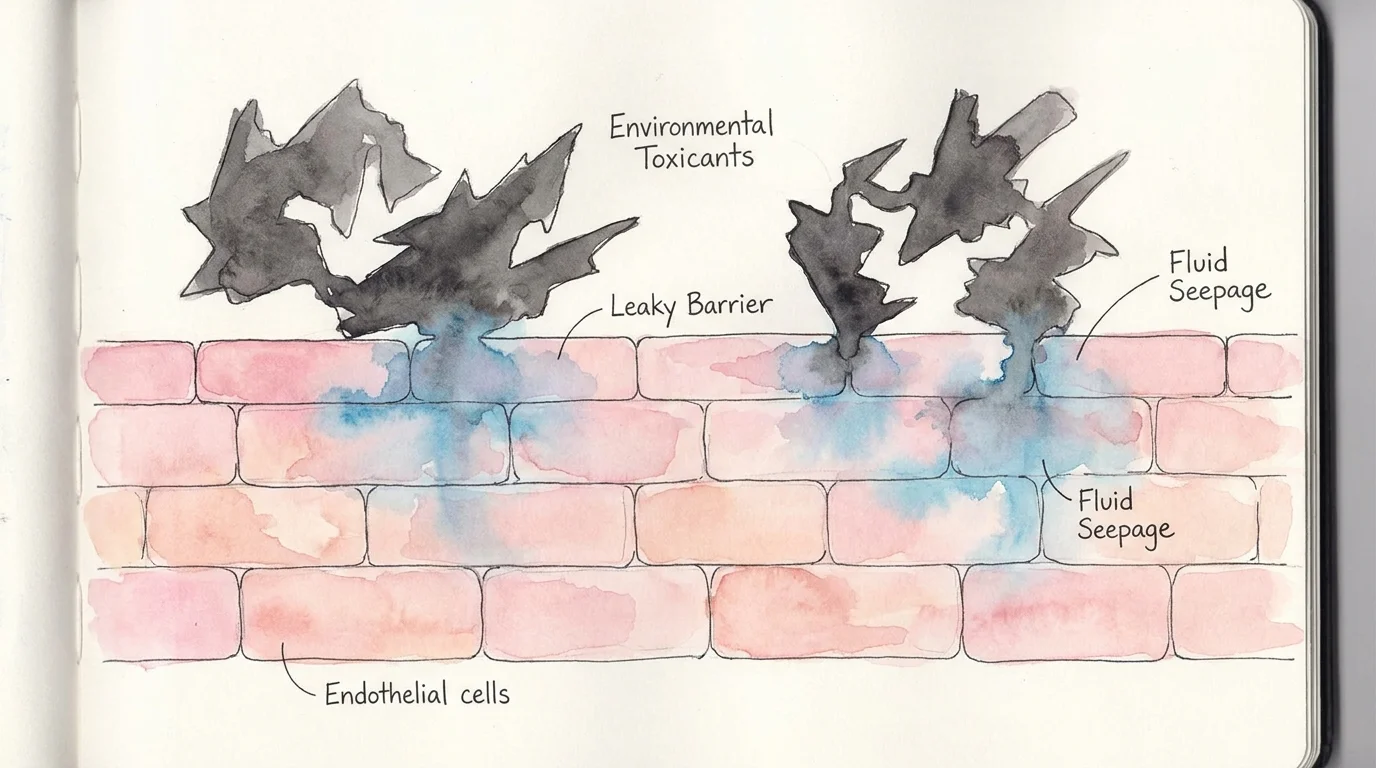
Fact 8: Environmental Toxicants May Increase Susceptibility
Emerging research suggests that exposure to modern environmental pollutants makes your body more vulnerable to severe viral outcomes. Emerging toxicological frameworks propose that background exposure to heavy metals and poor air quality induces chronic oxidative stress. This systemic inflammation compromises your lung endothelium long before the virus enters your body. When the pathogen strikes, the pre-existing endothelial dysfunction accelerates the leakage of fluid into the lungs. This holistic perspective, often referred to as the One Health framework, underscores that protecting fragile ecosystems and reducing pollution directly shields human populations from severe infectious diseases.
FAQ: Your Questions About Exposure and Safety
When public health alerts circulate regarding local rodent infestations, communities need clear, evidence-based guidance to mitigate their risks effectively.
How quickly do symptoms appear after exposure? The incubation period is notoriously variable. Symptoms typically manifest between one and eight weeks after you inhale the contaminated aerosols. Because of this extended timeframe, you might forget a brief exposure event—such as cleaning out a dusty storage unit—by the time the fever and muscle aches begin. You should never dismiss a severe summer fever if you recently cleaned a dusty barn or handled firewood. If you develop unexplained respiratory distress, you should immediately inform your physician about any rodent contact over the previous two months.
What is the proper way to clean rodent droppings? Never use a broom or a vacuum cleaner to remove rodent waste; this action violently launches viral particles into the air. Instead, open all doors and windows to ventilate the space for at least thirty minutes. Put on rubber gloves, and spray the urine and droppings with a commercial disinfectant or a mixture of one part bleach to nine parts water. Let the soaked area sit for five minutes to neutralize the virus, then wipe it up with paper towels and dispose of them in a sealed plastic bag. Ultraviolet light also degrades the virus, so allowing sunlight to flood the room provides an additional layer of natural sterilization.
Is there a vaccine or specific cure available? Currently, the United States Food and Drug Administration has not approved a specific vaccine or antiviral treatment for hantavirus pulmonary syndrome. Medical intervention relies entirely on aggressive supportive care. Patients are typically transferred to an intensive care unit where they may be intubated and placed on extracorporeal membrane oxygenation machines. This advanced technology oxygenates the blood outside the body, buying the patient critical time while their immune system fights off the infection. In extreme scenarios, maintaining oxygenation requires transferring the patient to a specialized cardiac facility equipped to handle acute respiratory distress syndrome.
Are all mice carriers of the pathogen? No, only specific species serve as natural reservoirs. In North America, the primary carrier is the deer mouse, which is easily identifiable by its white underbelly and large ears. Other recognized carriers include the white-footed mouse, the cotton rat, and the rice rat. Common house mice are generally not known to carry the virus that causes pulmonary syndrome, though it remains a best practice to treat all wild rodent infestations as potential biological hazards. Identifying the exact rodent species often proves difficult for the untrained eye, making universal caution the smartest approach when clearing out animal nests.
Forward Look: Navigating Remaining Unknowns
While science has successfully charted the fundamental biology of these pathogens over the last three decades, researchers are now deploying next-generation tools to anticipate the next spillover event.
Fact 9: Artificial Intelligence Is Mapping Future Hotspots
The vast amount of ecological data generated by climate satellites and wildlife monitoring networks is too complex for traditional analysis. Epidemiologists are now leveraging machine learning algorithms to identify hidden patterns in vegetation growth, soil moisture, and historical outbreak data. These artificial intelligence models can predict localized rodent population booms up to six months in advance. By isolating geographical hotspots where environmental conditions align with viral shedding, researchers provide local governments with actionable intelligence. These proactive strategies ensure that limited medical supplies and specialized testing kits are distributed to rural clinics exactly where they are most needed.
Fact 10: Universal Therapeutics Remain the Ultimate Goal
Because these viruses possess highly diverse genetic sequences across different continents, creating a single effective vaccine has proven incredibly difficult. However, biochemical engineers are isolating broadly neutralizing monoclonal antibodies from survivors of both pulmonary and renal syndromes. These advanced therapies aim to target conserved regions of the viral spike protein that do not mutate easily. While clinical trials remain in the preliminary stages, achieving a universal orthohantavirus therapeutic would neutralize the pathogen immediately upon diagnosis. If successful, these synthesized antibodies could be administered prophylactically to high-risk individuals, offering a vital shield against an unpredictable natural threat.