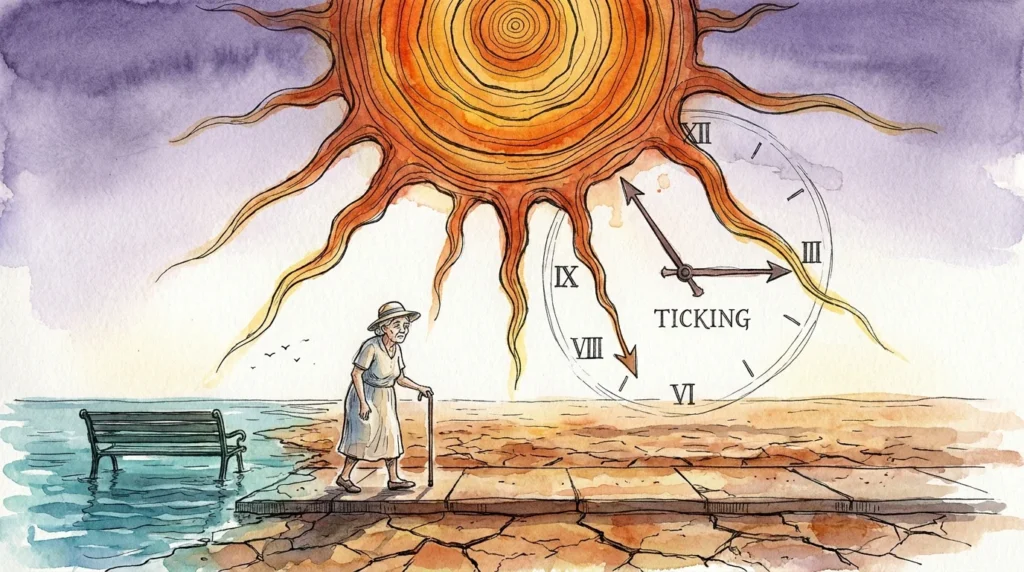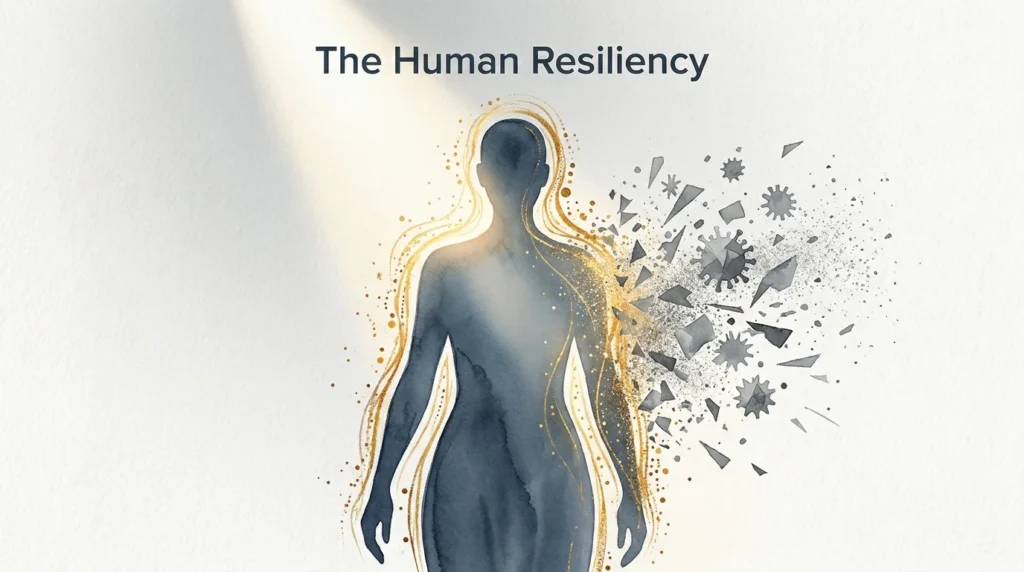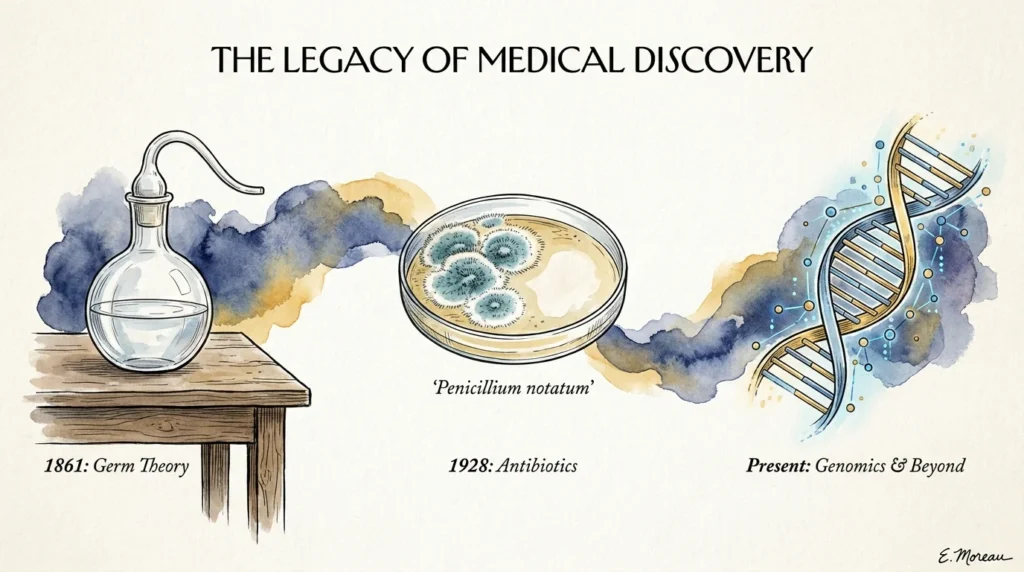
Breakthroughs in aging science and longevity research now offer practical ways to extend your healthy lifespan rather than just adding years to your clock. Scientists across the globe are uncovering fundamental cellular mechanisms that dictate how your body repairs itself, resists disease, and processes energy over time. By targeting senescent cells, optimizing metabolic pathways, and decoding genetic modifiers, researchers have shifted health science from passive observation to active intervention. You can soon leverage these ten recent discoveries to enhance your daily resilience and long-term vitality. Understanding these anti aging milestones empowers you to make informed decisions about your nutrition, sleep, and medical care while navigating an era where aging becomes a treatable condition rather than an inevitable decline.
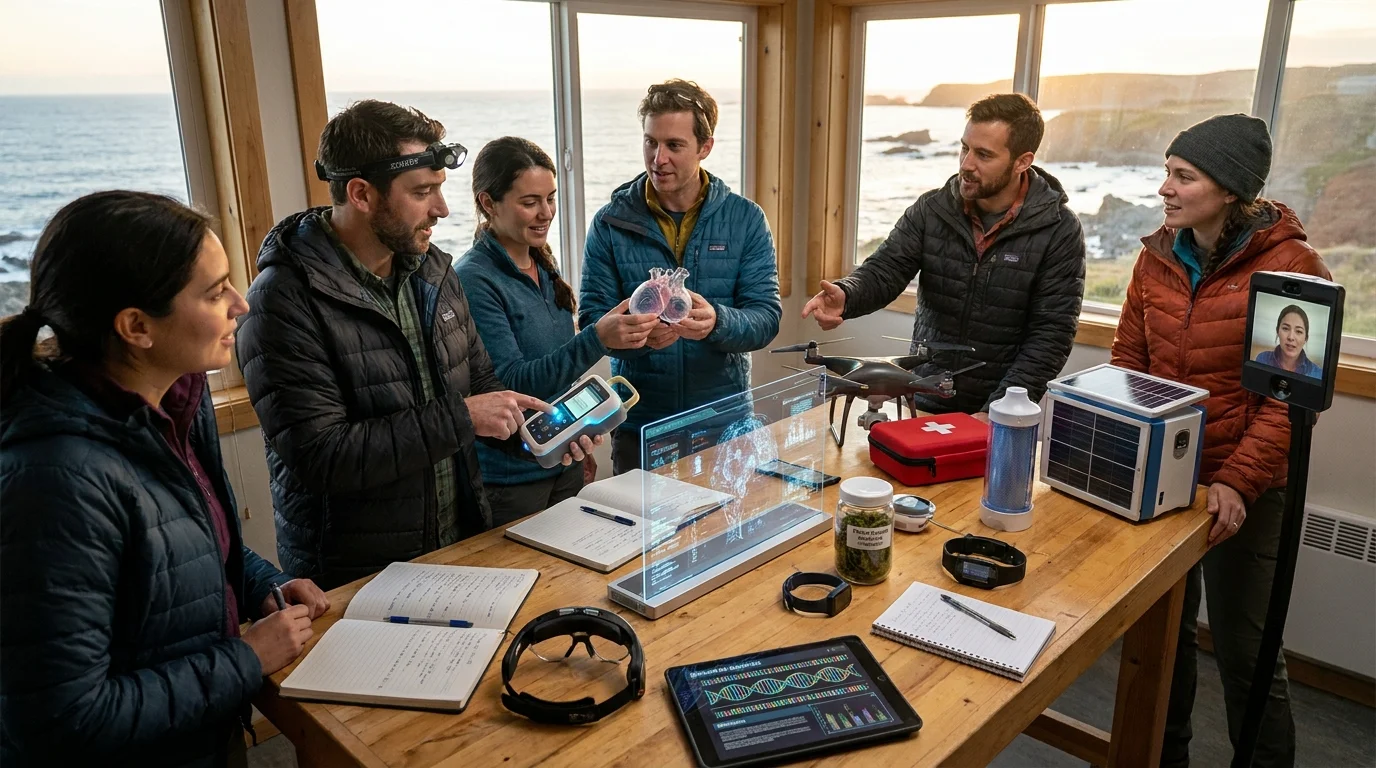
The Discovery Deep Dive: Ten Health Breakthroughs
1. Clearing Senescent Cells with Senolytics
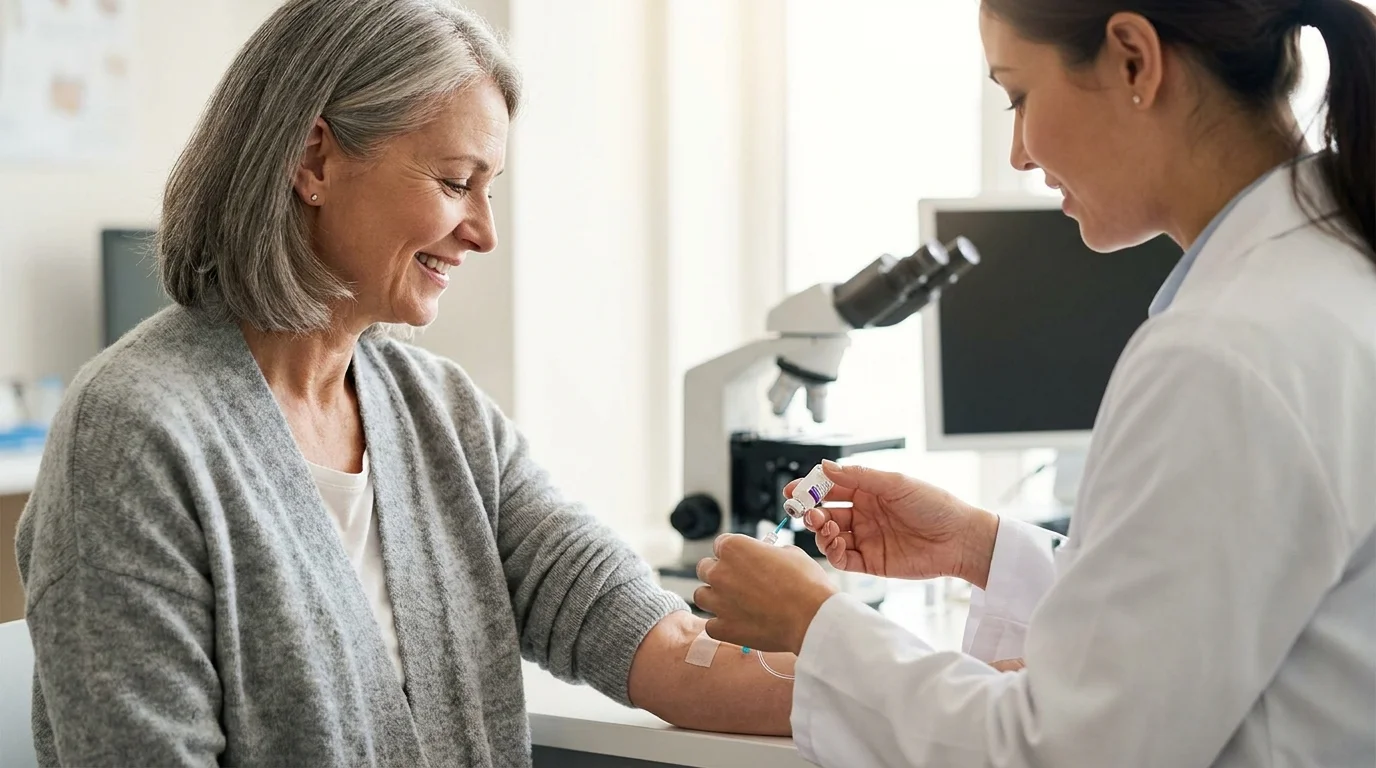
As you age, some of your cells stop dividing but refuse to die. These senescent cells—often called zombie cells—secrete inflammatory chemicals that accelerate tissue degradation. Researchers have developed senolytics, a class of targeted drugs designed to selectively hunt and eliminate these harmful cells. Laboratory studies show that clearing these cells restores physical stamina and extends the healthy lifespan of animal models. Medical researchers now monitor how senolytics clear damaged tissues in human joints through targeted clinical trials. By removing this cellular debris, your body lowers systemic inflammation and potentially reverses markers of biological aging. You will likely see these therapies integrated into preventive healthcare regimens soon, offering a practical way to protect organs from age-related deterioration.
2. Epigenetic Reprogramming and Cellular Reset
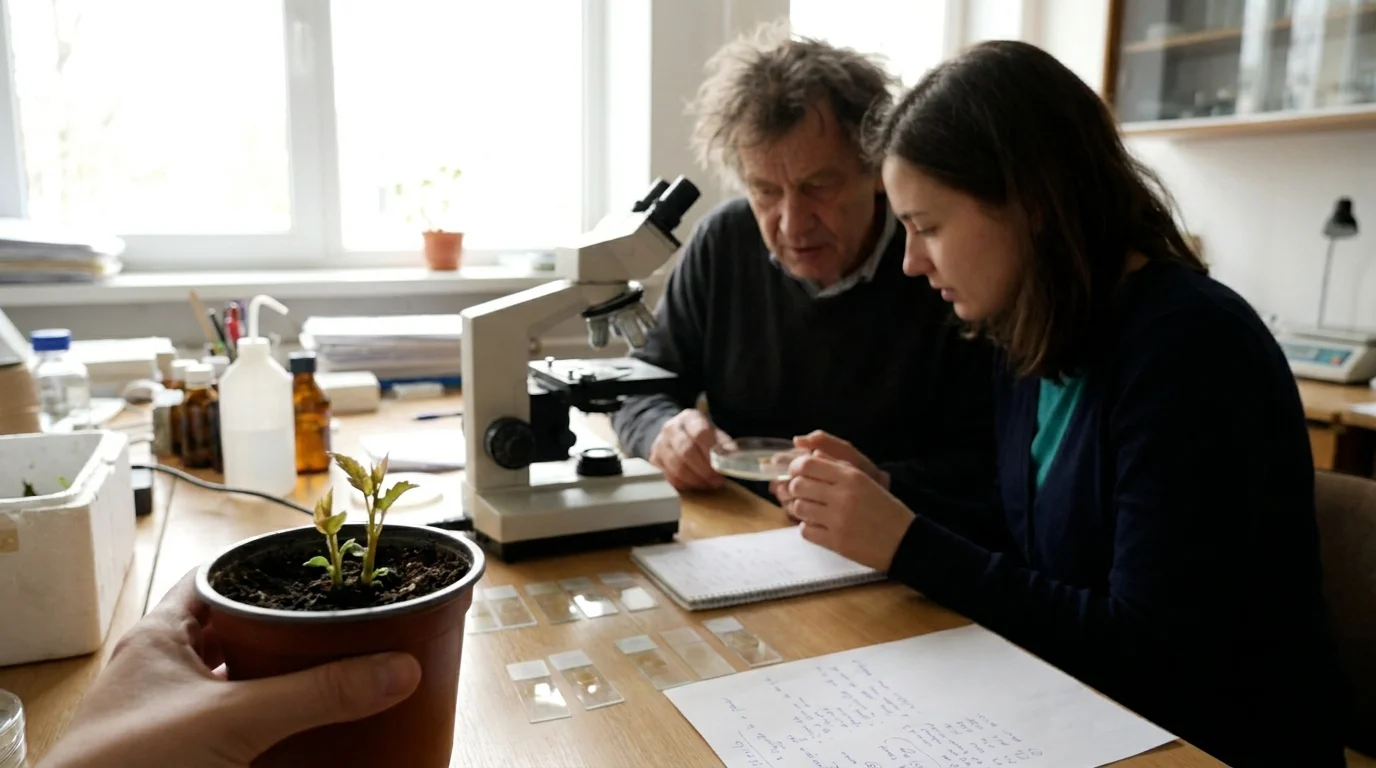
Your DNA provides the blueprint for your body, but your epigenome acts as the software directing how cells read that code. Over time, environmental stress and poor lifestyle choices corrupt this software. Scientists recently demonstrated they can reset a cell’s epigenetic clock using specific proteins known as Yamanaka factors. This process reverses the cellular age of tissues in the laboratory, allowing failing cells to function normally again. Researchers achieve this without changing the fundamental DNA sequence. While full-body reprogramming remains years away, this discovery completely shifts our understanding of aging science. You can now view aging not as a one-way street, but as a reversible software glitch.

3. The Glymphatic System and Deep Sleep Therapy
You likely know that sleep restores energy, but scientists recently mapped exactly how your brain cleans itself while you rest. The glymphatic system pumps cerebrospinal fluid through brain tissues during deep, slow-wave sleep, actively flushing out toxic amyloid plaques linked to neurodegeneration. This discovery proves that high-quality sleep serves as a mechanical cleaning cycle rather than just a period of rest. Researchers now explore ways to artificially enhance this fluid flow to prevent cognitive decline. You can apply this health science directly to your daily life by prioritizing uninterrupted deep sleep. Optimizing your bedroom environment becomes your first line of defense against neurological aging.

4. NAD+ Precursors and Mitochondrial Restoration
Your cells rely on tiny powerhouses called mitochondria to generate energy, a process heavily dependent on a molecule called NAD+. As you navigate through life, your NAD+ levels naturally plummet, leaving your cells starved for energy and vulnerable to dysfunction. Scientists have discovered that supplementing with specific NAD+ precursors can effectively replenish these depleted reserves. Restoring these molecular levels reignites mitochondrial function, improving muscle endurance and metabolic health. You can leverage this knowledge by focusing on lifestyle factors—such as rigorous exercise and specific dietary interventions—that naturally boost cellular energy production. Ongoing clinical trials continue to investigate how these metabolic interventions might serve as powerful anti aging tools for the general population, offering you a direct pathway to maintaining cellular vigor.
5. CRISPR Base Editing for Genetic Precision
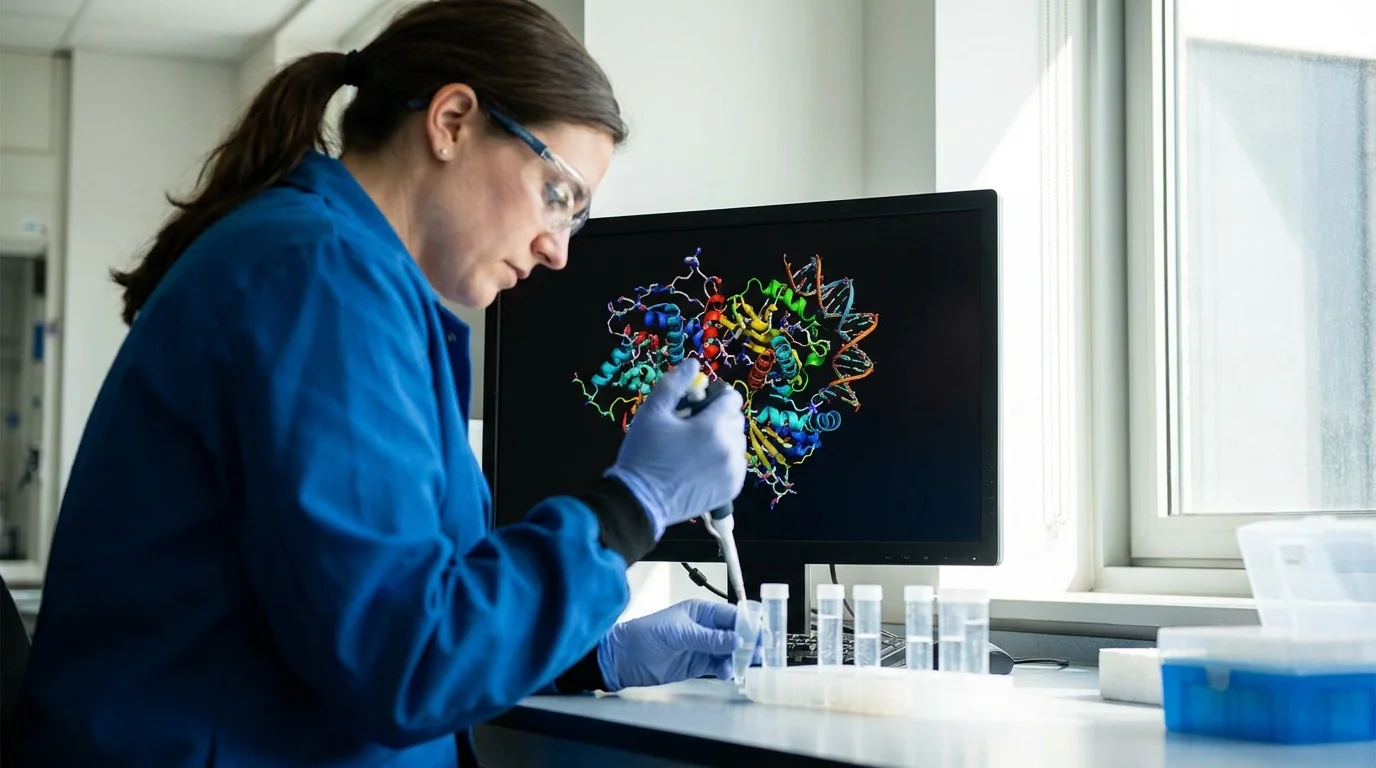
The original CRISPR gene-editing technology revolutionized biology by allowing scientists to cut and paste DNA sequences. However, recent advancements in base editing take this precision to an entirely new level. Researchers can now rewrite individual letters of your genetic code without severing the DNA strand. This minimizes the risk of unintended mutations while correcting genetic typos responsible for devastating hereditary diseases. Researchers recently published breakthrough genetic studies in Science demonstrating how medical teams utilized this technique to successfully treat patients with severe cholesterol disorders, fundamentally altering their genetic risk profile. This breakthrough means you may soon have access to one-time treatments that permanently eliminate your genetic susceptibility to specific age-related conditions.
6. AI-Driven Protein Folding and Drug Discovery
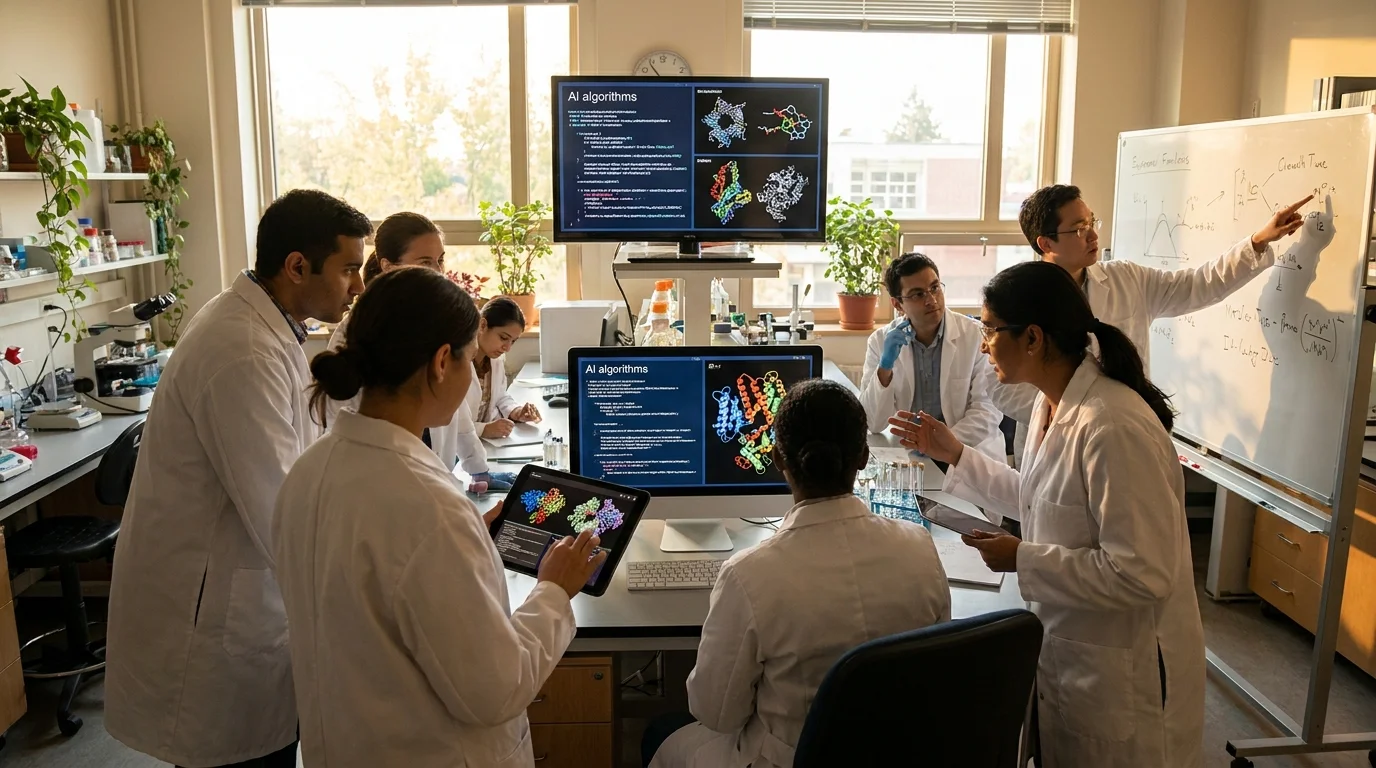
Proteins govern nearly every function in your body, and their three-dimensional shapes determine how they operate. Historically, mapping a single protein took years of painstaking laboratory work. Artificial intelligence systems recently cracked the code, accurately predicting the structures of nearly all known proteins in a matter of months. This monumental achievement drastically accelerates drug discovery. Scientists recently shared findings with the National Institutes of Health showing how these AI models design custom molecules that bind to disease-causing proteins, opening new frontiers in longevity research. You stand to benefit from this technological leap as researchers rapidly identify novel compounds capable of stalling the aging process and bringing highly targeted therapies to the pharmacy shelves much faster than before.

7. The Gut Microbiome-Immune Axis
Your digestive tract hosts trillions of microorganisms that do much more than digest your food. Recent breakthroughs reveal a direct communication channel between your gut microbiome and your immune system. These resident bacteria produce metabolites that regulate systemic inflammation, a primary driver of biological aging. When your microbiome loses diversity, your immune system becomes hyperactive and damages healthy tissue. Researchers link this imbalance to everything from autoimmune diseases to accelerated cellular decay. You can practically apply this discovery by consuming a diverse range of plant fibers and fermented foods, actively cultivating a robust microbial ecosystem that shields your body from chronic inflammation.

8. Caloric Restriction Mimetics
Reducing calorie intake without malnutrition consistently extends the lifespan of various species in laboratory settings. Because severe fasting remains impractical for most people, scientists have identified compounds called caloric restriction mimetics. These molecules trick your cells into believing they lack nutrients, triggering deep cellular repair mechanisms like autophagy—your body’s internal recycling program. Drugs and supplements in this category mimic the physiological benefits of fasting while allowing you to maintain a normal diet. Researchers actively test these compounds to see if they can delay age-onset diseases in humans. Understanding this mechanism empowers you to explore safe intermittent fasting routines or future medical therapies that activate these identical longevity pathways.

9. Wearable Continuous Biosensors
Tracking your health used to require periodic blood draws and laboratory visits. Today, scientists have developed sophisticated wearable biosensors that monitor your metabolic markers in real time. These devices seamlessly track your glucose fluctuations, hydration levels, and physiological stress responses throughout the day. Continuous monitoring reveals exactly how your body reacts to specific foods, sleep patterns, and exercise routines. You can use this immediate feedback to make highly personalized lifestyle adjustments rather than relying on generic health advice. This continuous stream of personalized data represents a massive leap in health science, allowing you to intercept metabolic dysfunction long before it develops into a chronic disease.

10. mRNA Therapeutics Beyond Vaccines
Messenger RNA technology gained global recognition through infectious disease prevention, but its true potential lies in chronic disease management and tissue regeneration. Scientists now program mRNA to instruct your cells to build specific therapeutic proteins exactly where your body needs them. Researchers currently test mRNA treatments designed to repair damaged heart muscle after a cardiac event and to program the immune system to recognize and destroy hidden cancer cells. This adaptable platform means you might eventually receive customized genetic instructions tailored to heal your specific injuries or reverse your unique cellular damage. Medical science is moving away from generic drugs toward personalized blueprints that teach your own biology how to heal itself.

Global Impact: How Longevity Research Changes Societies
The rapid advancement of aging science extends far beyond individual health outcomes; it carries profound implications for global economies and social structures. Populations in highly developed regions already face demographic shifts where older adults outnumber the youth. Extending the human healthspan transforms this demographic challenge into a tremendous societal asset. When citizens remain biologically robust into their later decades, they continue contributing to the workforce, significantly reducing the financial strain on national healthcare systems. Developing nations stand to benefit equally. Accessible health science interventions, such as improved metabolic tracking, prevent chronic diseases that historically crippled emerging healthcare infrastructures. Organizations like the World Health Organization monitor these developments closely, emphasizing the need for equitable access to emerging treatments. If governments deploy these scientific discoveries responsibly, you will witness a global paradigm shift. Societies will soon shift resources away from managing chronic decline, investing instead in lifelong vitality.
Expert Voices on the Frontlines of Health Science
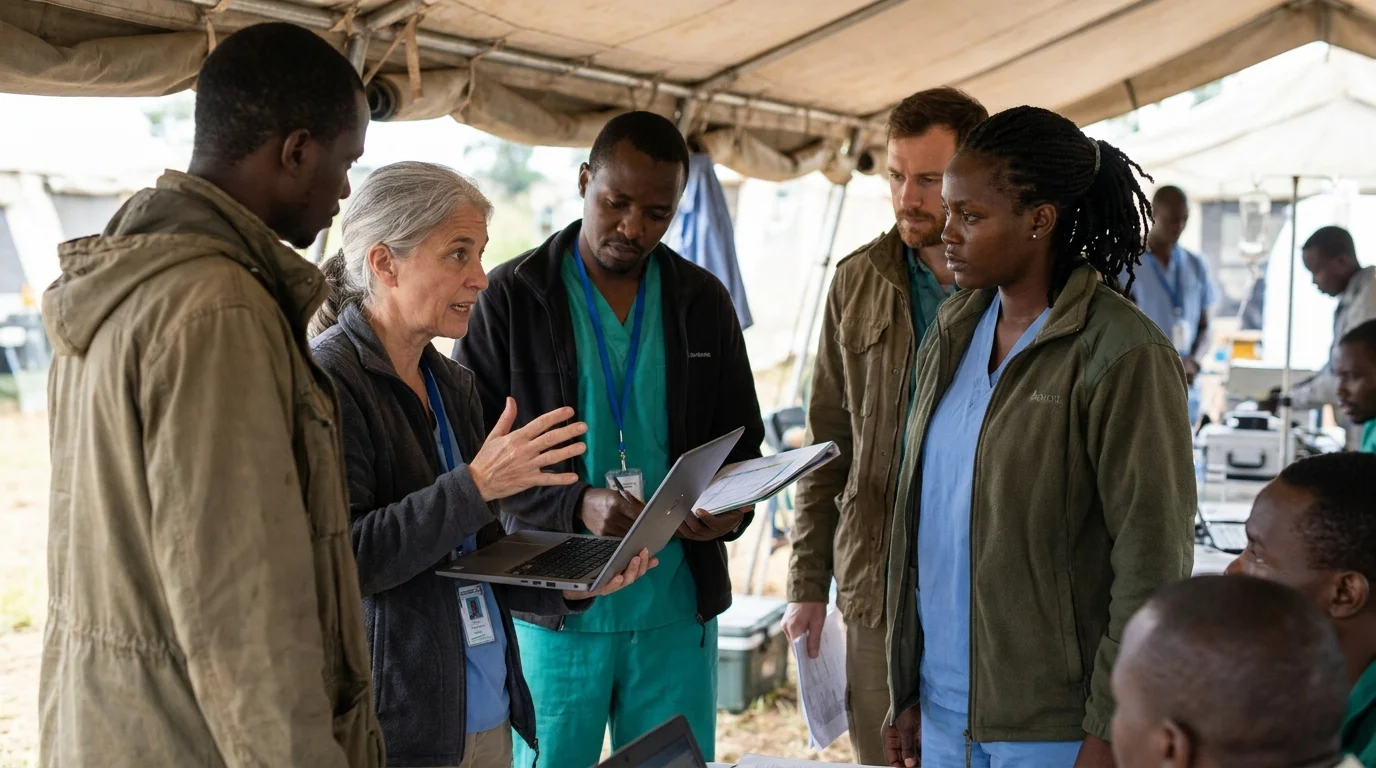
Leading scientists and policymakers emphasize that the focus of modern medicine has fundamentally changed. Researchers at prestigious institutions consistently report that treating individual diseases in isolation is no longer the ultimate goal. Instead, experts advocate for targeting the biological aging process itself, which serves as the root cause of most modern ailments. Prominent geneticists argue that aging should be classified as a treatable condition. By securing funding for comprehensive longevity research, these advocates push regulatory bodies to approve clinical trials focused specifically on lifespan extension.
Public health officials echo this sentiment, noting that practical interventions must remain affordable to prevent a massive healthcare divide. They urge governments to integrate proven lifestyle modifications and advanced screening tools into primary care networks. When you examine recent analyses published in Nature Aging, a clear consensus emerges: the science is ready, and the next hurdle involves updating our medical infrastructure to deliver these proactive treatments safely and effectively directly to your local clinic.
Frequently Asked Questions
What is the most effective way to apply aging science today?
While advanced gene therapies remain in clinical trials, you can immediately apply the foundational principles of longevity science. Prioritizing uninterrupted deep sleep, engaging in regular cardiovascular and resistance training, and consuming a diverse range of plant fibers actively trigger your body’s innate repair mechanisms. These accessible lifestyle choices remain the most potent anti aging tools currently available to you.
Are longevity treatments accessible to the general public?
Access varies significantly depending on the specific intervention. Wearable biosensors and certain metabolic supplements are widely available on the consumer market today. However, advanced treatments like senolytics and targeted mRNA therapies are still strictly confined to clinical settings and research laboratories. As production scales and regulatory bodies approve these methods, costs will drop, bringing these revolutionary therapies into mainstream medical practice.
How does epigenetic age differ from chronological age?
Your chronological age simply counts the number of years you have been alive. Your epigenetic age measures the biological wear and tear on your cells, reflecting how effectively your DNA currently functions. By analyzing specific chemical markers on your genome, scientists can determine if your body is aging faster or slower than your calendar age suggests. You can actively lower your epigenetic age through targeted lifestyle interventions.
Will anti aging discoveries increase human overpopulation?
Demographers and environmental scientists actively study this concern, but current data suggests a different outcome. As populations achieve better health and longer lifespans, birth rates historically decline. The primary focus of modern discoveries is extending the healthspan—the period of life spent free from debilitating disease—rather than merely stretching the end of life. This dynamic creates healthier, more resilient populations rather than unmanageable exponential growth.
A Forward Look: What Lies Beyond the Horizon
The pace of scientific discovery accelerates every year, pushing the boundaries of what you might consider medically possible. Over the next decade, international space agencies like NASA will continue conducting advanced cellular experiments in microgravity, uncovering unique insights into muscle preservation. Meanwhile, large-scale clinical trials evaluating complex senolytic combinations and precision gene therapies will publish their findings. The most exciting frontier involves integrating artificial intelligence with personal genomic data. Soon, your healthcare provider could synthesize your genetic profile, microbiome data, and metabolic metrics to generate a predictive health model unique to you. You stand on the threshold of an era where science actively reshapes the human experience, transforming longevity into an engineered certainty.