Scientists are looking past silicon chips and turning to the natural world to solve our most complex engineering challenges. By studying evolution’s masterpieces, you can witness how nature provides blueprints for technology that is stronger, faster, and more efficient than anything humans have built from scratch. For billions of years, animals have adapted to extreme environments by developing extraordinary biological mechanisms—from geckos scaling glass walls to tardigrades surviving the vacuum of space. Now, laboratories around the globe are reverse-engineering these exact traits to revolutionize healthcare, robotics, and aerospace tech. As researchers decode these ancient biological secrets, the resulting innovations promise to transform your daily life with self-repairing materials, energy-efficient vehicles, and next-generation medical treatments.
Unlocking the Mechanics of Biomimicry
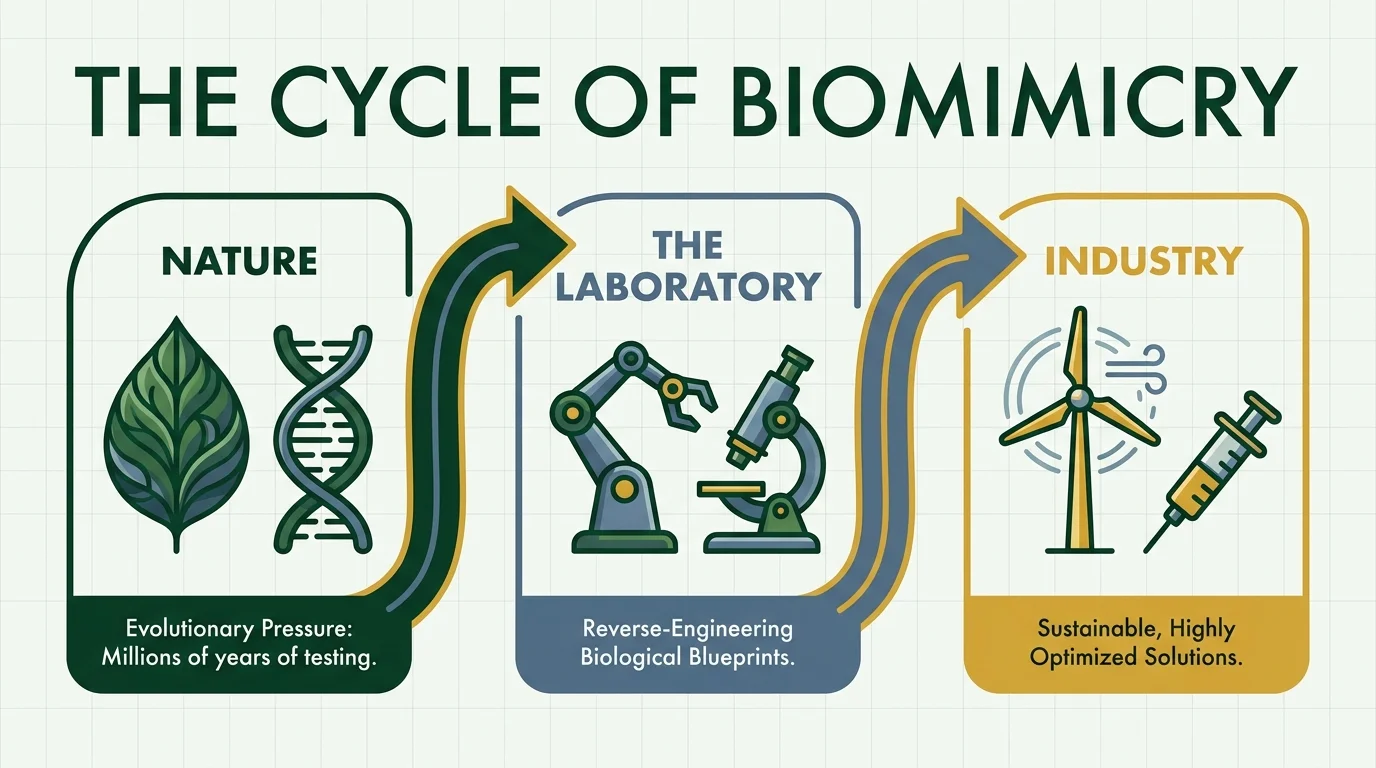
Biomimicry—the practice of learning from and mimicking the strategies found in nature—currently drives a massive technological renaissance. You might think of human engineering as entirely distinct from the biological world; however, evolutionary pressure acts as an uncompromising testing phase that weeds out inefficiencies over millions of years. When scientists replicate animal abilities, they bypass countless iterations of trial and error. The result yields sustainable, highly optimized solutions that solve persistent roadblocks in modern industry.
1. Geckos and the Science of Dry Adhesion
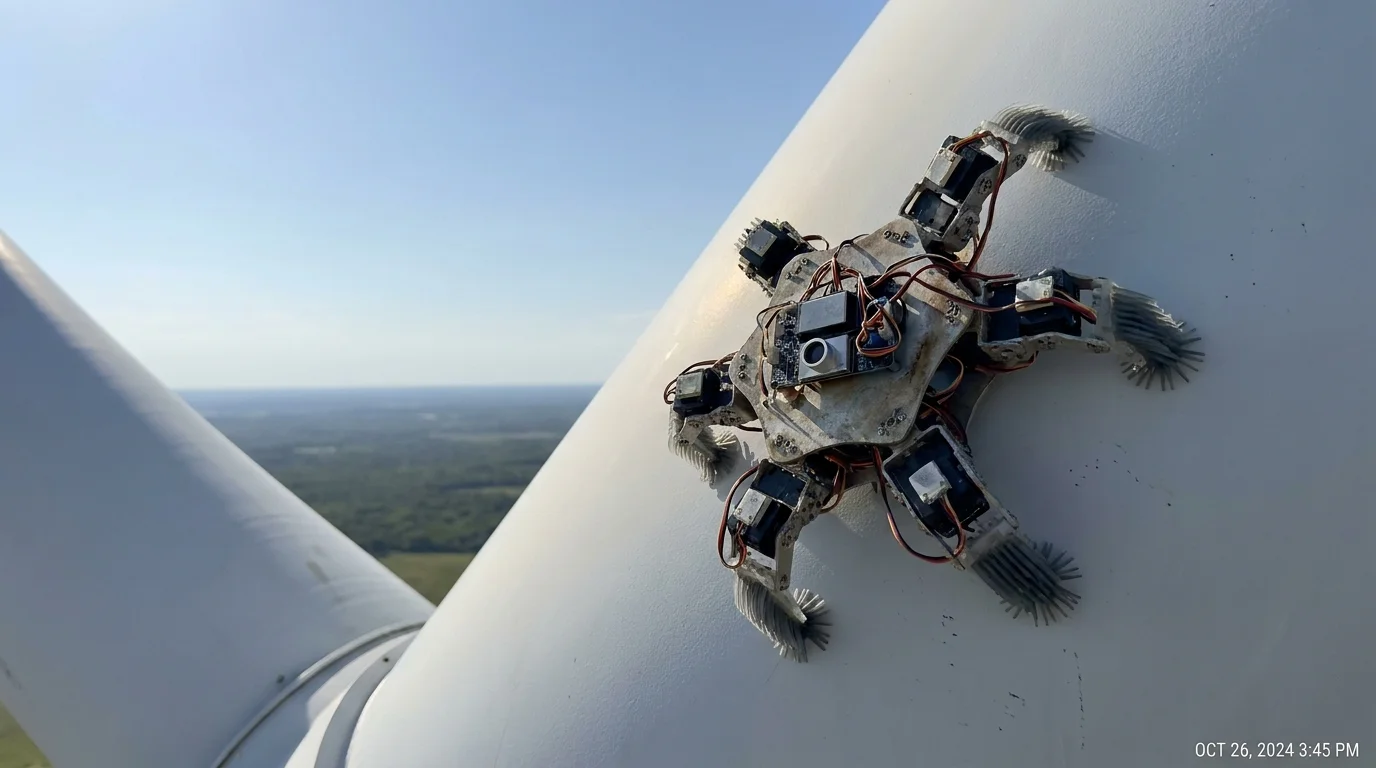
Have you ever watched a gecko effortlessly scurry up a smooth pane of glass? These small reptiles perform this gravity-defying feat using microscopic hair-like structures on their toes called setae. Millions of these setae interact with surfaces at the molecular level, creating weak electrical attractions known as van der Waals forces. When researchers published findings in Science detailing this unique physical mechanism, robotics engineers immediately recognized the transformative potential. By fabricating synthetic setae out of flexible silicone and carbon nanotubes, engineers have developed powerful, reusable adhesives that leave absolutely no chemical residue behind. You can see this technology actively applied today in wall-climbing robots designed to inspect towering wind turbines, and in specialized gripping tools used by astronauts to capture delicate orbital space debris without accidentally pushing it away.
2. Shark Skin for Infection Control and Fuel Efficiency
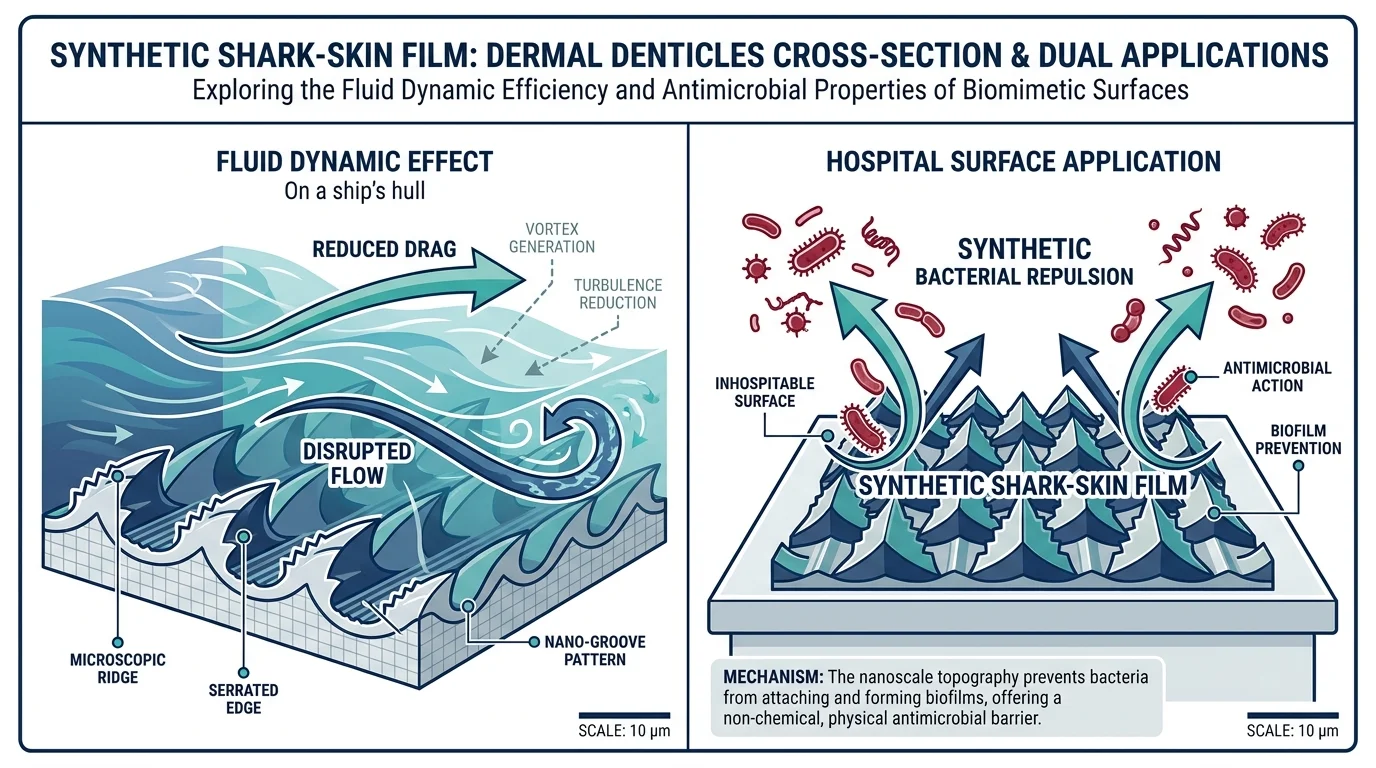
Sharks glide through the dense ocean with remarkable efficiency, largely thanks to dermal denticles—tiny, overlapping, tooth-like scales covering their skin. These microscopic ridges dynamically disrupt fluid flow, significantly reducing drag as the animal swims. As marine biologists documented this fluid dynamic effect, aerospace and naval engineers began coating the steel hulls of massive cargo ships and the wings of commercial aircraft with synthetic shark-skin films. This straightforward physical modification reduces fuel consumption by several percentage points, actively curbing thousands of tons of greenhouse gas emissions annually. Furthermore, these jagged microscopic textures naturally repel bacteria. By applying shark-inspired micro-patterns to hospital surfaces, healthcare administrators physically prevent the dangerous buildup of superbugs without relying on harsh, toxic chemical disinfectants.
3. Woodpeckers Inspiring Concussion Prevention
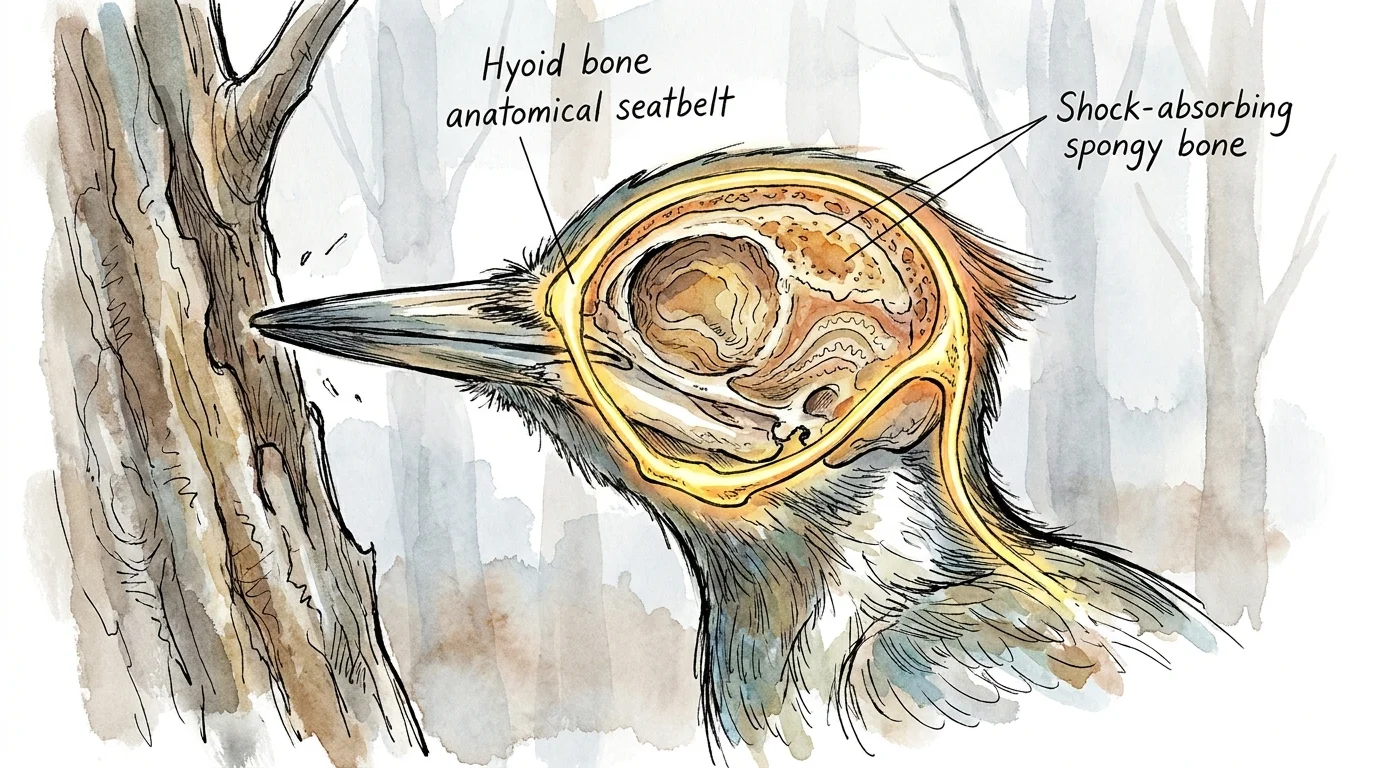
A woodpecker slams its beak into solid timber up to twenty times per second, experiencing sudden deceleration forces that would instantly cause severe traumatic brain injuries in humans. These birds survive this violent daily routine because their skulls feature specific layers of flexible, spongy bone; furthermore, their unique hyoid bone wraps entirely around their skull like a built-in anatomical seatbelt. Materials scientists are translating this remarkable shock-absorbing anatomy directly into next-generation protective gear. By mimicking the distinct micro-structure of woodpecker skulls, modern manufacturers produce safer athletic helmets that drastically reduce concussion risks for professional football and hockey players. You will also find this biomimetic structural design protecting delicate flight recorders inside commercial aircraft, ensuring vital black box data survives catastrophic high-speed impacts.
4. Tardigrades Revolutionizing Vaccine Storage
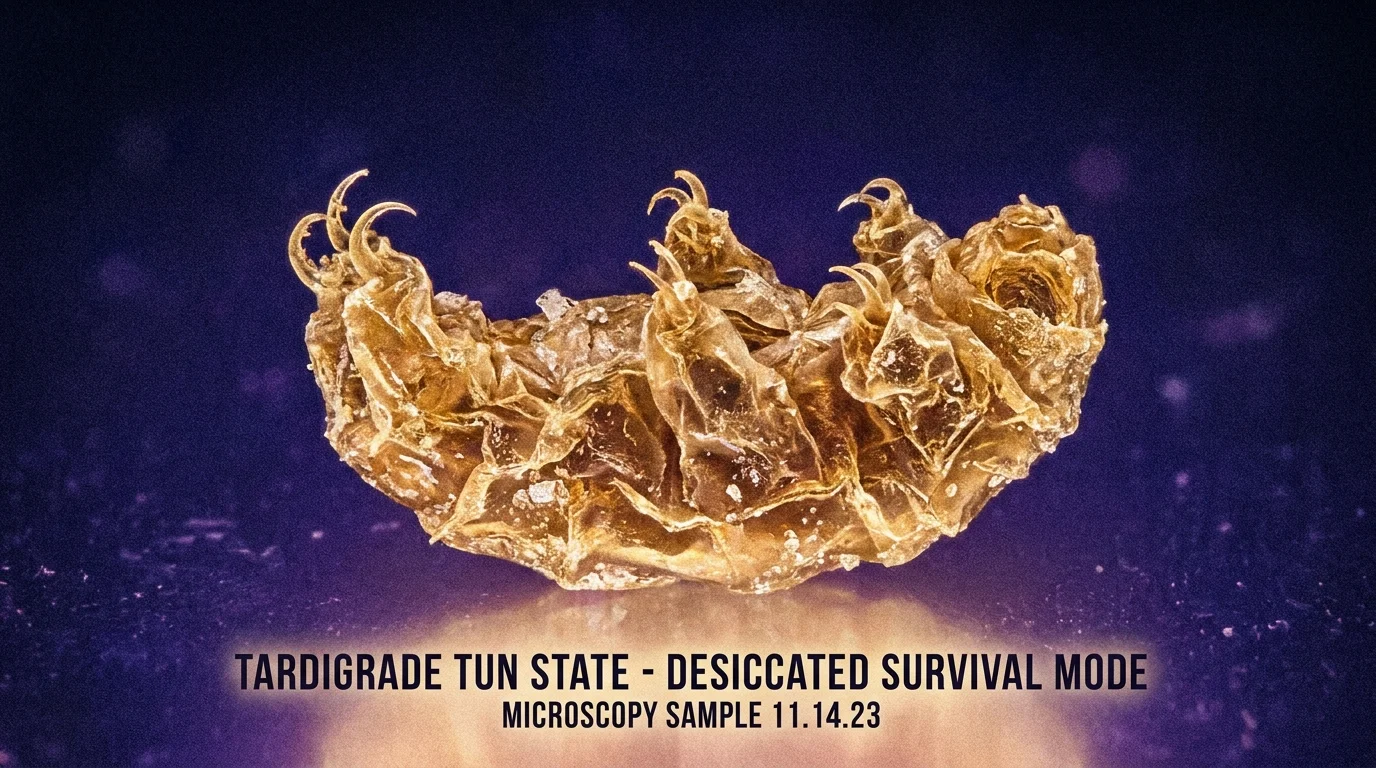
Tardigrades—often affectionately referred to as water bears—can survive lethal doses of radiation, crushing deep-sea pressure, and temperatures dropping near absolute zero. When faced with these lethal environmental conditions, these microscopic extremophiles seamlessly enter a state of suspended animation known as cryptobiosis. They rapidly replace the water inside their cells with specialized intrinsically disordered proteins and sugars that solidify and stabilize their cellular machinery. Medical researchers are currently leveraging studies published in Nature to replicate this cellular stabilizing mechanism for the pharmaceutical industry. By incorporating tardigrade-inspired biological glass into fragile vaccines and vital blood products, scientists eliminate the rigid need for cold-chain storage. This breakthrough means medical professionals can transport life-saving medications to remote, off-grid regions around the globe without relying on continuous electrical refrigeration.
5. The Octopus Blueprint for Soft Robotics
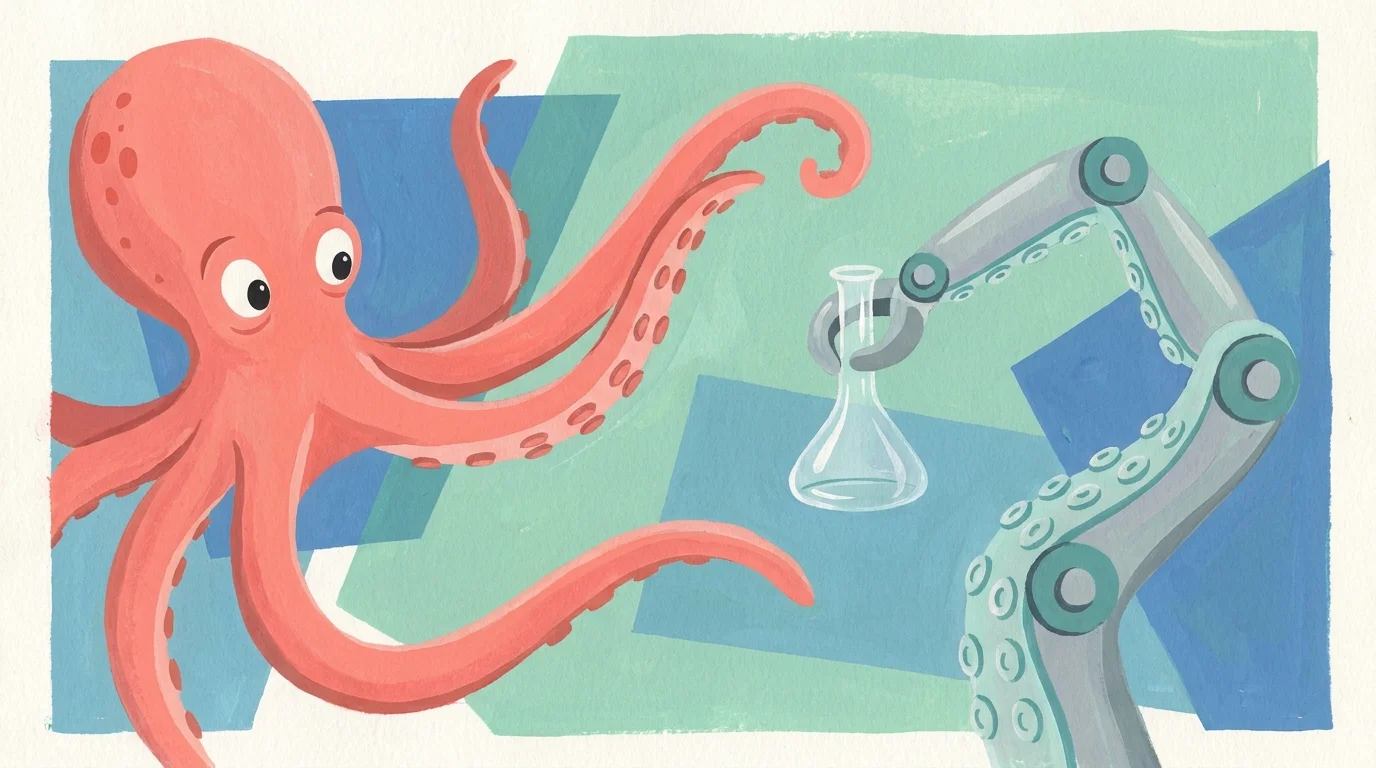
The octopus represents the ultimate biological inspiration for the emerging field of soft robotics. Lacking a rigid internal skeleton, this highly intelligent cephalopod can squeeze through impossibly tight crevices and manipulate objects with extraordinary precision using flexible, muscle-driven hydrostatic structures. Traditional industrial robots rely on rigid metal joints and heavy electromagnetic motors; this rigid design makes them inherently dangerous to operate near humans and entirely useless in delicate, unpredictable environments. Today, cutting-edge engineers build silicone-based soft robots actuated by compressed air and smart fluids, directly mimicking the fluid movements of octopus tentacles. Surgeons utilize these highly flexible robotic appendages to navigate deep inside the human body during minimally invasive surgical procedures, allowing them to gently manipulate fragile internal organs without causing unintentional tissue damage.
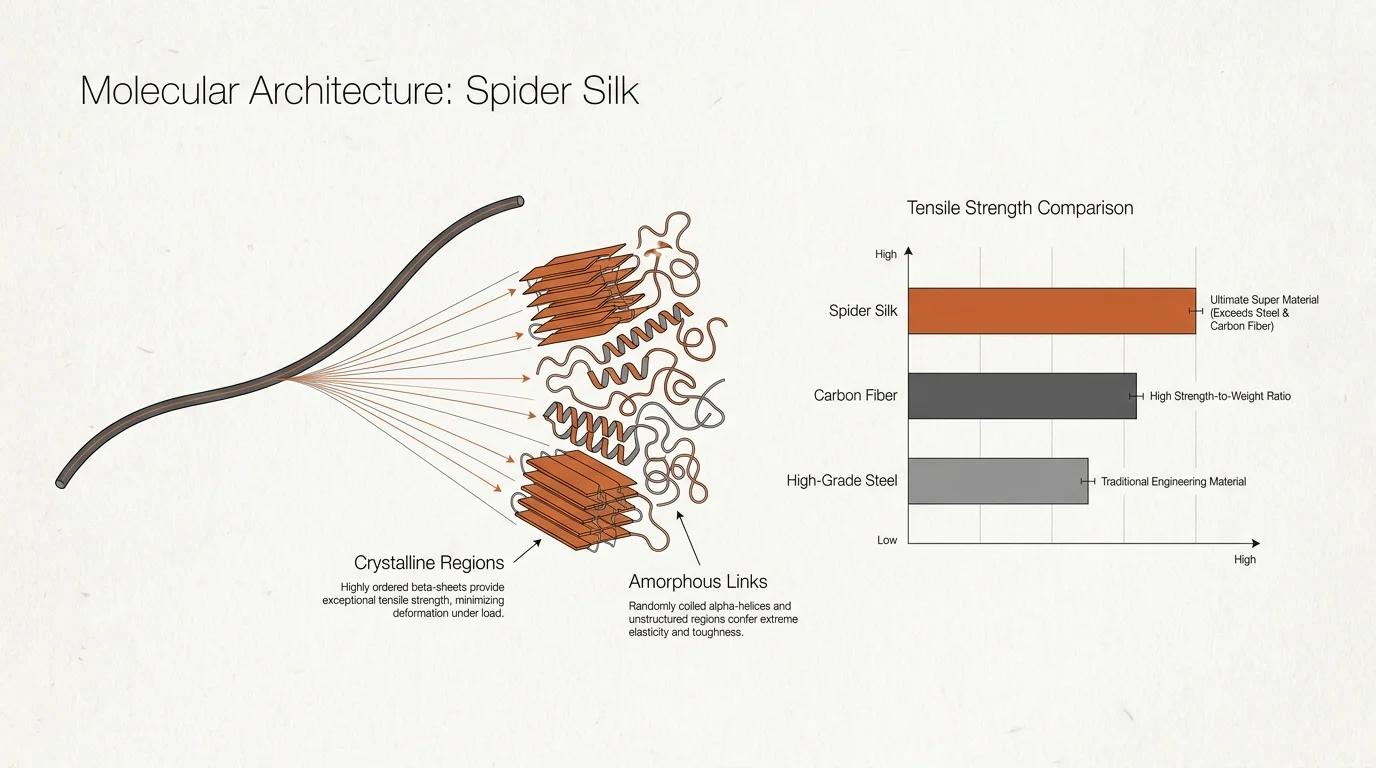
6. Spider Silk as the Ultimate Super Material
Pound for pound, spider silk is significantly stronger than industrial steel and dramatically tougher than synthetic Kevlar, yet it remains incredibly lightweight and fully biodegradable. Because spiders are highly territorial and cannibalistic, farming them for mass silk production remains practically impossible. To overcome this logistical hurdle, geneticists successfully mapped the exact DNA sequences responsible for dragline silk production. By inserting these specific genes into engineered yeast and harmless bacteria, commercial laboratories now brew synthetic spider silk in large fermentation tanks—a process remarkably similar to how local breweries produce beer. As this manufacturing process scales globally, you will soon wear bio-engineered clothing that resists tearing and natural wear. In the medical field, synthetic spider silk provides highly biocompatible artificial tendons and self-dissolving surgical sutures that actively promote rapid wound healing.
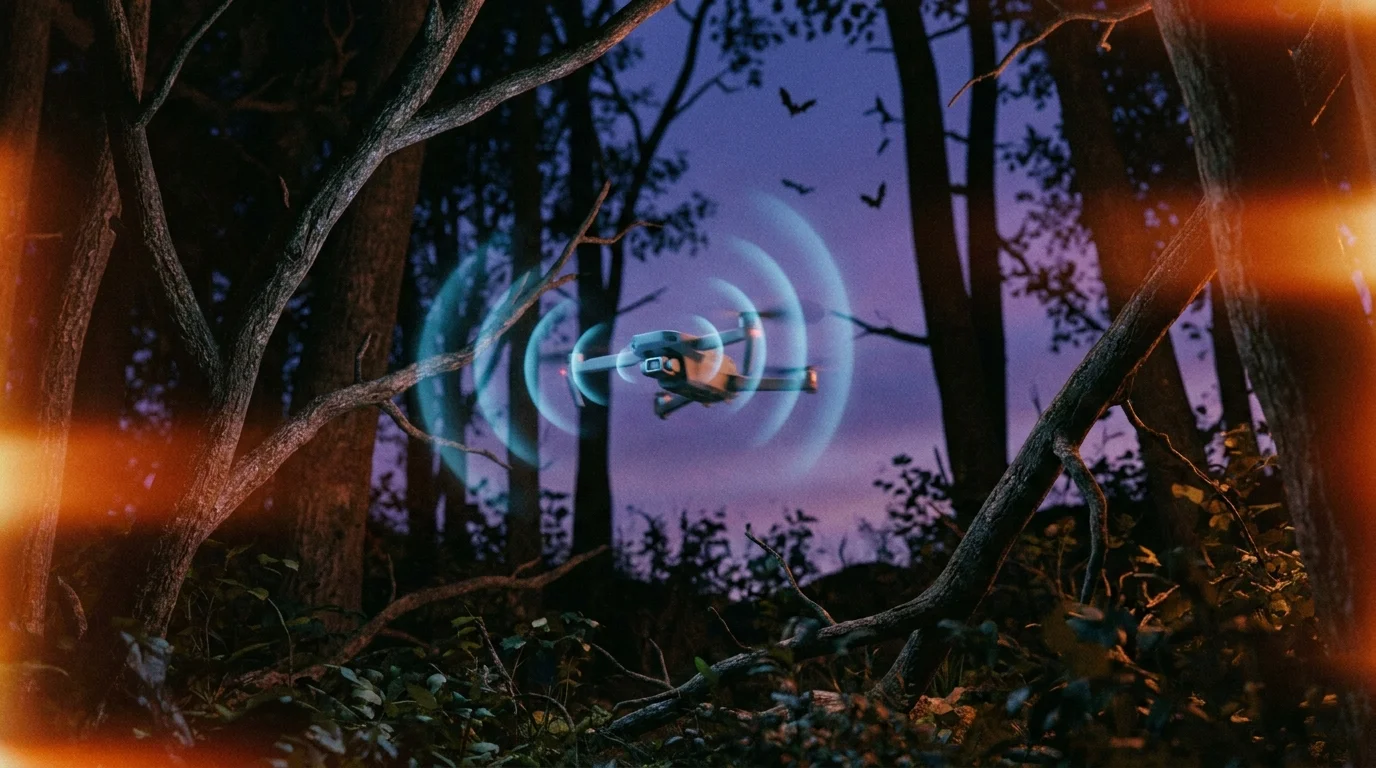
7. Bats Guiding Autonomous Drone Navigation
When a bat navigates through a dense forest in the dead of night, it relies entirely on its mastery of echolocation. By emitting rapid ultrasonic chirps and processing the returning acoustic echoes, the bat constructs a high-resolution, three-dimensional map of its complex surroundings. Traditional autonomous drones depend heavily on external GPS signals and optical cameras, which fail dramatically in dark, smoky, or highly confined environments. By outfitting small drones with miniature sonar emitters and bio-inspired artificial intelligence algorithms, engineers successfully replicate this bat navigation capability. Rescue teams currently deploy these advanced sonar-equipped drones into structurally compromised buildings and deep underground cave networks, allowing the autonomous flyers to rapidly locate trapped human survivors without ever needing a light source or an active satellite connection.
Global Impact: How Bio-Inspired Tech Shapes Human Society
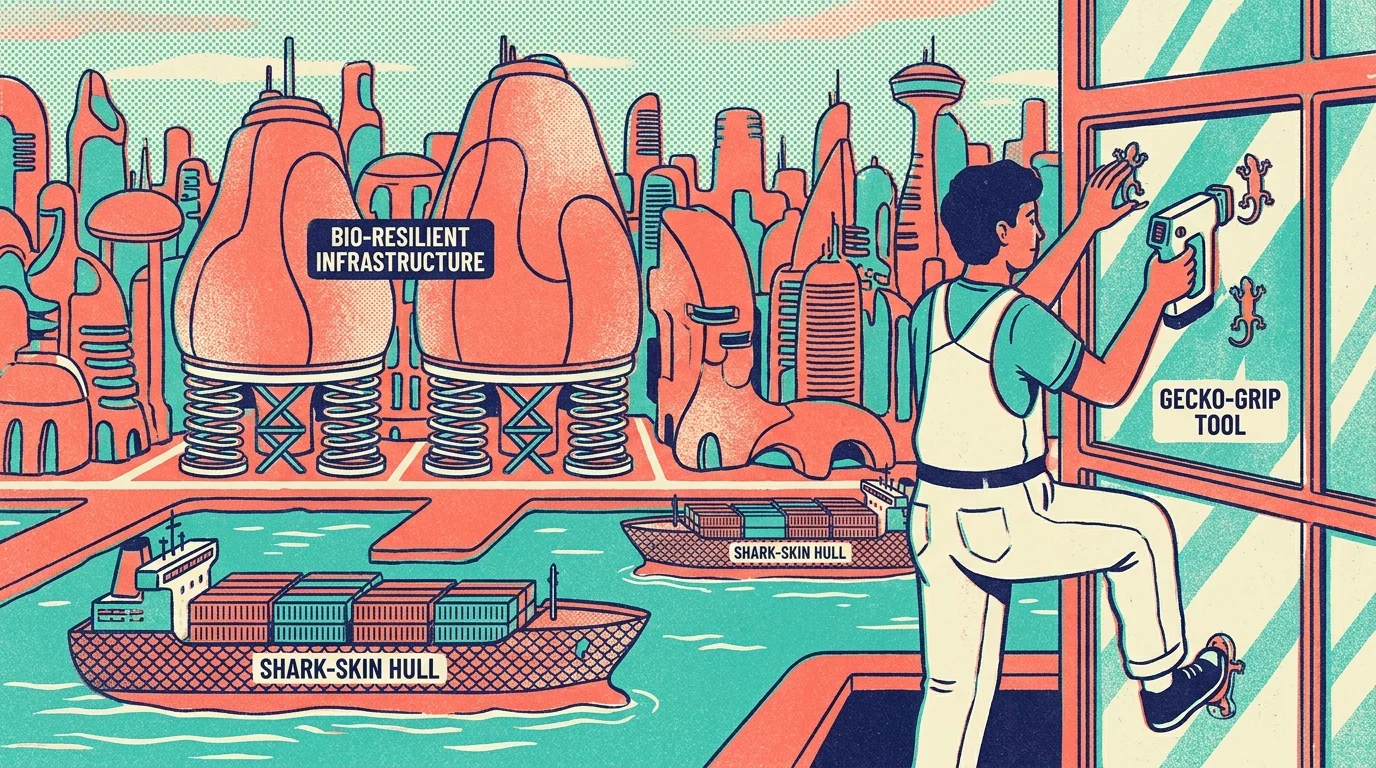
The integration of animal abilities into human technology reaches far beyond laboratory curiosities; it actively reshapes global infrastructure and essential public health networks. As volatile climate change strains our aging power grids, achieving extreme energy efficiency becomes a paramount global objective. When major naval fleets and international airlines adopt drag-reducing surfaces inspired by marine predators, global fossil fuel consumption drops dramatically. Similarly, applying nature’s resilient adhesive and structural blueprints to heavy industry dramatically extends the operational lifespan of our machines, minimizing industrial manufacturing waste across continents.
In the developing world, the tangible impact of biomimicry takes on a profound humanitarian focus. The emerging ability to preserve biological medicines at room temperature using extremophile chemistry directly combats the complex logistical nightmare of vaccine distribution defined by World Health Organization guidelines in tropical climates. Millions of people living in remote areas with unreliable electricity stand to benefit from stable medications that no longer require a constant deep-freeze. By directly translating ancient evolutionary adaptations into highly practical engineering, the global scientific community actively dismantles some of the most persistent systemic barriers to modernizing healthcare and expanding sustainable transportation.
Voices from the Field: Experts Weigh In
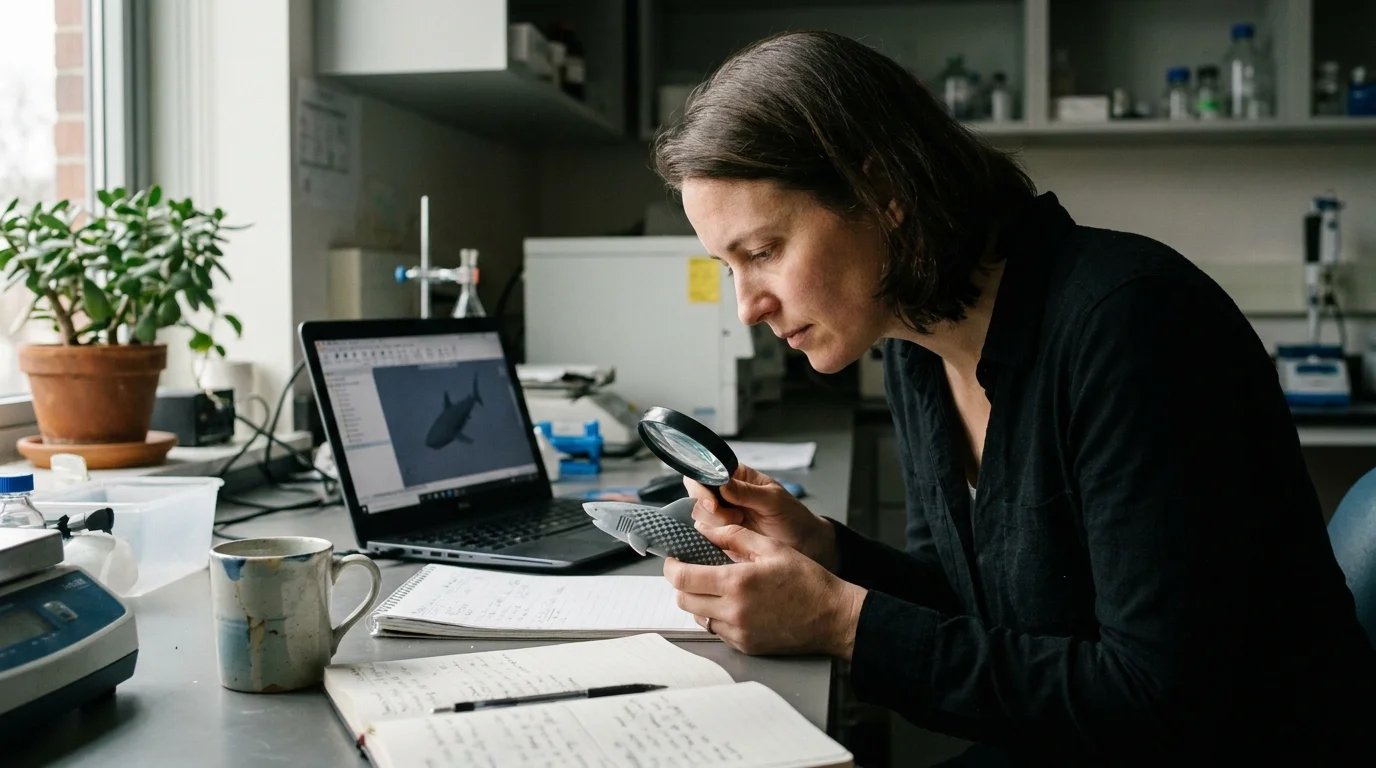
Understanding the vast potential of these technologies requires listening to the specialized researchers who bridge the complex gap between biology and engineering. Materials scientists frequently emphasize that nature acts as the greatest research and development laboratory in the known universe. Researchers involved in bio-inspired design strongly argue that humanity spent centuries trying to forcefully conquer the natural world, rather than humbly learning from its elegant solutions. As a robotics pioneer recently noted during a technology briefing hosted by NASA, when modern engineers face a seemingly impossible design challenge, there is a very high probability that an animal has already solved it millions of years ago.
Marine biologists collaborating directly with industrial designers share a remarkably similar sentiment. They stress that true biomimicry is never merely copying the physical shape of an animal; rather, it requires deeply understanding the underlying physics and complex chemistry of its specific adaptations. Policy makers operating in the environmental sector also champion this multidisciplinary approach. They observe that as global industries gradually adopt sustainable, biologically inspired manufacturing processes, human societies naturally reduce their heavy reliance on toxic chemical solvents and non-renewable natural resources.
Frequently Asked Questions About Biomimicry
What exactly is biomimicry?
Biomimicry is the formal scientific practice of studying natural models, biological systems, and elements to solve complex human engineering problems. Instead of treating nature merely as a raw resource to harvest, biomimicry treats the natural world as an experienced mentor. You can clearly see this discipline in action whenever aeronautical engineers look at how a predatory bird shapes its wings to improve airplane aerodynamics, or when chemists study how a lotus leaf repels water to create advanced self-cleaning fabrics.
Why has it taken so long to replicate these animal abilities?
Although humans have observed these incredible animal traits for countless centuries, we simply lacked the technological sophistication required to understand and reproduce them accurately. Unlocking the molecular secrets of gecko adhesion or the protein structure of spider silk required the invention of powerful electron microscopes and highly advanced genetic sequencing tools. Now that researchers possess nanotechnology and sophisticated bio-engineering platforms, scientists can accurately map and precisely manufacture these complex micro-structures at a viable commercial scale.
Are real animals harmed in the development of these technologies?
The primary goal of modern biomimetic technology centers entirely on observation and digital simulation, not physical extraction. Dedicated researchers non-invasively study the animals, meticulously map their genetics, and closely analyze their physical structures; however, the actual commercial products rely entirely on abundant synthetic materials. For example, commercial synthetic silk utilizes engineered yeast, and synthetic gecko tape relies entirely on common silicone. Modern biomimicry actively protects global biodiversity by continuously demonstrating the immense intrinsic value of keeping rare species alive to study their unique evolutionary traits.
Will bio-inspired technology make traditional electronics obsolete?
Bio-inspired engineering will not completely replace silicon microchips or heavy metal machinery; rather, it will fundamentally upgrade how these traditional components interact with the physical world. You will likely see advanced hybrid systems emerge where traditional computing power seamlessly merges with bio-inspired tactile sensors and highly adaptive soft robotic manipulators. This structural fusion directly allows our current technology to operate more safely, sustainably, and efficiently in harsh environments that previously caused rigid traditional electronics to fail catastrophically.
Looking Ahead: The Next Generation of Bio-Inspired Technology
As we confidently stand on the precipice of a bio-industrial revolution, the next major frontier involves directly combining artificial intelligence with biomimetic design principles. Machine learning algorithms currently analyze massive global databases of animal physiology, rapidly identifying brand new biological mechanisms that human researchers might easily overlook. You can expect upcoming clinical trials to rigorously test bio-inspired synthetic blood substitutes and implantable medical devices that seamlessly integrate with your body’s complex immune system. Furthermore, international space agencies currently design autonomous rovers equipped with resilient gecko-inspired adhesives and dynamic bat-inspired navigation systems to explore the jagged, lightless craters of the Moon and Mars.
Despite these remarkable recent advancements, prominent scientists estimate we have only successfully cataloged a tiny fraction of the biological wonders hidden deep within our diverse ecosystems. Every single time a threatened rainforest receives protection or a previously inaccessible deep-sea trench gets explored, humanity gains vital access to a fresh, untapped library of evolutionary blueprints. By continuing to carefully observe, deeply respect, and precisely replicate the incredible abilities of wild animals, you will witness the dawn of a technological era where human engineering works in perfect, sustainable harmony with the natural world.