Your leftover lemon peels hold untapped potential as potent antimicrobial agents, natural solvents, and raw materials for next-generation bioplastics. While you likely value this citrus fruit for its culinary brightness, its chemical profile—rich in citric acid, d-limonene, and complex pectins—makes it a highly effective household tool and an emerging powerhouse in sustainable environmental engineering. Researchers globally are dissecting the molecular structure of lemons to solve complex sanitation and materials challenges. By understanding the underlying science of these chemical interactions, you can leverage simple lemons to safely disinfect surfaces, neutralize odors, and even purify drinking water, transforming a common kitchen staple into an indispensable component of your daily scientific toolkit.
The Molecular Mechanics of Citrus
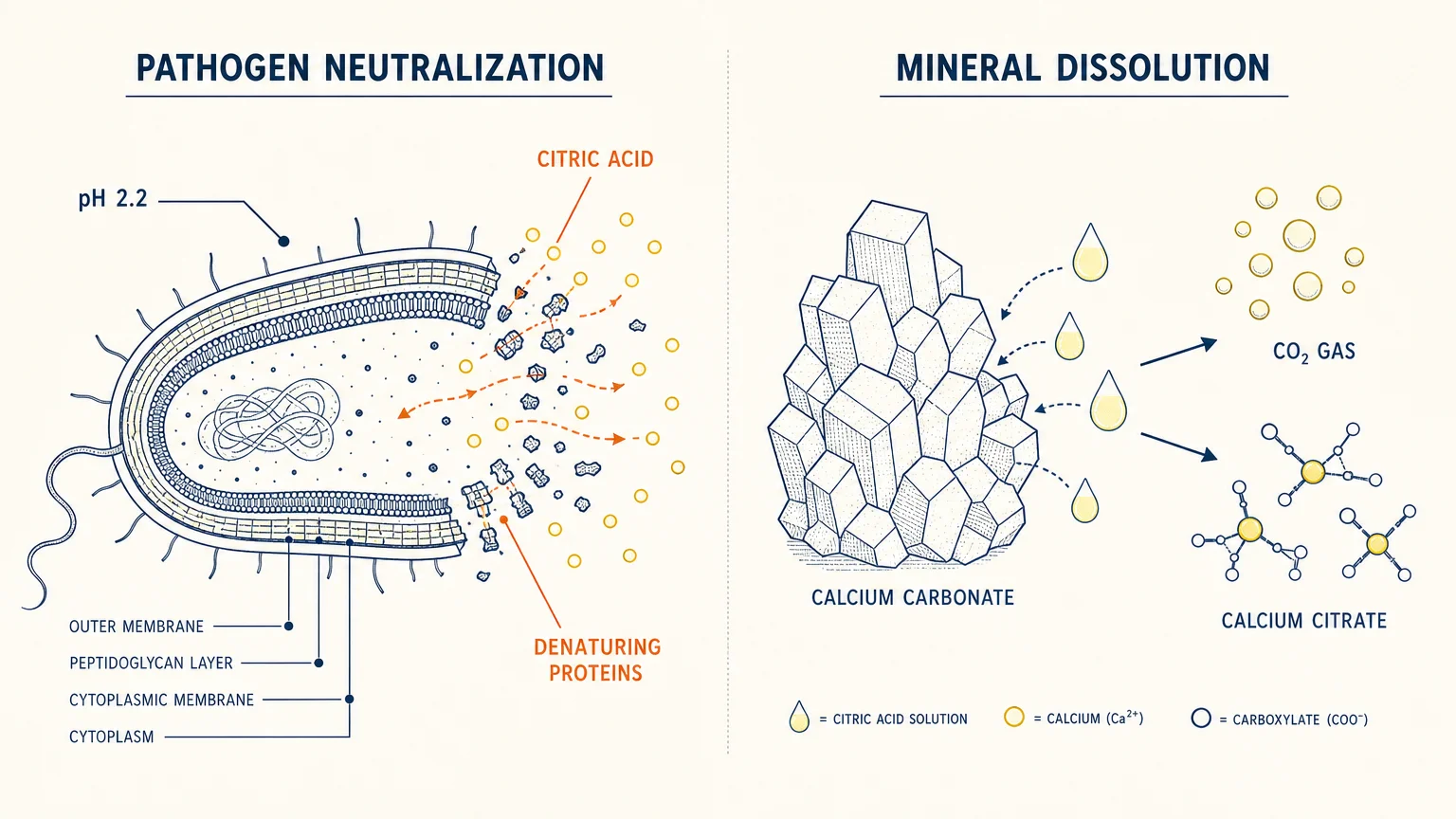
To understand why a simple fruit commands such wide-ranging utility, you must examine the specific chemistry occurring beneath its porous rind. The primary engine driving a lemon’s utility is citric acid, a weak organic acid that constitutes up to eight percent of the fruit’s dry weight. This high concentration of acid drops the pH of lemon juice to approximately 2.2, creating an environment intensely hostile to most household pathogens. When you apply lemon juice to a cutting board or a kitchen countertop, you initiate a brutal osmotic and structural assault on microscopic invaders. The acidic environment actively denatures the critical proteins comprising bacterial cell walls, stripping these organisms of their protective barriers. Researchers publishing peer-reviewed studies detailing the antibacterial mechanisms of natural plant extracts repeatedly demonstrate that sustained exposure to citric acid significantly reduces populations of common household microbes like Escherichia coli and Salmonella. You can harness this mechanism by swabbing high-touch surfaces with pure lemon juice and allowing the liquid to rest for ten minutes, giving the acid sufficient time to compromise the bacterial defenses before you wipe the surface clean.
Beyond destroying microbes, that same citric acid performs remarkable chemical engineering when deployed against stubbornly hard mineral deposits. If you live in an area with hard water, you constantly battle calcium carbonate—the chalky, alkaline residue that clogs your showerheads and crusts over your faucets. Because calcium carbonate acts as a base, it reacts aggressively with citric acid. When you introduce lemon juice to these mineral stains, the acid donates hydrogen ions to the carbonate, triggering a rapid chemical reaction that transforms the solid crust into calcium citrate, water, and carbon dioxide gas. You can hear this reaction as a faint fizzing sound. To execute this decalcification practically, submerge a heavily scaled showerhead in a warm bath of lemon juice for an hour; the chemical reaction dissolves the physical blockages at the molecular level, restoring your water pressure without requiring abrasive scrubbing tools that might damage the metal finish.
Transforming Global Water Safety and Air Quality
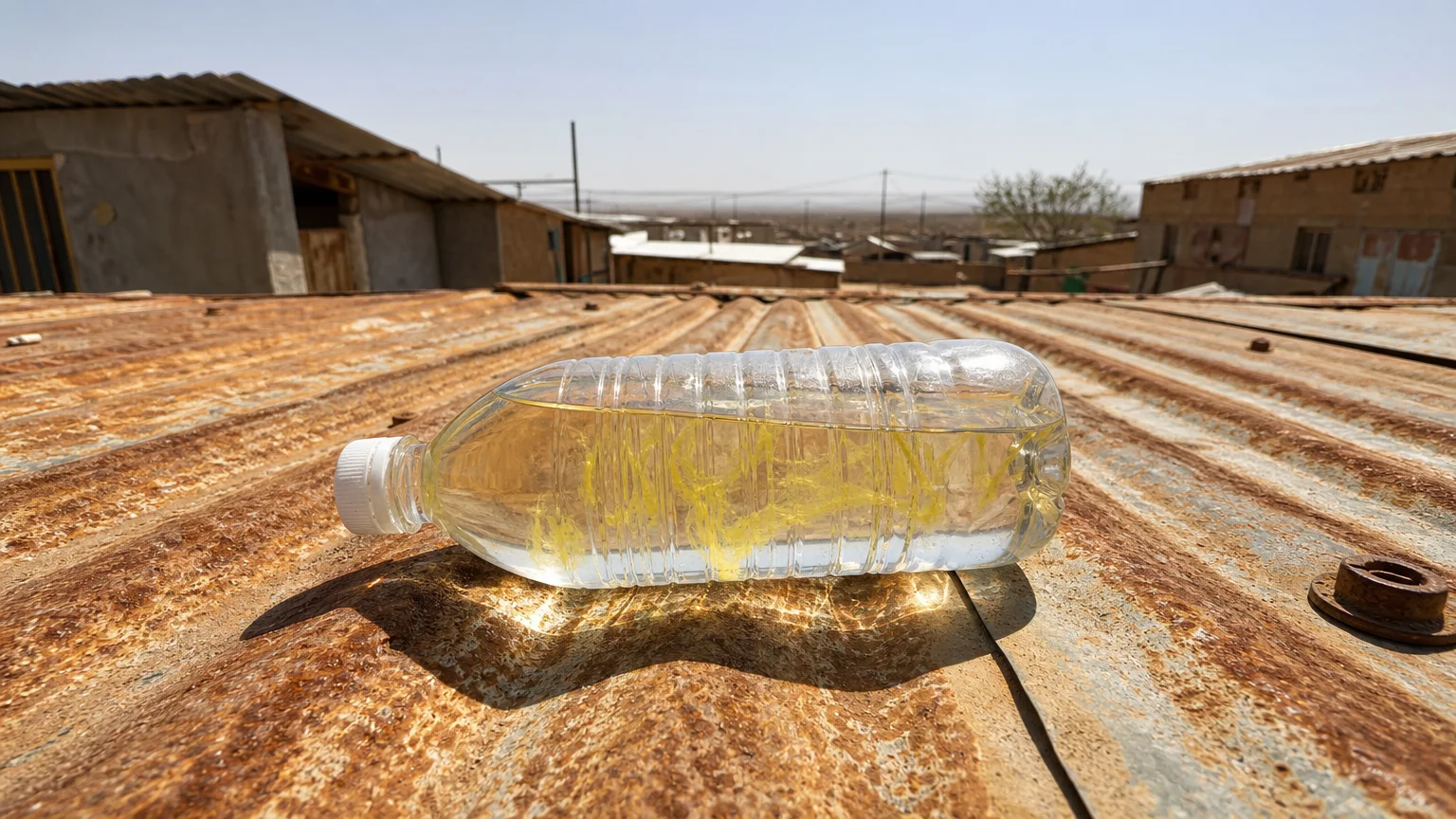
While dissolving hard water stains improves domestic life, environmental engineers deploy the chemical properties of lemons to save lives in resource-scarce environments. Solar Water Disinfection, commonly abbreviated as SODIS, represents a crucial water purification strategy endorsed by global health authorities for developing regions. The standard SODIS method involves filling clear polyethylene terephthalate water bottles with biologically contaminated water and leaving them in direct sunlight. The ultraviolet-A radiation gradually destroys pathogen DNA. However, researchers discovered that adding just a few drops of lemon juice to the water accelerates this purification process dramatically. Lemons contain organic compounds known as psoralens. When exposed to sunlight, psoralens violently interact with the genetic material of bacteria, binding tightly to their DNA strands and preventing the pathogens from replicating. Furthermore, the mild reduction in the water’s pH creates a synergistic effect that makes bacterial membranes far more susceptible to solar damage. By understanding these recent environmental engineering analyses, you can enhance your own emergency preparedness kits, utilizing lemon juice to chemically expedite the process of solar water purification during severe weather emergencies or power grid failures.
The chemical utility of lemons also extends aggressively into the air you breathe, offering a highly effective mechanism for neutralizing volatile organic compounds. When you cook seafood or accidentally burn organic matter, your kitchen fills with volatile amines—chemical bases that vaporize easily and bind to the olfactory receptors in your nose. Commercial air fresheners attempt to mask these amines with synthetic perfumes, creating a confusing and often unpleasant mixture of smells. Lemons, however, actively destroy the airborne odor compounds. Because amines act as bases, the vaporized citric acid and d-limonene released when you heat lemon rinds act as proton donors. The acid molecules transfer a proton to the offending amine molecule, instantly converting the volatile gas into a heavy, non-volatile ammonium salt. This newly formed salt cannot float through the air or enter your nasal passages. You can engineer this exact chemical reaction in your kitchen by dropping leftover lemon peels into a simmering pot of water; the rising steam carries the acidic compounds directly into the air, systematically neutralizing the odors at their chemical source.
Engineering Sustainable Materials and Agricultural Solutions
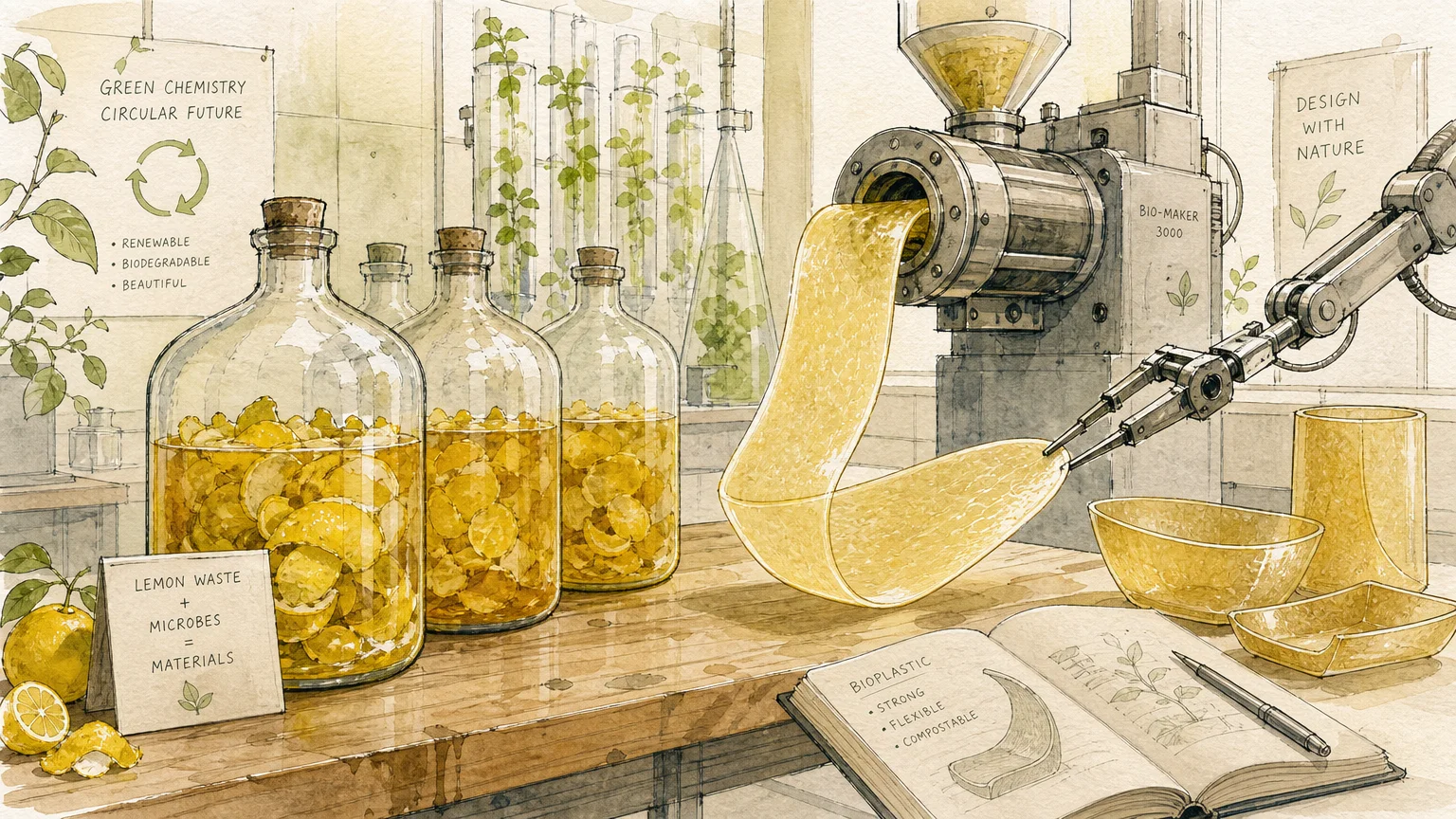
Industrial manufacturing heavily relies on petroleum-derived plastics, but materials scientists now recognize citrus waste as a critical resource for creating biodegradable alternatives. The global juice industry generates millions of tons of discarded lemon peels annually, prompting researchers to extract the complex polysaccharides locked inside the rind. The most valuable of these is pectin, a structural acid that gives plant cell walls their rigidity. By isolating pectin and combining it with natural plasticizers like glycerol, scientists successfully cast durable, transparent bioplastic films. These natural polymers break down entirely in commercial composting facilities, presenting a stark contrast to microplastic-shedding synthetic materials. While published materials science reports focus on scaling this technology for industrial packaging, you participate in this cycle directly when you route your household lemon waste to municipal composting programs rather than landfills, feeding the precise supply chains researchers require for sustainable material development.
The agricultural sector also harnesses the specific solvent properties of lemons to combat crop-destroying insects without relying on toxic synthetic chemicals. The thick rind of a lemon stores immense quantities of essential oils, heavily dominated by a cyclic monoterpene known as d-limonene. This hydrocarbon acts as an aggressive, non-polar solvent. When applied to soft-bodied pests like aphids, spider mites, or mealybugs, the d-limonene instantly dissolves the protective waxy epicuticle coating the insect’s exoskeleton. Stripped of this waterproof barrier, the insect rapidly loses its internal moisture and perishes. Regulatory bodies frequently cite environmental protection agency documentation validating the efficacy and safety of limonene-based biopesticides. You can formulate a botanical insecticide at home by steeping heavily scored lemon peels in hot water overnight, straining the liquid, and applying it directly to infested house plants. This targeted intervention disrupts the mechanical structure of the pests while remaining entirely safe for indoor use and domestic pets.
Beneath the ground, lemons provide an unexpected advantage in the field of soil remediation. Urban gardens and post-industrial landscapes often suffer from heavy metal contamination, trapping dangerous elements like lead and cadmium in the soil matrix. Environmental scientists utilize citric acid as a powerful chelating agent—a molecule capable of wrapping around heavy metal ions and pulling them into a soluble state. During a process known as phytoextraction, researchers introduce dilute citric acid to contaminated earth, freeing the heavy metals from the soil particles so that specialized, fast-growing plants can absorb them through their root systems. The plants are then safely harvested and disposed of, gradually purifying the land. Environmental remediation journals increasingly highlight these organic acids as safer alternatives to synthetic chelating agents, which can persist dangerously in the water table. If you manage an urban garden with heavy, alkaline clay, incorporating highly acidic citrus compost gently enhances the solubility and mobility of essential trace nutrients like iron and zinc, facilitating healthier root uptake for your vegetables.

Expert Perspectives on Citrus Utilization
The transition of the lemon from a culinary afterthought to an industrial resource continues to draw intense focus from the scientific community. Dr. Elena Rostova, a researcher specializing in sustainable materials engineering, emphasizes the sheer scale of the opportunity. “When we examine the global citrus processing industry, we do not merely see agricultural waste; we see millions of tons of biological raw material containing powerful chelating agents and sophisticated natural polymers waiting for extraction,” she notes. This perspective fundamentally shifts how municipalities treat organic waste.
Similarly, public health engineers working on off-grid sanitation infrastructure view the chemical profile of lemons as a tactical asset. Marcus Vance, a field director for global water initiatives, highlights the practical advantages of citrus in emergency zones. “Synthesizing and transporting water purification chemicals to disaster areas takes time we often do not have,” Vance explains. “Teaching communities that the localized addition of citrus can drastically reduce the ultraviolet exposure time needed to neutralize pathogens gives them immediate, actionable control over their own public health outcomes.”
Frequently Asked Questions
Can lemon juice completely replace commercial chemical disinfectants?
You cannot entirely replace heavy-duty chemical disinfectants with lemon juice when dealing with severe biological threats. While citric acid excels at denaturing the proteins of many common household bacteria, it does not achieve the rapid, broad-spectrum log-kill rate required to neutralize aggressive viral pathogens or dangerous cross-contamination from raw poultry. Lemon juice serves excellently for daily surface maintenance and suppressing microbial growth, but you should still rely on standardized, registered disinfectants for sanitation events involving raw meat or infectious illnesses.
How does the acidity of lemons affect household surfaces over time?
You must exercise severe caution when applying lemon juice to certain architectural materials, particularly natural stone. Because citric acid chemically attacks calcium carbonate, it aggressively degrades unsealed marble, travertine, and limestone countertops. This chemical reaction results in permanent etching, a process where the acid eats away the polished surface layer of the stone, leaving dull, white marks. Conversely, the acid perfectly complements non-porous surfaces like stainless steel, glass, and glazed porcelain, where it dissolves biological and mineral buildup without reacting with the underlying material.
Is it possible to extract useful lemon compounds efficiently at home?
You can effectively extract high concentrations of d-limonene in your kitchen using simple solvent extraction principles. Because d-limonene is a non-polar hydrocarbon, it resists mixing with water but dissolves readily in alcohol. By packing a glass jar tightly with clean lemon peels and submerging them in a high-proof grain alcohol for several weeks, you allow the alcohol to pull the essential oils out of the cellular matrix of the rind. Once strained, this citrus-infused alcohol becomes a phenomenally powerful, biologically derived degreasing solvent capable of dissolving heavy industrial adhesives and mechanical grease.
Do all citrus fruits offer the same scientific benefits as lemons?
Not all citrus fruits contain the necessary chemical concentrations to achieve these results. Limes share a nearly identical pH and citric acid concentration with lemons, making them entirely interchangeable for mineral dissolution and water purification enhancement. However, oranges and grapefruits possess significantly lower concentrations of citric acid and higher sugar contents. If you attempt to clean a showerhead or disinfect a cutting board with an orange, the reduced acidity will fail to compromise bacterial cell walls, and the high sugar residue will actively attract new bacterial growth and insect pests.
The Forward Look in Citrus Innovation
The applications for citrus-derived chemistry continue to expand rapidly into advanced technological sectors. Upcoming trials in the recycling industry focus on utilizing concentrated citric acid to safely leach precious metals—like cobalt and lithium—from spent electric vehicle batteries. This organic leaching process aims to replace the highly toxic inorganic acids currently required to separate battery components, potentially revolutionizing the safety and environmental impact of renewable energy storage.
Simultaneously, aerospace agencies actively evaluate bio-polymers extracted from agricultural waste, including pectin from lemon rinds, as potential feedstocks for 3D-printing habitats on extended space missions. The ability to grow food and immediately convert the resulting biological waste into structural materials represents a closed-loop system vital for interplanetary survival. As researchers continue mapping the intricate chemical boundaries of this seemingly simple fruit, you will increasingly find the molecules native to the lemon quietly powering the next generation of sustainable technology, green agriculture, and advanced material science.